Russia Requires Crypto Miners to Report Network Addresses Starting May 30
From May 30, Russian crypto miners must disclose network address data to regulators, aiming to curb unregistered mining and improve electricity consumption tracking.
TL;DR
Starting May 30, Russian crypto miners must submit network address data to regulators, aiming to curb unregistered operations and better track electricity use.
Context
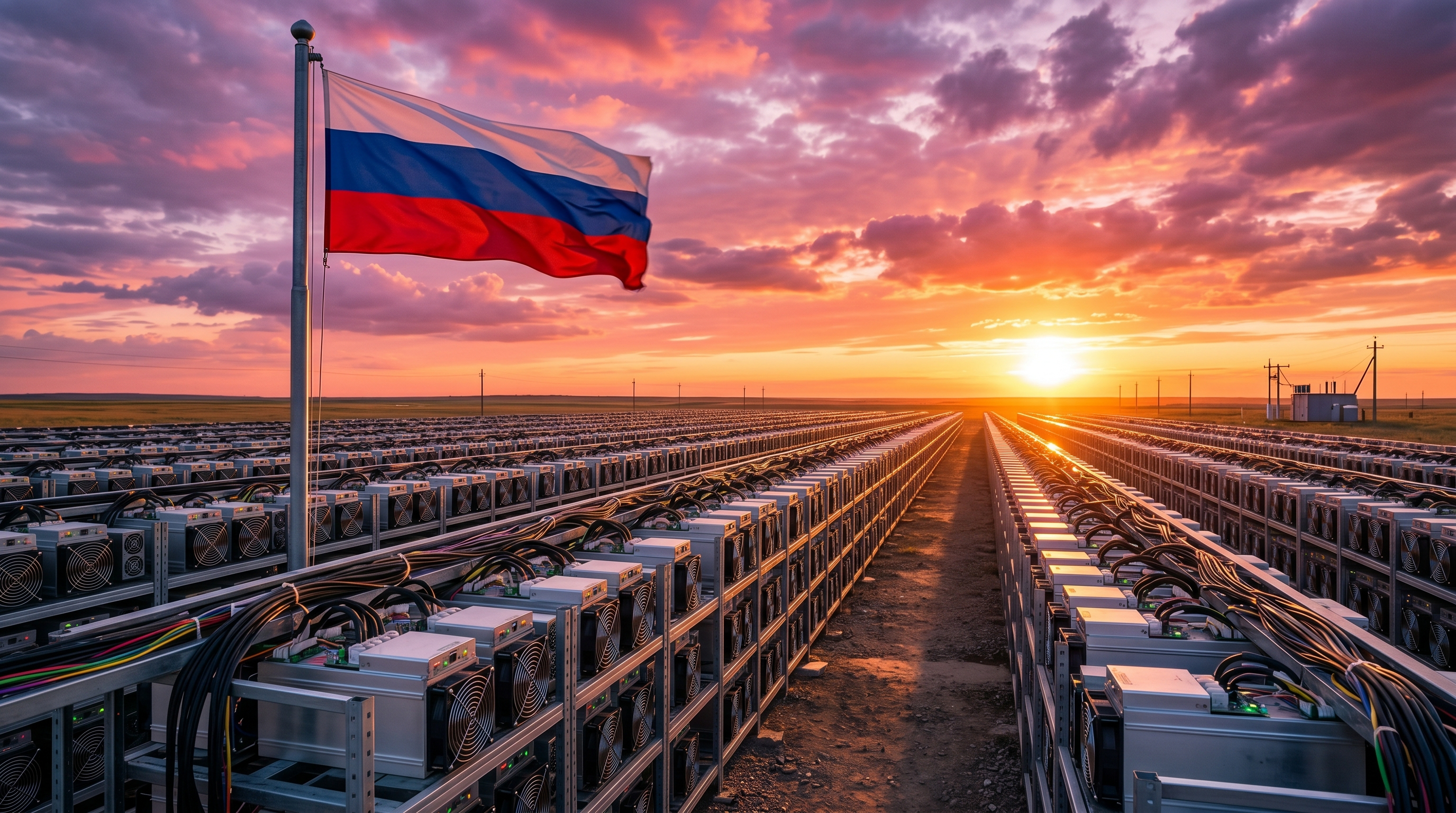
Russia has been tightening oversight of its digital asset sector as industrial-scale mining strains regional power grids. The government introduced Decree No. 556, which expands existing registration requirements to include technical identifiers such as IP addresses and network endpoints. By linking a miner’s legal identity to its energy connection point and online activity, authorities hope to create a clearer picture of who is consuming electricity and where.
Key Facts
Beginning May 30, all registered crypto miners and mining infrastructure operators in Russia must report their network address data to the relevant regulator. This requirement applies to both large facilities and smaller operators that currently hold a license. The rule is part of a broader effort to match operational activity with official registrations.
Crypto mining in Russia consumes an estimated 16 billion kilowatt-hours of electricity each year, which represents about 1.5 % of the nation’s total power consumption. This figure highlights the sector’s sizable footprint on the national grid, especially in regions where mining clusters have grown rapidly.
Unregistered miners face heightened enforcement risk because authorities can now cross‑check the reported network addresses with electricity usage records and tax filings. Discrepancies between declared power consumption and actual network activity may trigger investigations, fines, or forced shutdowns.
What It Means
The new reporting rule gives Russian regulators a concrete tool to detect undeclared mining operations and to verify that licensed miners are not underreporting their energy use. For compliant businesses, the change adds an administrative step but also reduces the competitive advantage of those operating outside the system. Energy providers may benefit from more accurate load forecasting as they gain visibility into mining‑related demand.
Looking ahead, market participants will watch how quickly the regulator publishes the first batch of network address data and whether enforcement actions increase in the months following May 30. Any shifts in mining geography or changes in electricity tariffs could signal the policy’s impact on the industry’s structure.
Continue reading
More in this thread
Meta Lays Off 8,000 Workers, Commits to No More 2026 Layoffs While Doubling AI Capital Spend
Elena Voss
South Korea Growth Forecast Rises to 2.6% on Semiconductor Surge, Inflation Stays Near 2.6%
Elena Voss
UK’s Second‑Job Workforce Swells to 1.3 Million as Beauty Costs Surge
Elena Voss
Conversation
Reader notes
Loading comments...