Russia‑Iran Trade Hits $4.8 bn in 2024, Overland Routes Remain Limited
Bilateral trade rose 16% to $4.8 bn, but overland corridors cannot replace Gulf shipping for Iran's trade.
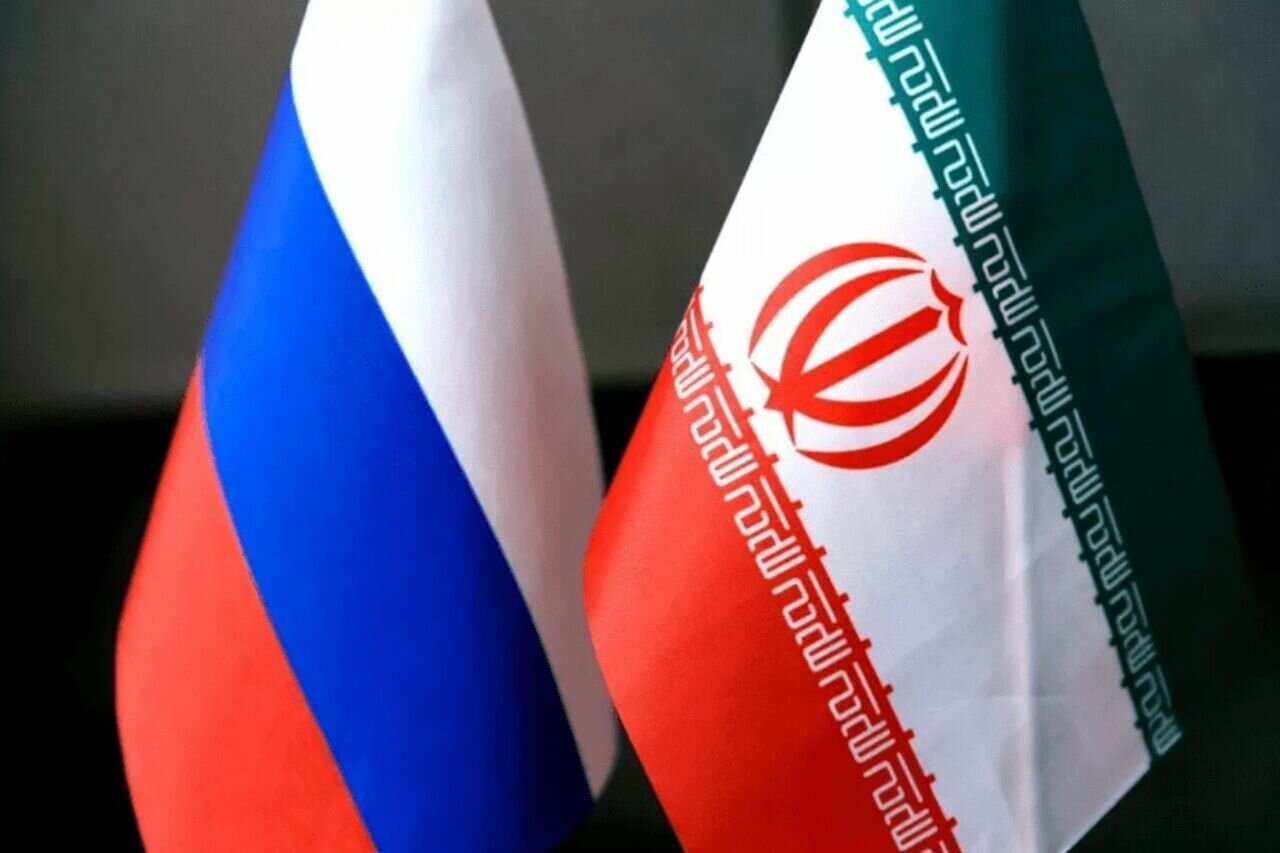
Russia‑Iran Trade Hits $4.8 bn in 2024, Overland Routes Remain Limited
*TL;DR: Russia‑Iran trade reached $4.8 bn in 2024, up 16%, yet overland routes cannot substitute the Gulf’s maritime dominance.
Context Iran faces a prolonged blockade of the Strait of Hormuz, threatening its oil exports and broader trade. Tehran has turned to Moscow for alternative corridors, while both nations seek to bypass Western sanctions.
Key Facts - Trade turnover between Russia and Iran hit $4.8 bn in 2024, a 16% increase from the previous year. - The bulk of exchanges involve Russian grain, metals, machinery and Iranian agricultural products, plus low‑cost Shahed drones supplied to Russia. - About 90% of Iran’s international trade still moves through maritime lanes in the Gulf, according to experts. - The International North‑South Transport Corridor (INSTC) links Russian ports on the Caspian Sea to Iranian ports such as Bandar Anzali, then continues by rail or truck toward Asia. - Russia has financed upgrades to the INSTC, and ports like Astrakhan and Makhachkala are prepared for higher volumes of grain, timber and refined products.
What It Means The $4.8 bn figure shows a modest deepening of economic ties, but the scale remains small compared with Iran’s trade with China or Gulf states. Analysts note that both economies produce similar goods, limiting the upside of bilateral exchange. Overland routes offer a “partial lifeline” by diverting some grain and metal shipments, yet they lack the speed and cost efficiency of sea transport. The unfinished rail link between Rasht and Astara further constrains capacity.
Historically, maritime shipping has been the fastest, cheapest way to move bulk goods. Even with recent volatility, the Gulf corridor can move far more volume than the INSTC can currently handle. Until the missing rail segment is completed and logistical bottlenecks are resolved, Iran will continue to rely on Gulf shipping for the majority of its trade.
Looking Ahead Watch for progress on the Rasht‑Astara rail line and any shifts in Iranian import patterns as the Hormuz blockade persists.
Continue reading
More in this thread
Conversation
Reader notes
Loading comments...