Utility CEOs Earn $12.3 million Average Pay Rise as Bills Surge 40% and Outages Hit 13 Million
Top U.S. utility CEOs saw a 16% pay increase to $12.3M average while customers face 40% higher bills and 13M power shutoffs. What’s next for regulation?
TL;DR
U.S. utility CEOs collected an average $12.3 million in compensation last year – a 16% increase – as customers grapple with bills up to 40% and 13 million power outages.
Context The energy sector is under pressure from inflation, geopolitical tensions and a surge in data‑center demand. Utility bills have risen as much as 40% in some regions since 2021, and federal data shows 13 million service interruptions last year. Most utilities operate as regulated monopolies, leaving customers with little choice and limited direct oversight.
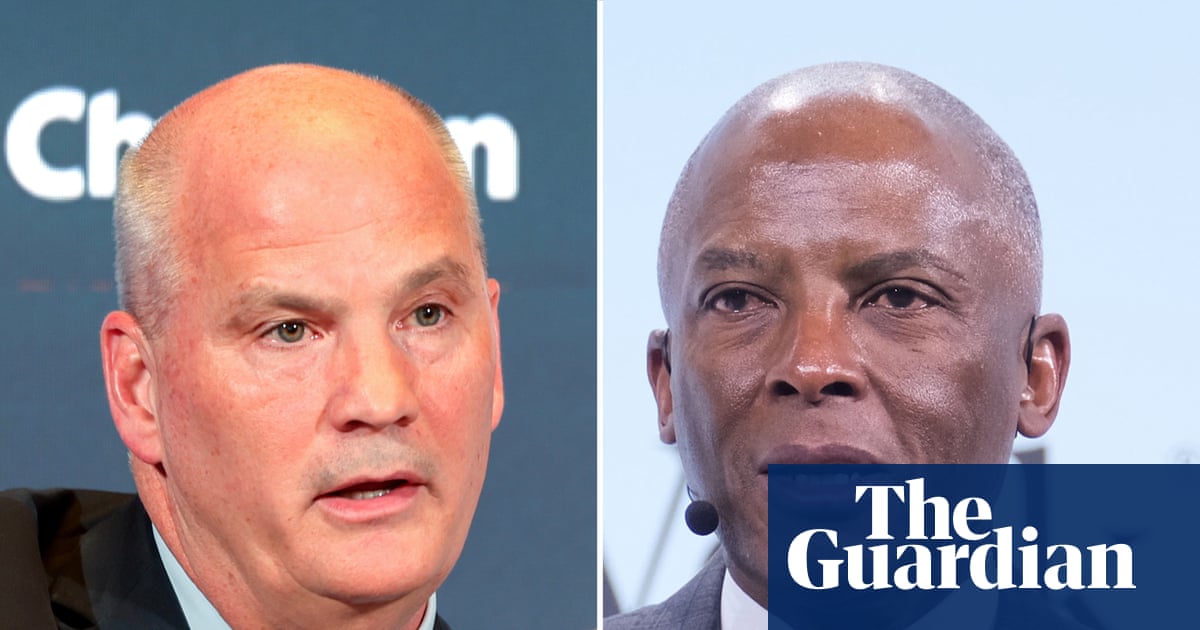
Key Facts - CEOs of 38 of the 51 largest utilities received pay raises, totaling $82 million in additional compensation. The average pay rose 16% to $12.3 million. - American Electric Power’s chief, Bill Ferhman, recorded the biggest jump: a $23 million increase, or 176%, bringing his total to $36.6 million. - Con Edison’s Tim Cawley and Southern Company’s Chris Womack saw 33% and 18% raises, reaching roughly $20 million and $28 million respectively. - Compensation packages include salary, bonuses, stock awards and perks such as private jets and condos, costs that are ultimately borne by ratepayers. - Despite the pay hikes, many CEOs failed to meet reliability targets. CenterPoint Energy’s Jason Wells earned a $2.6 million bump even after his company missed outage‑duration standards. - The industry’s pay growth outpaces inflation and average worker wages, with CEO compensation up 47% since 2017 and customers paying over $5 billion for these salaries in that period. - Executives argue that high pay aligns leadership incentives with shareholder returns and long‑term customer interests, but watchdogs note the disconnect between rising pay and deteriorating service.
What It Means The disparity between executive earnings and customer costs highlights a structural issue in regulated utilities. With limited competition and weak regulatory enforcement, utilities can raise rates while rewarding top management. As bills continue to climb and outages remain frequent, policymakers and state commissions may face mounting pressure to tighten compensation oversight and tie executive rewards more closely to reliability and affordability metrics. Watch for upcoming utility commission hearings and any legislative proposals aimed at curbing excessive executive pay.
Continue reading
More in this thread
Graphic Packaging Secures 250‑MW Texas Solar Deal to Power 43% of North American Operations
Elena Voss
Seed Funding Swells to Mega‑Rounds, Bay Area Holds One‑Third of Deals
Elena Voss
IATA Names Nigeria's Aviation Minister Among Africa's Top Four Aviators
Elena Voss
Conversation
Reader notes
Loading comments...