Rivian Locks $1.25 B Uber Robotaxi Deal and Hints at R2X Variant Ahead of 2028 Georgia Plant Launch
Rivian signs a $1.25 billion robotaxi partnership with Uber and hints at an R2X model as its Georgia factory, capable of 300,000 vehicles annually, prepares for a 2028 launch.
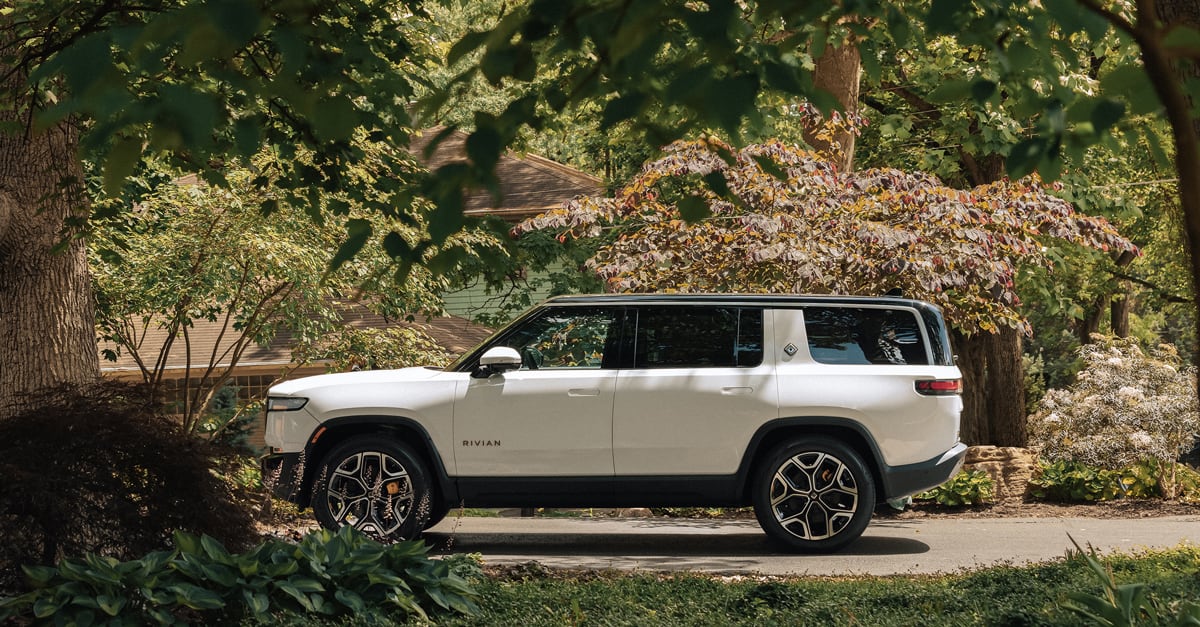
Rivian Locks $1.25 B Uber Robotaxi Deal and Hints at R2X Variant Ahead of 2028 Georgia Plant Launch
*TL;DR: Rivian has signed a $1.25 billion agreement with Uber to build robotaxis at its future Georgia plant and hinted at an R2X variant, while the factory will soon be able to produce 300,000 vehicles a year.
Context Rivian’s R2 electric SUV is slated for a 2025 launch, positioned against models like the BMW iX3 with a base price near $45,000. The company already sells the R1T pickup, R1S SUV, and Amazon delivery vans. Production of the first R2s occurs at the Normal, Illinois plant, which can output 155,000 R2s annually alongside up to 60,000 R1 vehicles and delivery vans.
Key Facts - In March, Rivian and Uber formalized a $1.25 billion partnership to manufacture robotaxis at Rivian’s upcoming Georgia facility. - The Georgia plant, slated to begin operations in 2028, will have a capacity of 300,000 vehicles per year once fully online. - CEO RJ Scaringe told Reuters the company may develop an “R2X” version and other combinations, but warned against premature announcements. - The Georgia site will also host production of smaller R3 models and potentially a R3X, expanding the company’s midsize and compact EV lineup.
What It Means The Uber deal gives Rivian a steady, high‑volume revenue stream that could offset the capital intensity of the Georgia plant. A 300,000‑unit annual capacity suggests the factory will serve both consumer models and commercial fleets, allowing Rivian to diversify beyond its current niche. The hinted R2X points to a strategy of platform flexibility, similar to how legacy automakers spin multiple variants from a single chassis. If Rivian follows that path, the Georgia plant could churn out several R2‑based models, boosting economies of scale and lowering per‑unit costs.
Looking ahead, the rollout of robotaxis will test Rivian’s ability to meet Uber’s production timelines, while the eventual reveal of the R2X will indicate how aggressively the company plans to broaden its EV portfolio before the Georgia plant reaches full capacity.
Continue reading
More in this thread
Conversation
Reader notes
Loading comments...