Warehouse Robotics Mismatch Costs Trucking $15.1 B Annually
Misaligned automation and labor cause driver detention on 39% of deliveries, costing $15.1 billion annually; AI orchestration could improve flow and cut overtime.
Warehouse Robotics Mismatch Costs Trucking $15.1 B Annually
*TL;DR: Misaligned warehouse robotics cause driver detention on 39% of deliveries, costing $15.1 billion annually; AI‑driven orchestration could cut overtime by 25% and boost flow by up to 35%.
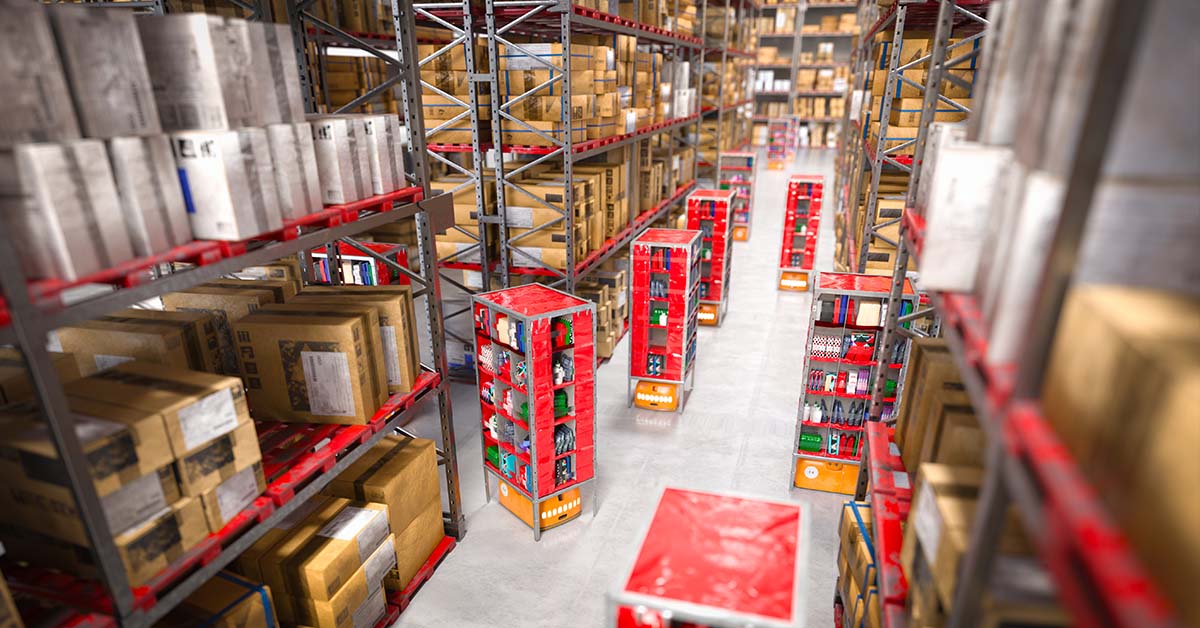
Context Third‑party logistics providers are pouring capital into autonomous mobile robots, high‑speed sorters, and automated storage systems. The goal is faster order processing, but the human workforce that feeds and receives these machines often cannot keep pace. When robots wait for inventory (starvation) or overload packing stations (blocking), shipments stall at the dock.
Key Facts - 39% of all deliveries experience detention, meaning trucks wait longer than scheduled at loading bays. - Detention translates to $15.1 billion in annual losses for the trucking industry: $11.5 billion from lost productivity and $3.6 billion in extra expenses. - Legacy warehouse management systems record transactions but do not dynamically balance robot speed with labor capacity, forcing managers into reactive, overtime‑heavy schedules. - Deploying agentic AI—software that continuously orchestrates robot‑human interaction—has shown up to 35% higher product flow, 12% better labor productivity, and 25% less overtime.
What It Means The financial impact of detention ripples beyond truck drivers, whose earnings dip 3%–3.6% due to idle time. For 3PLs, each hour of blocked dock space erodes margin and strains driver relationships. The root cause is a coordination gap: robots deliver speed, workers provide flexibility, but without a real‑time “brain” to align the two, the system creates costly bottlenecks.
Agentic AI offers a path forward by replacing static warehouse management with continuous decision‑making. By matching robot dispatch to labor availability, facilities can keep robots fed without overloading packers, reducing the need for overtime that currently inflates labor costs and raises safety risks. Early deployments report a quarter‑point reduction in overtime and a double‑digit lift in throughput, suggesting a direct route to lowering detention rates.
Looking Ahead Industry watchers will monitor how quickly large distribution centers adopt AI‑driven orchestration and whether detention rates fall below the current 39% threshold.
Continue reading
More in this thread
Protesters Dump Urine Bottles at Bezos‑Backed Met Gala After Amazon Cuts 16,000 Jobs
Elena Voss
Protesters Target Jeff Bezos with Urine Bottles at Met Gala Over Amazon Layoffs
Elena Voss
Agentic AI Cuts Warehouse Delays, Boosts Flow 35% and Saves Trucking $15 B Annually
Elena Voss
Conversation
Reader notes
Loading comments...