RBI Holds Rates Amid Iran‑War Oil Spike, Cuts Growth Outlook to 6.9%
The Reserve Bank of India kept its key policy rate steady, forecasting 6.9% growth and 4.6% inflation, as Iran war impacts global oil prices.
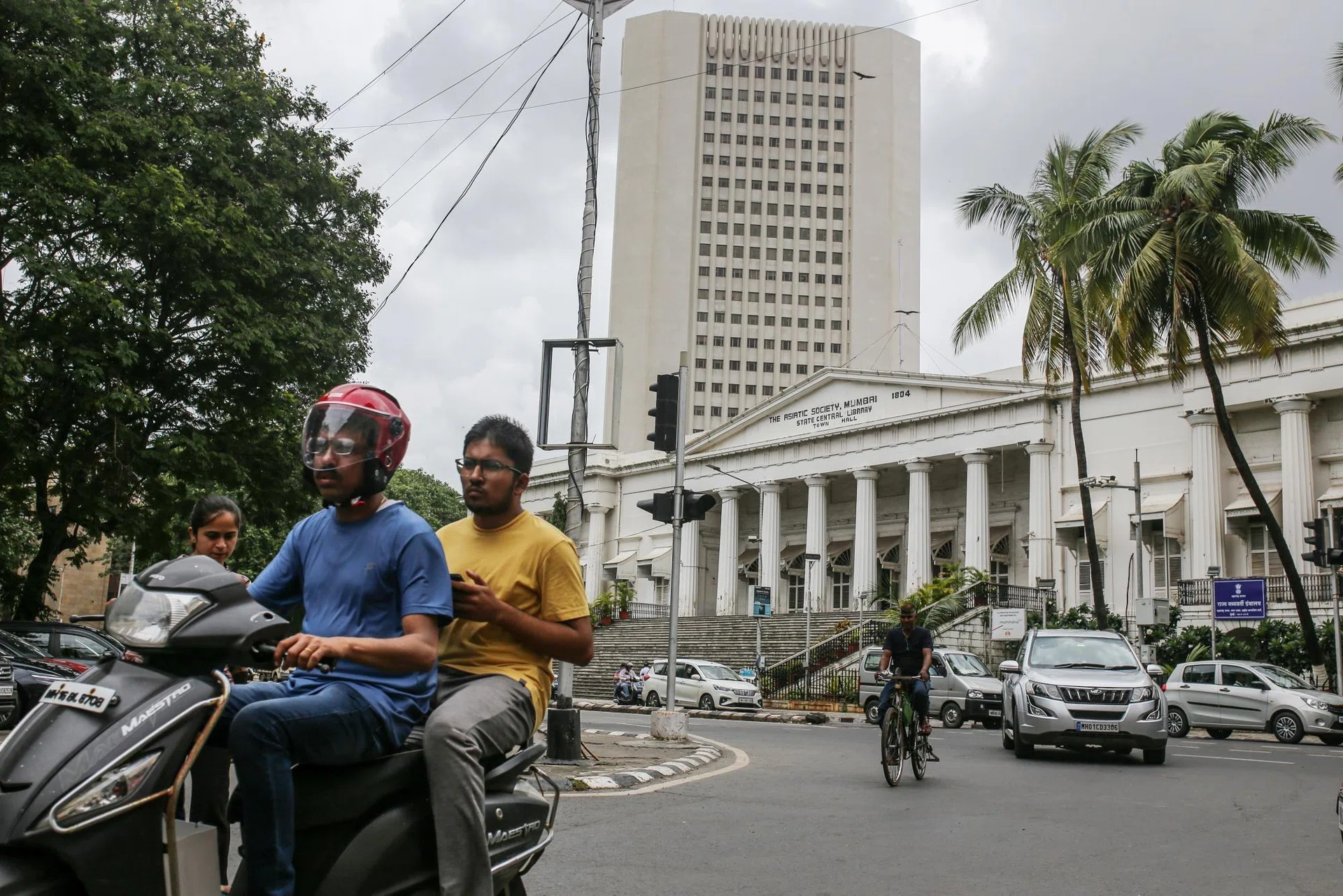
The central bank expects growth to fall to 6.9% in 2026 to 2027 from an estimated 7.6% last year, with inflation seen averaging 4.6%.
The Reserve Bank of India maintained its benchmark interest rate at its latest meeting, opting for stability despite rising global oil prices and a revised, lower growth projection for the coming fiscal year.
Global geopolitical events recently influenced economic policy. The conflict in Iran, which commenced in late February, caused a substantial increase in global crude oil prices. This surge posed a challenge for central banks managing inflation and growth.
The Reserve Bank of India (RBI) left its key policy rate, known as the repo rate, unchanged at its April meeting. This decision came as oil prices surged by almost 40% following the outbreak of the Iran war.
The RBI concurrently revised its economic outlook, projecting India's growth to decline to 6.9% in fiscal year 2026-27, a decrease from 7.6% the previous year. It also forecasts an average inflation rate of 4.6%.
The RBI's decision to hold rates suggests a strategy to observe the longer-term impact of external shocks. Policymakers viewed the oil price spike primarily as a supply-side shock. This indicated that a pre-emptive rate hike might not effectively curb inflation driven by such factors.
Instead, the central bank aimed to avoid premature policy tightening that could hinder economic output without significantly reducing inflation. The RBI's inflation target typically stands at 4%, with a tolerance band between 2% and 6%.
Maintaining a neutral monetary policy stance offers the flexibility to adjust rates in either direction as economic data evolves. This approach seeks to balance potential inflation pressures against the imperative of supporting economic growth.
Future monetary policy decisions will likely depend on the persistence of global oil price volatility and the transmission of these price increases into broader domestic inflation. Observers will monitor geopolitical developments and their subsequent impact on supply chains and inflation expectations.
Continue reading
More in this thread
CVB Financial Completes $20B All-Stock Merger with Heritage Commerce, Adding 16 Bay Area Branches
Elena Voss
Iran War-Driven Food Inflation Set to Hit Poorest UK Households 50% Harder Than Richest
Elena Voss
RBI Holds Rates as Iran War Drives Oil Prices Up 40% and Cuts Growth Outlook
Elena Voss
Conversation
Reader notes
Loading comments...