RBI Holds Rates as Iran War Drives Oil Prices Up 40% and Cuts Growth Outlook
India's RBI kept policy rates unchanged in April as oil prices soared 40% due to the Iran war. The central bank forecasts a growth decline to 6.9% for 2026-27.
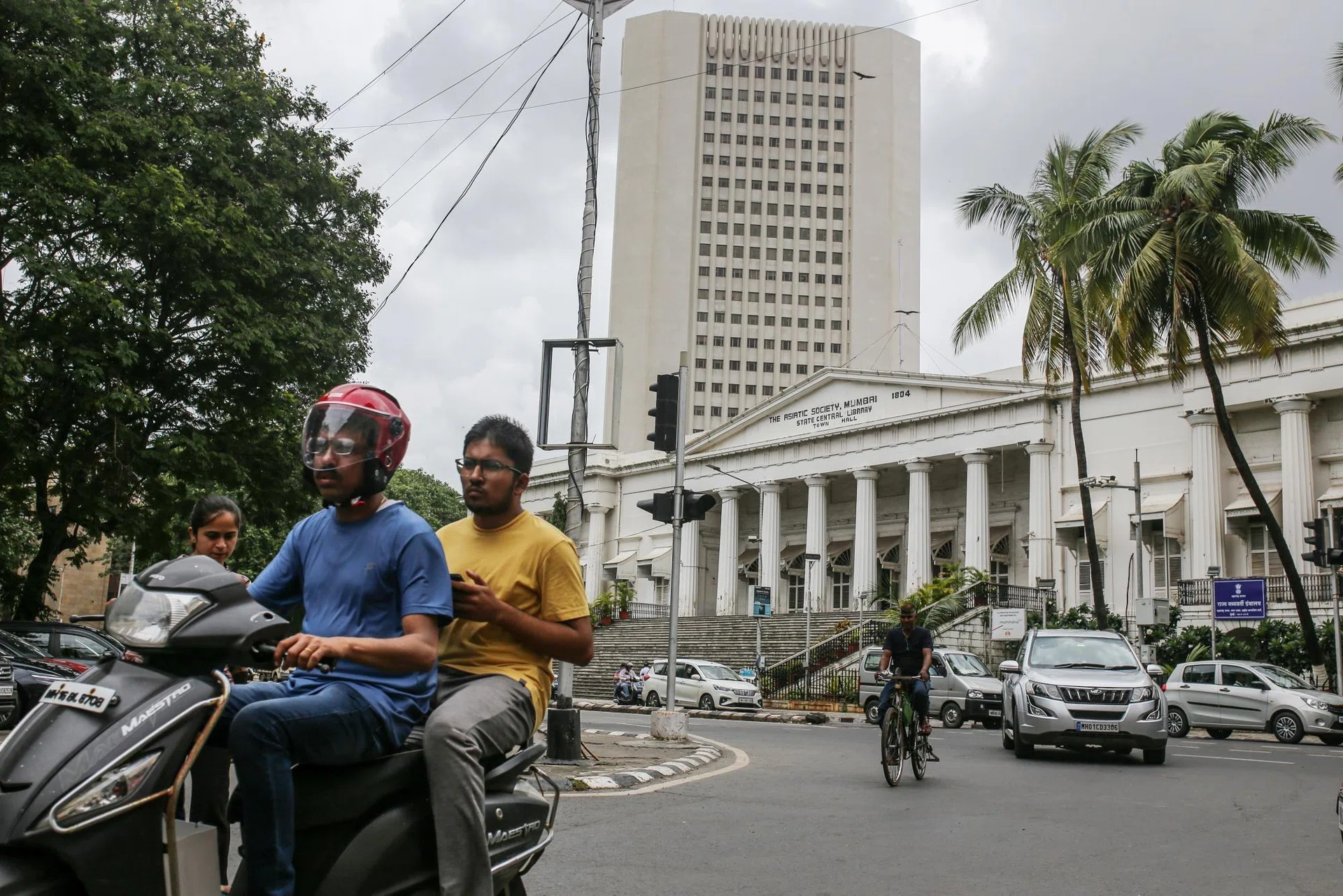
The central bank expects growth to fall to 6.9% in 2026 to 2027 from an estimated 7.6% last year, with inflation seen averaging 4.6%.
TL;DR
The Reserve Bank of India (RBI) maintained its key policy rate at its April meeting, reacting to an almost 40% surge in oil prices stemming from the Iran war. This decision reflects caution amidst global economic uncertainty and accompanies a revised, lower growth outlook for India.
Context The global economic landscape shifted significantly following the Iran war's outbreak in late February. This geopolitical event immediately disrupted international crude oil markets, pushing prices upward. Such supply shocks pose a dual challenge for central banks globally, particularly for nations heavily reliant on oil imports like India. Policymakers must weigh the immediate inflationary impact against the potential for slowing economic growth. The RBI's mandate typically involves targeting inflation, with a band of 2% to 6% around a 4% goal, while also supporting sustainable economic expansion.
Key Facts Oil prices have increased by almost 40% since the Iran war began. Faced with this surge, the Reserve Bank of India kept its key policy rate unchanged at its April meeting. This move signals a deliberate pause, as minutes from the meeting indicated policymakers sought to avoid immediate action on what they viewed as a supply-side shock, fearing potential policy errors. Instead, the central bank aims to assess whether these higher oil prices will translate into broader, second-round inflationary effects across the economy. Alongside this decision, the RBI revised its economic projections. The bank now forecasts India's growth to decline to 6.9% in the 2026-27 fiscal year. This represents a reduction from the 7.6% growth estimated for the previous year. Inflation is expected to average 4.6% during the same period.
What It Means The RBI's decision to hold rates underscores its strategy to monitor the long-term impact of external shocks rather than reacting to immediate price volatility. This approach suggests confidence that underlying inflation pressures remain contained for now, despite rising oil costs. The central bank prioritizes anchoring inflation expectations without unduly sacrificing economic output through premature rate hikes. Should global oil prices stabilize or decline, this strategy could help mitigate a deeper economic slowdown. However, prolonged conflict or sustained high oil prices could force a re-evaluation. Observers will closely watch the next global oil market developments and forthcoming economic indicators, alongside future RBI policy reviews, to gauge India's economic trajectory.
Continue reading
More in this thread
CVB Financial Completes $20B All-Stock Merger with Heritage Commerce, Adding 16 Bay Area Branches
Elena Voss
Iran War-Driven Food Inflation Set to Hit Poorest UK Households 50% Harder Than Richest
Elena Voss
RBI Holds Rates Amid Iran‑War Oil Spike, Cuts Growth Outlook to 6.9%
Elena Voss
Conversation
Reader notes
Loading comments...