Rat attacks surge in Gaza camps amid mounting waste and over 72,000 war deaths
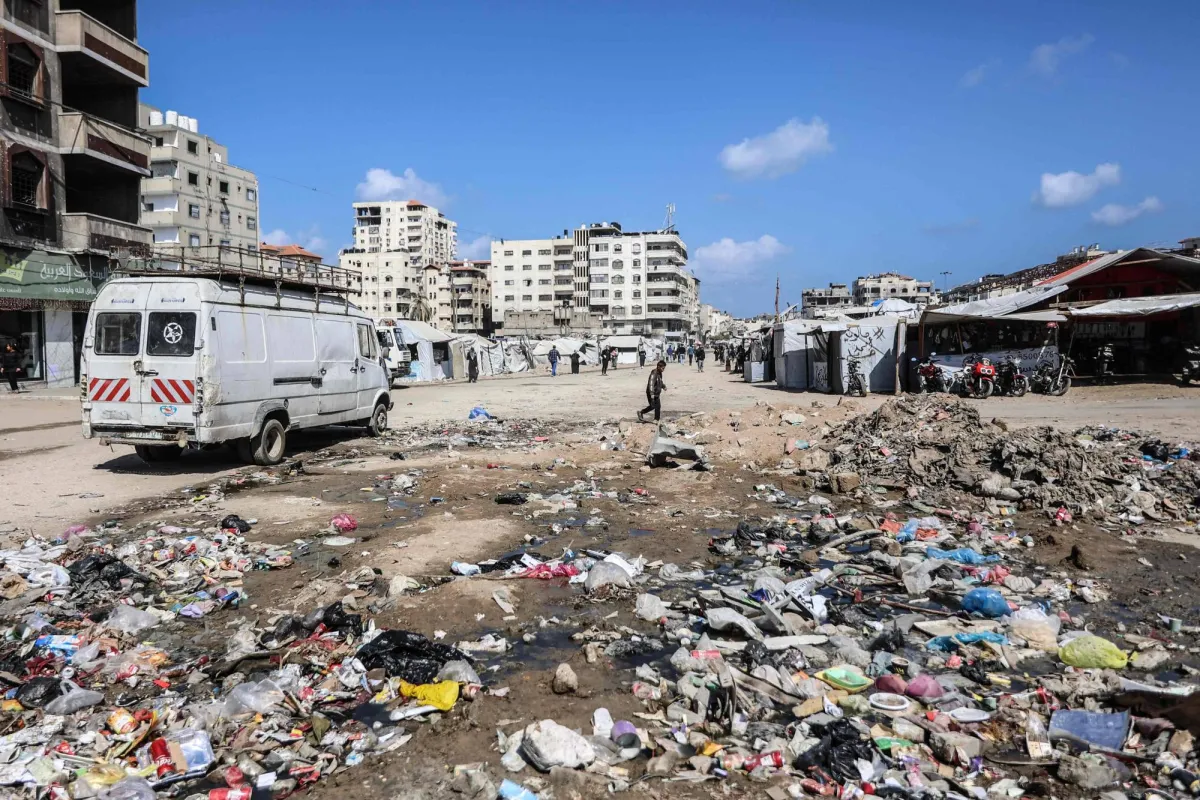
Rat infestations in Gaza's displacement camps are escalating due to 300,000 cubic metres of waste and infrastructure breakdown from conflict, posing severe health risks.
TL;DR
Rat infestations are increasing in Gaza's displacement camps, directly linked to accumulating waste and the broader humanitarian crisis following over 72,000 conflict-related deaths.
The Gaza Strip faces a critical public health crisis as rat attacks surge within displacement camps. Unsanitary conditions and mounting waste foster rapid increases in rodent populations, posing direct threats to residents' health and safety amidst ongoing humanitarian challenges.
One resident, Samah al-Dabla, described seeing a large rat, comparable to a rabbit, running inside her tent after her daughter was bitten. This firsthand account illustrates the immediate and severe dangers faced by families living in overcrowded and underserviced areas. Such incidents underscore the direct impact of the degraded environment on civilian well-being and security.
The primary landfill in Gaza City currently holds an estimated 300,000 cubic metres of waste. This massive accumulation directly contributes to rodent proliferation—a rapid increase in rodent numbers—creating ideal conditions for their breeding and widespread presence. This environmental factor establishes a clear correlation and causal link between disrupted waste management and heightened pest activity across the region.
The protracted conflict has resulted in over 72,000 Palestinian deaths, profoundly impacting societal stability and infrastructure. This immense human toll exacerbates existing challenges in maintaining basic sanitation and public health services. The breakdown of essential municipal functions, including regular waste collection and disposal, indirectly fuels the conditions that allow rodent populations to thrive unchecked in displacement zones.
These escalating rat infestations present significant health risks to a vulnerable population. Rodents are known vectors for various diseases, and their increased presence in close proximity to humans raises the potential for outbreaks of leptospirosis, salmonellosis, and other illnesses. The combination of dense living conditions, compromised hygiene, and increased exposure to disease-carrying pests creates a complex public health emergency demanding urgent attention.
Addressing this challenge requires immediate, coordinated efforts in large-scale waste removal and comprehensive pest control. Practical takeaways include the critical need for sustained international aid focused on restoring sanitation infrastructure and providing resources for public health interventions. This includes ensuring access to clean water, effective waste disposal systems, and medical treatment for those affected by bites or potential disease transmission.
What to watch next: Observers will monitor the effectiveness of any new initiatives by local authorities and international humanitarian organizations to manage waste accumulation and implement robust pest control measures in the affected areas.
Continue reading
More in this thread
NMA Delegates Suspend President Audu, Reverse Candidate Disqualification, Install Caretaker Committee
Dr. Priya Sharma
NMA Delegates Suspend President Audu, Reverse Candidate Disqualifications and Install Caretaker Committee
Dr. Priya Sharma
Gaza Families Face Rising Rat Threats as War Worsens Sanitation
Dr. Priya Sharma
Conversation
Reader notes
Loading comments...