Proxy Advisers Urge Split of JPMorgan CEO and Chair Roles as Dimon Resists
ISS and Glass Lewis urge JPMorgan to separate its CEO and chair posts; the bank campaigns against the split ahead of the May 19 AGM.
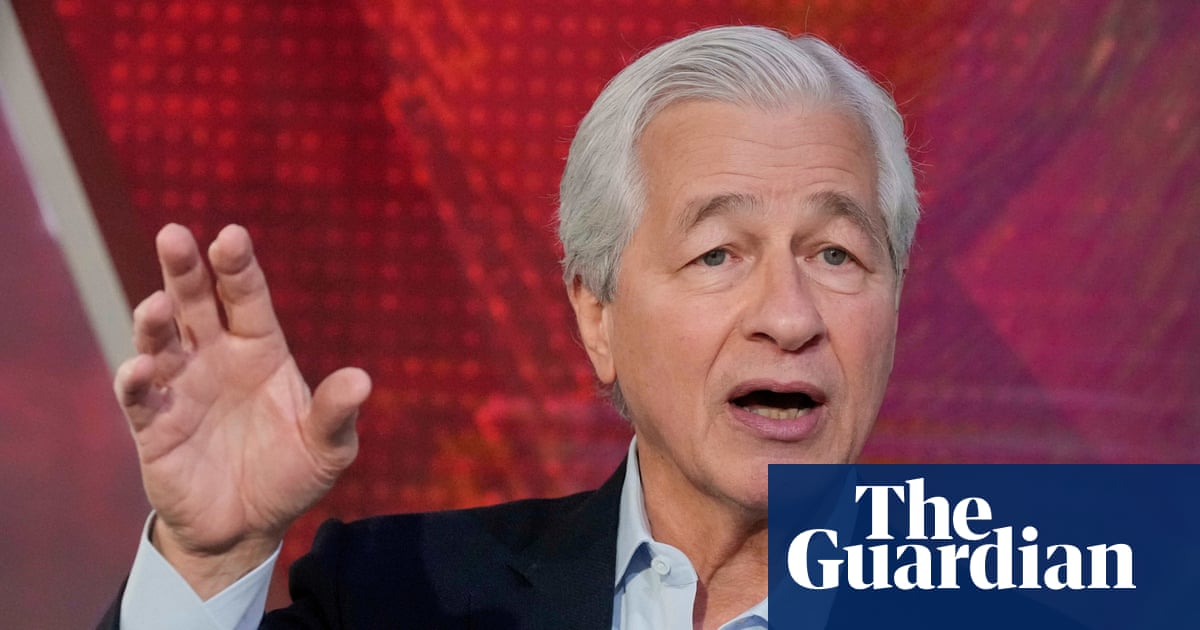
*TL;DR: ISS and Glass Lewis recommend that JPMorgan Chase (JPM) separate its CEO and chair positions; the bank is lobbying investors to reject the proposal ahead of the May 19 AGM.*
Context JPMorgan Chase, the United States’ largest bank, faces a governance showdown. A shareholder resolution filed by a retail investor calls for an independent chair to sit apart from CEO Jamie Dimon, who has held both titles since 2005‑06. The vote is scheduled for the bank’s annual general meeting on 19 May.
Key Facts - ISS, a leading proxy adviser, argues that JPMorgan’s scale—over $500 billion in market capitalisation and a balance sheet exceeding $3 trillion—makes it “difficult for any one person to run both the company and the board.” - Glass Lewis echoes the view, saying an independent chair would better oversee executives and set a pro‑shareholder agenda. - JPMorgan has asked investors to vote against the split and has written to both advisers urging them to reverse their recommendations. - Jamie Dimon’s net worth is estimated at $2.6 billion; he has steered the bank through two decades of record earnings, delivering annual returns that outpace most peers. - The bank’s internal AI‑driven voting platform now replaces external advisers for its asset‑management arm, reflecting Dimon’s broader push to limit outside influence.
What It Means If shareholders side with the proxy advisers, JPMorgan would need to appoint a separate chair, aligning its governance with European norms that view combined roles as a conflict of interest. Proponents argue this could improve board oversight and reduce the risk of unchecked executive power. Opponents, led by Dimon, contend there is no performance gap between firms with independent chairs and those without, and that the current structure has delivered “long‑term, strong financial performance.”
The outcome will signal whether U.S. banks will follow the global trend toward board independence or retain the traditional American model of a unified leadership team. Market participants should watch the May 19 vote result and any subsequent changes to JPMorgan’s leadership hierarchy.
Continue reading
More in this thread
Conversation
Reader notes
Loading comments...