Iran Food Prices Surge 115% as Rial Hits 1.77 Million per Dollar
Iran's food prices surged 115% YoY while the rial hit 1.77 million per US dollar, squeezing household budgets and pressuring the economy.
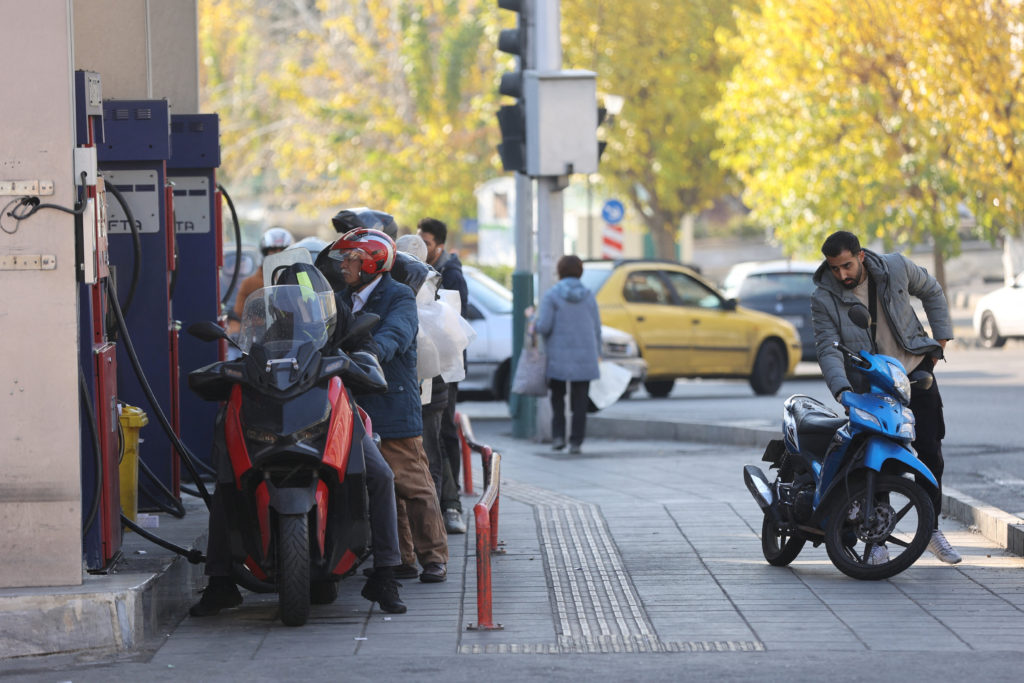
Iran Food Prices Surge 115% as Rial Hits 1.77 Million per Dollar
TL;DR: Iran’s food inflation jumped 115% year‑on‑year in the first month of the Persian calendar, while the rial fell to roughly 1.77 million per US dollar, leaving most families unable to afford basic items.
Context Iran faces a dual shock: soaring consumer prices and a collapsing currency. The United States’ naval blockade of Iranian ports has choked imports, while war‑related disruptions strain domestic production. The government’s monthly cash subsidies and electronic vouchers total less than $10 per person, a figure far below the rising cost of staples.
Key Facts - The Statistical Center of Iran reported food prices up 115% in Farvardin (April 2024) compared with the same month a year earlier. Solid vegetable oil led the surge with a 375% increase, followed by liquid cooking oil (+308%) and imported rice (+209%). - General inflation, measured by the same agency, ran at 73.5% year‑on‑year, with a 5% rise from the previous month. The Central Bank’s alternative calculation placed food inflation at 67% year‑on‑year, still far above global averages. - The rial’s open‑market rate slid to about 1,770,000 per US dollar, more than double the 830,000 level recorded a year ago. This depreciation erodes purchasing power and raises the cost of imported food items. - A Tehran resident told Al Jazeera that “most people in society now can’t afford many of the things they want,” echoing widespread hardship. - Small businesses report repeated price hikes; a kebab shop owner noted liver prices have doubled, citing supply shortages and export pressures.
What It Means The gap between headline inflation and food‑price inflation means a larger share of shrinking wages must be spent on essentials. With the rial losing value at an unprecedented rate, import‑dependent commodities become prohibitively expensive, feeding a feedback loop of higher prices and further currency weakness. Government directives labeling cooking‑oil price spikes as “illegal” have limited impact without broader macro‑economic stabilization.
International investors watch Iran’s currency as a barometer of regional risk. The rial’s plunge pushes the country’s sovereign‑bond yields higher, while the Tehran Stock Exchange’s main index (Ticker: TEJ) has slipped over 12% since the start of the year, reflecting investor wariness. Any de‑escalation in the US‑Iran conflict or a lift of the naval blockade could ease import constraints, but without a clear fiscal plan, food inflation is likely to stay elevated.
Looking Ahead Monitor the rial’s trajectory and any policy shifts from Iran’s central bank; a stabilization effort could temper food‑price spikes and restore some confidence in the domestic market.
Continue reading
More in this thread
Conversation
Reader notes
Loading comments...