Pro‑Independence Leaders Set to Run Scotland, Wales and Northern Ireland
SNP, Plaid Cymru and Sinn Féin win top devolved posts, signaling voter fatigue with Westminster and a historic shift in UK politics.
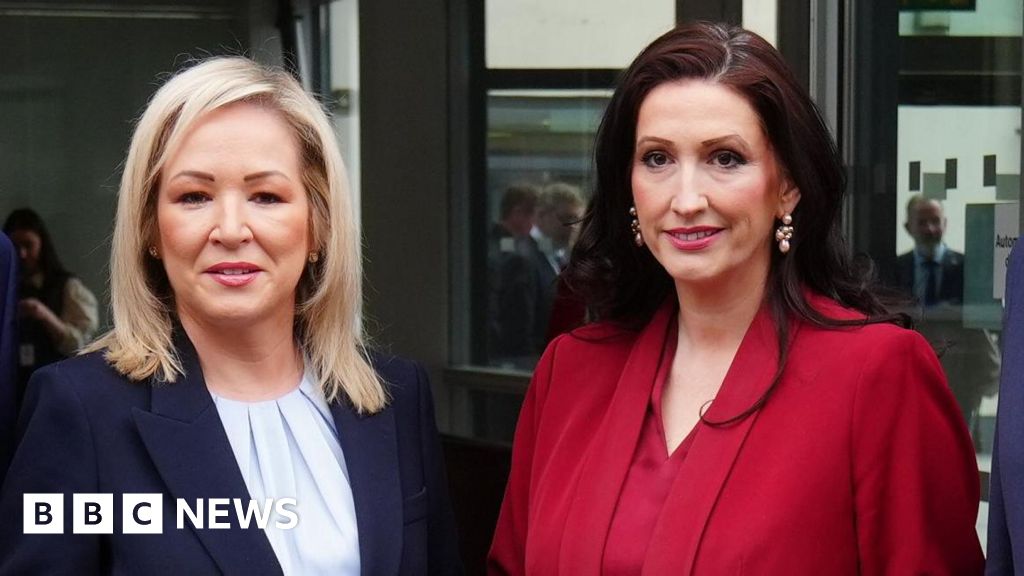
Michelle O'Neill, a woman with shoulder-length blonde hair, and Emma Little-Pengelly, a woman with long, dark hair, pose for a photo. O'Neill is wearing a navy suit jacket with a pale pleated-neck top and Little-Pengelly is wearing a bright red suit jacket over a matching red blouse.
TL;DR
Pro‑independence parties could hold the top devolved offices in Scotland, Wales and Northern Ireland for the first time, reflecting voter frustration with Westminster.
Context The latest elections across Great Britain produced a clear shift: the Scottish National Party (SNP) retained power in Scotland, Plaid Cymru won in Wales and Sinn Féin secured a majority in Northern Ireland. All three parties campaign for full independence from the United Kingdom. Their victories were announced at the North‑South Ministerial Council meeting in Armagh, a forum created by the 1998 Good Friday Agreement for cross‑border cooperation.
Key Facts - The SNP, Plaid Cymru and Sinn Féin now stand to occupy the first‑minister roles in each of the three devolved nations, a historic first. - First Minister Michelle O’Neill described the results as a “seismic” change and said voters are “tired of the shackles in Westminster.” - Deputy First Minister Emma Little‑Pengelly of the Democratic Unionist Party (DUP) acknowledged a desire for change but insisted it is not about the constitutional question of independence. - O’Neill stressed that the desire for self‑determination cannot be ignored, while pledging to work in good faith with all parties. - Irish leaders, including Taoiseach Micheál Martin and Tánaiste Simon Harris, warned against over‑interpreting regional outcomes as predictors of a UK‑wide election, noting growing political fragmentation.
What It Means The alignment of three pro‑independence governments could reshape policy coordination on issues such as health, education and transport, especially where the North‑South Ministerial Council already facilitates joint action. While the DUP’s Little‑Pengelly downplays any immediate constitutional impact, the combined mandate may pressure Westminster to address long‑standing grievances about fiscal autonomy and legislative powers. Irish officials highlighted the need for pragmatic relations, noting that post‑Brexit ties between the UK and the EU remain at their strongest since the split.
Looking Ahead Watch how the new first ministers navigate cooperation with the UK government and whether their shared independence agenda translates into concrete legislative proposals before the next UK general election.
Continue reading
More in this thread
Conversation
Reader notes
Loading comments...