NI Leaders Clash Over Westminster Vote Impact as Pro‑Independence Momentum Grows
Northern Ireland's top ministers disagree on the meaning of recent UK election results as pro-independence parties eye historic first‑minister roles.
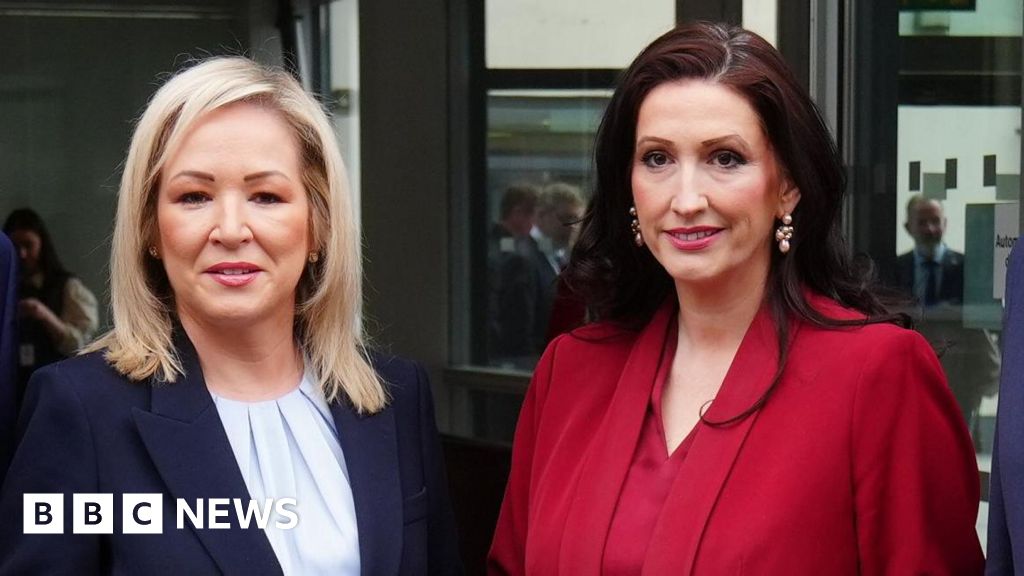
Michelle O'Neill, a woman with shoulder-length blonde hair, and Emma Little-Pengelly, a woman with long, dark hair, pose for a photo. O'Neill is wearing a navy suit jacket with a pale pleated-neck top and Little-Pengelly is wearing a bright red suit jacket over a matching red blouse.
TL;DR: Northern Ireland’s First Minister and Deputy First Minister diverge on the significance of Great Britain’s election, while pro‑independence parties stand to claim first‑minister posts in all three devolved nations.
Context The North‑South Ministerial Council met in Armagh as the Irish prime minister joined ministers from Dublin and Stormont. The gathering follows a UK election that saw the Scottish National Party win in Scotland and Plaid Cymru in Wales, positioning pro‑independence parties to hold the top executive role in Scotland, Wales and Northern Ireland for the first time.
Key Facts First Minister Michelle O’Neill said voters are “tired of the shackles in Westminster,” echoing frustration over slow delivery of public services across Great Britain. She highlighted a “seismic” shift in UK politics and warned that the desire for independence cannot be ignored. O’Neill stressed Sinn Féin’s shared commitment to national self‑determination with the SNP and Plaid Cymru, while pledging to work in good faith with all parties. Deputy First Minister Emma Little‑Pengelly of the Democratic Unionist Party acknowledged voter frustration but dismissed any direct link to a constitutional push for independence. She argued the election results reflect a desire for change, not a mandate on the constitutional question. Irish Taoiseach Micheál Martin cautioned against equating local council outcomes with a general election, describing the two as “different beasts.” He noted growing political fragmentation and affirmed a pragmatic relationship with the UK government. Tánaiste Simon Harris added that UK‑Ireland and UK‑EU ties are at their strongest since Brexit, expecting continuity.
What It Means If the SNP and Plaid Cymru retain power, the three devolved administrations could be led by pro‑independence parties simultaneously, reshaping inter‑governmental dynamics. O’Neill’s call for self‑determination may pressure Westminster to address long‑standing grievances in Northern Ireland, while Little‑Pengelly’s stance suggests Unionist parties will resist constitutional change. The divergent messages from Stormont’s leaders signal a potential stalemate in future negotiations on the constitutional future of the island. The next step will be watching how the UK government responds to coordinated independence ambitions and whether cross‑border cooperation on agriculture, health and transport can survive heightened political tension.
Looking ahead, monitor the post‑election policy agenda in Scotland and Wales and any formal proposals from Sinn Féin that could test the limits of the Good Friday Agreement’s power‑sharing framework.
Continue reading
More in this thread
Conversation
Reader notes
Loading comments...