Pakistan Hosts US‑Iran Talks, Secures 45‑Day Ceasefire Amid Regional Tensions
Pakistan has successfully brokered a 45-day ceasefire between the US and Iran, offering to host direct talks in Islamabad. This move marks a significant diplomatic victory.
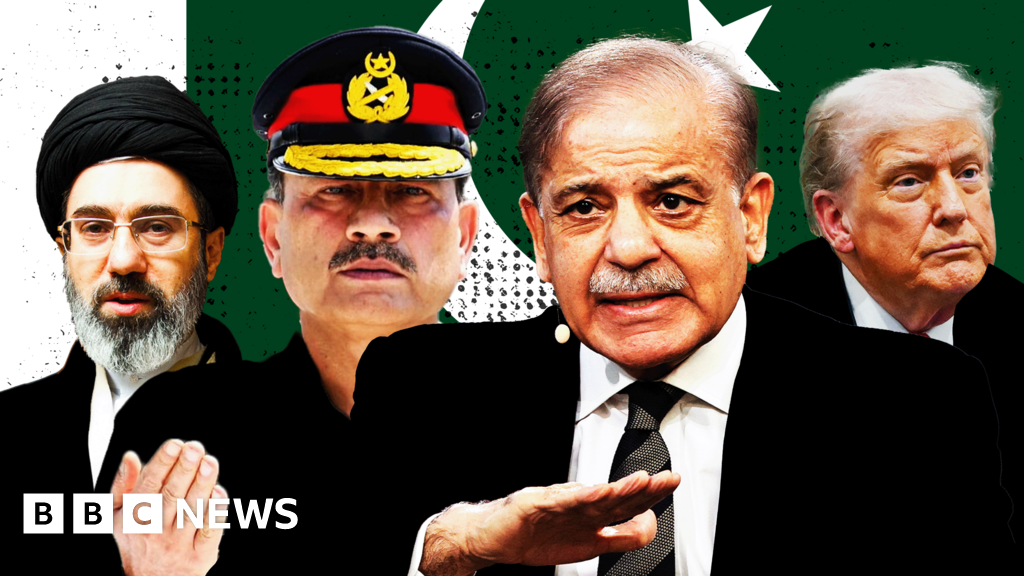
A composite image shows Iran's Supreme Leader, Mojtaba Khamenei, Pakistan's military chief, Field Marshal Asim Munir, and Prime Minister, Shehbaz Sharif, and US President Donald Trump superimposed over the national flag of Pakistan.
TL;DR
Pakistan brokered a significant two-phase ceasefire between the United States and Iran, including a 45-day truce, and offered to host direct negotiations. This diplomatic effort marks a notable shift in regional dynamics.
The Middle East faces escalating tensions, positioning Pakistan as a crucial diplomatic bridge between the United States and Iran. This sudden elevation in Pakistan's role signals a potential return to its credibility as a global dispute negotiator. The country filled a diplomatic void after heightened US-Iran conflict developments in 2026.
Pakistan successfully brokered a two-phase ceasefire plan designed to de-escalate regional tensions. This agreement features an initial 45-day truce, intended to establish stability before proceeding to discussions for a lasting settlement. Beyond facilitating this initial step, Pakistan extended an offer to host direct negotiations between the United States and Iran in its capital, Islamabad. This move positions Pakistan not just as a mediator but as a neutral platform for high-stakes dialogue. The Guardian described this mediation as Pakistan's largest diplomatic victory in recent years, highlighting its ability to bridge deep divisions.
This diplomatic breakthrough, while significant, remains fragile due to long-standing mistrust between Washington and Tehran. Unresolved issues like Iran's nuclear program and regional security ties still pose challenges. Pakistan's involvement also reflects its own strategic interests; a stable Gulf region safeguards its energy security and trade routes, particularly via the Strait of Hormuz. The country's unique position, balancing relations with Gulf states and Iran, underscores the delicate nature of this mediation. Conflicting reports from involved parties, with some US officials downplaying the achievement and Iran setting conditions, highlight the complexities inherent in these negotiations.
The coming weeks will reveal whether this 45-day truce can build momentum for deeper talks and contribute to a more stable regional future.
Continue reading
More in this thread
Merz Links Climate Policy to Global Security, Pledges Finance Ahead of COP31 in Turkey
Nadia Okafor
Michigan's Renewable Energy Mandates Linked to 70% of Electricity Price Hikes, Study Reports
Nadia Okafor
West Bank Voters Skeptical as Local Elections See Record Independent Candidates and Stalled PA Pay
Nadia Okafor
Conversation
Reader notes
Loading comments...