NSW Moves to Criminalise Secret GPS Tracking After Domestic Violence Link
NSW will make covert GPS monitoring a crime when it could cause fear of harm, after 82% of illegal tracking cases involved domestic violence.
TL;DR
NSW will criminalise covert GPS tracking that could cause a victim to fear physical or mental harm, following data showing 82% of illegal tracking cases were tied to domestic violence.
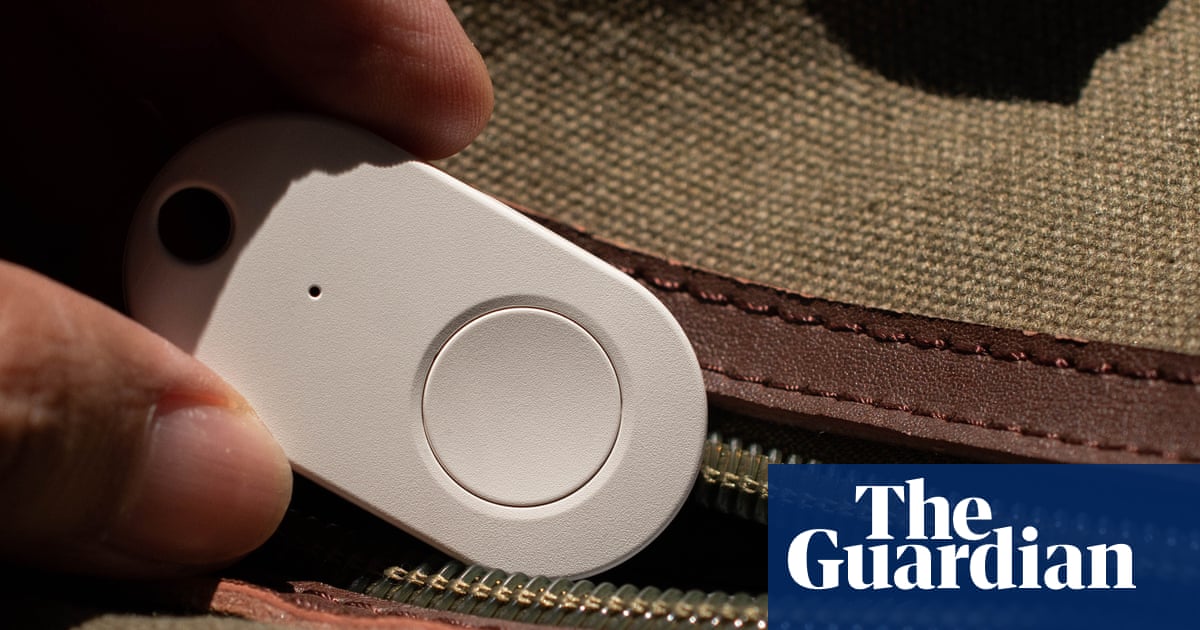
Context A regional NSW man bought a GPS tracker after his marriage collapsed, used it to follow his wife for weeks, and then killed her before taking his own life. The victim never knew she was being monitored. Existing stalking laws did not capture this behaviour because the surveillance was hidden from the victim. The NSW Crime Commission’s 2024 Project Hakea report highlighted a surge in the use of tracking devices by domestic abusers and organised crime, noting that one in four purchasers of such devices had a history of domestic violence.
Key Facts - The government will introduce a targeted offence that makes it illegal to secretly monitor a person who is unaware of the surveillance if a reasonable person would consider it likely to cause fear of harm. - Between 2010 and 2023, 82% of people charged with unlawful use of tracking devices in NSW were linked to domestic‑violence offences. - Project Hakea found that perpetrators often bought multiple devices, installing magnetic or hard‑wired trackers in cars and homes to control victims. - A separate offence will target anyone who directs a third party to stalk or who promotes the illegal use of surveillance equipment, addressing the role of “spy stores” and private investigators. - The new law will exclude legitimate uses such as parents monitoring a child’s social‑media activity or genuine interest in following someone online. - NSW has already criminalised coercive control and reformed bail for domestic‑violence offenders, resulting in a record 13,100 prisoners on remand as of December.
What It Means The legislation aims to close a gap that allowed abusers to weaponise technology without legal recourse for victims. By defining a clear threshold—unaware monitoring that could cause fear—the law gives police a tool to intervene before surveillance escalates to physical violence. It also places responsibility on suppliers and promoters of tracking devices, potentially reducing the availability of illicit equipment.
Watch for the parliamentary debate next week and the first prosecutions under the new offence, which will indicate how effectively the law deters covert surveillance in domestic‑violence contexts.
Continue reading
More in this thread
Conversation
Reader notes
Loading comments...