Trump's New Cuba Sanctions Push Gas to $40 a Gallon, Ambassador Vows Sovereignty
New U.S. sanctions push Cuban gasoline to $40 per gallon, deepening shortages. Cuba's ambassador says talks must respect sovereignty.
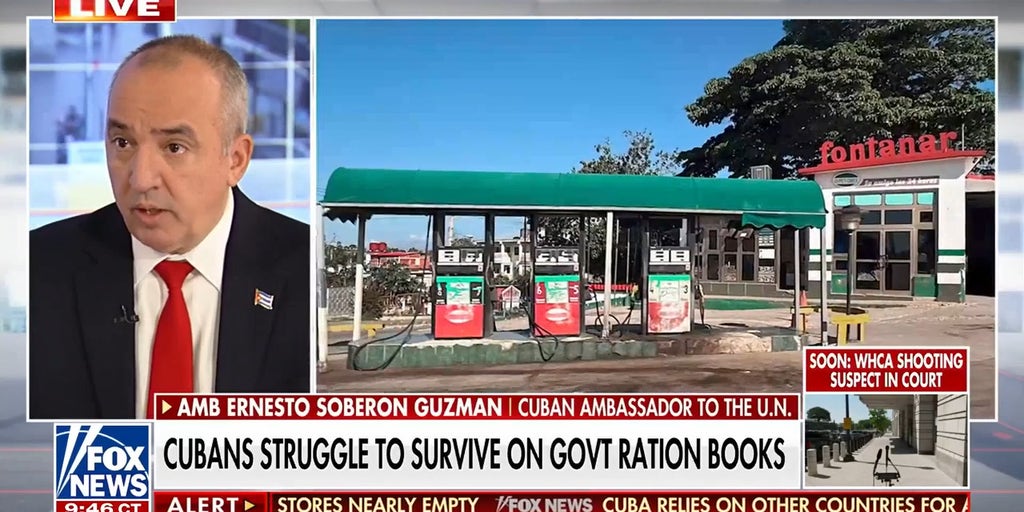
Trump slaps new sanctions on Cuba amidst economic crisis, Cuban ambassador responds | Fox News Video
TL;DR
New U.S. sanctions have pushed Cuban gasoline to $40 per gallon, intensifying an already severe economic crisis; Cuba’s ambassador says the island will negotiate only with respect for its sovereignty.
The Trump administration announced fresh restrictions on Cuba this week, targeting sectors that already struggle under a decade‑long embargo. The measures tighten limits on remittances, restrict travel for U.S. citizens, and ban the import of certain agricultural products. Officials say the steps aim to pressure the Cuban government over human‑rights concerns.
Cuba’s economy, already reeling from pandemic fallout and the long‑standing blockade, now faces a new shock. Gasoline, once subsidized, now costs $40 per gallon at the pump, a price that far exceeds the average Cuban monthly salary. The surge has triggered long lines at the few service stations that remain open and forced many businesses to curtail operations.
The price spike reflects a broader pattern of scarcity. Food items, medicines and basic consumer goods have become harder to obtain, prompting public protests in several cities. Analysts link the shortages to both the new sanctions and the island’s reliance on imported fuel, which now must be bought on the open market at world prices.
Cuban ambassador Ernesto Soberón Guzmán responded to the sanctions in a televised statement. He said Cuba is prepared for dialogue “based on mutual respect,” rejecting any notion of surrender. The ambassador reaffirmed the nation’s commitment to sovereignty and independence, describing the sanctions as a continuation of the “blockade” that the United States has maintained for decades.
Washington officials argue the sanctions are a lawful response to Cuba’s suppression of dissent and lack of democratic reforms. Critics in the U.S. Congress warn that the policy may backfire, worsening humanitarian conditions without achieving political change.
What it means for ordinary Cubans is stark: higher fuel costs translate into higher prices for food, transport and electricity, deepening the daily hardship. For the U.S., the move tests the balance between pressure tactics and diplomatic engagement, especially as the Biden administration signals a willingness to revisit Cuba policy.
The next weeks will reveal whether Havana’s call for “mutual respect” will lead to concrete negotiations or whether the sanctions will further entrench the island’s isolation. Watch for any diplomatic overtures from either side and the impact on Cuba’s already fragile supply chains.
Continue reading
More in this thread
Conversation
Reader notes
Loading comments...