NordSpace Lands $183K Defence Contract to Kickstart 2028 VLEO Imaging Constellation
NordSpace receives $183,000 Canadian defence contract to develop VLEO imaging constellation technologies, targeting 10cm resolution by 2028.
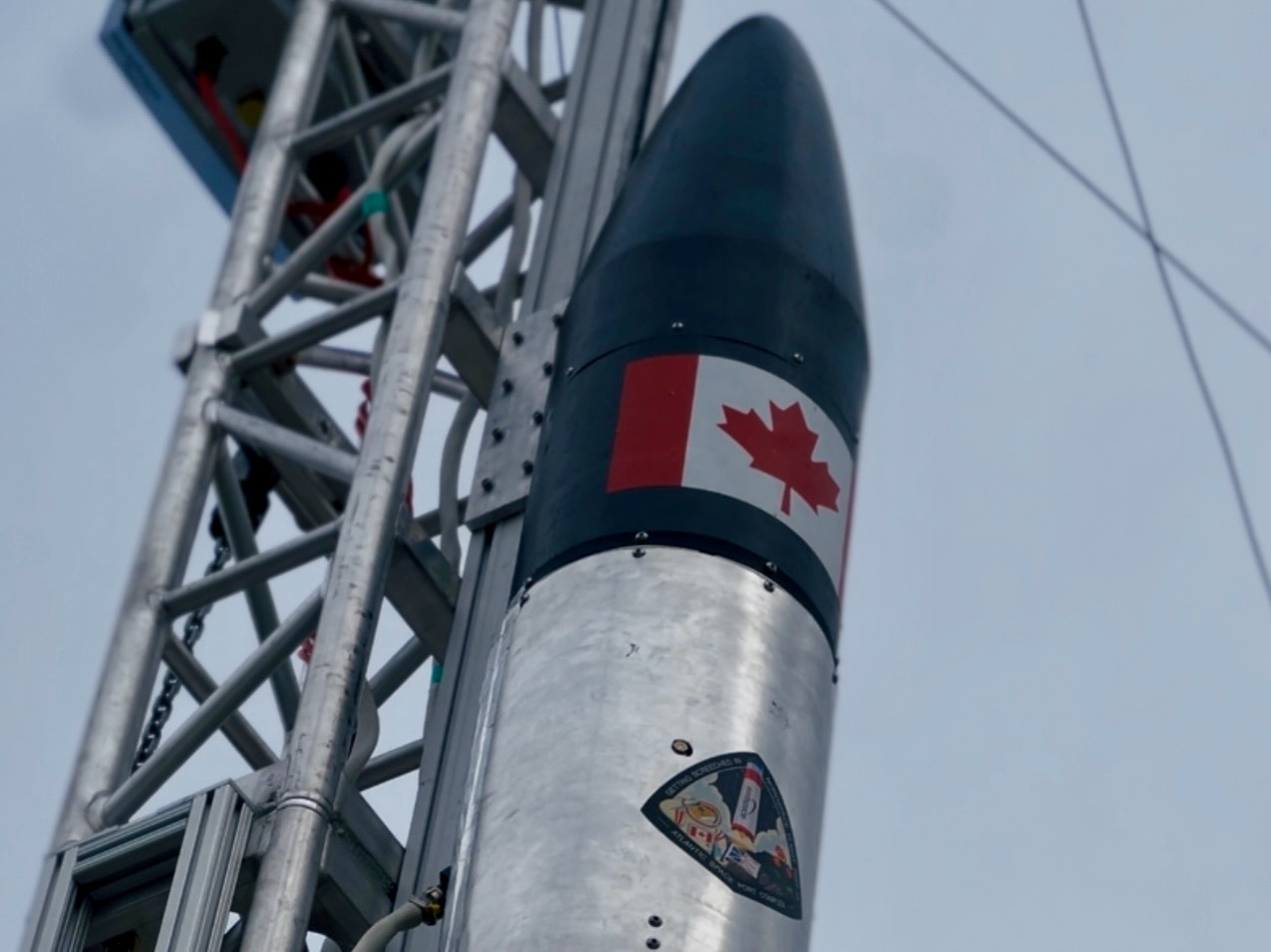
**TL;DR**
NordSpace secured a $183,000 contract from Canada’s Department of National Defence to advance technologies for its Kestrel Very Low Earth Orbit (VLEO) imaging constellation. This funding supports the development of a system planned for deployment in 2028, aiming for 10-centimeter resolution imagery.
Context
Canada’s Department of National Defence awarded NordSpace a one-year contract valued at approximately $183,000 on April 21. This funding aims to develop conceptual technologies for a Very Low Earth Orbit (VLEO) satellite constellation. VLEO involves satellites operating at significantly lower altitudes than traditional Low Earth Orbit (LEO), which enables higher resolution and reduced communication delays.
Key Facts
NordSpace plans to initiate deployment of its Kestrel VLEO constellation in 2028. This constellation targets the delivery of low-latency imaging with a 10-centimeter resolution, a capability that provides fine detail from space with minimal time delay. The company is simultaneously developing its launch capabilities; the Tundra orbital rocket is scheduled for its first flight in 2028, while the suborbital Taiga rocket anticipates a launch within the coming months.
What It Means
This contract advances NordSpace's push to build sovereign space capabilities for Canada, extending beyond launch services. The Kestrel constellation aims to address challenges inherent in VLEO, such as maintaining orbit against atmospheric drag, by leveraging rapid satellite replenishment. NordSpace's developing launch vehicles, like the Tundra, are central to this strategy, offering a dedicated means to sustain VLEO operations and potentially replace satellites with a typical lifespan of around three years in this orbital regime. The company's Terra Nova LEO imaging pathfinder, launching this fall, will test key technologies relevant to VLEO operations, including advanced imaging systems and in-space thrusters for station keeping.
Stakeholders will now monitor NordSpace's progress on its suborbital Taiga rocket launch and the development milestones for the Kestrel constellation and Tundra orbital rocket toward their 2028 targets.
Continue reading
More in this thread
SpaceX’s IPO Filing Tempers Musk’s Orbital AI Data Center Dreams
Alex Mercer
AI Boom Set to Quintuple U.S. Power Demand by 2029, Spur Grid Upgrades and Clean Energy Push
Alex Mercer
NASA Administrator Defends Artemis Overhaul Amid Moon Race with China
Alex Mercer
Conversation
Reader notes
Loading comments...