NASA Administrator Defends Artemis Overhaul Amid Moon Race with China
NASA Administrator Jared Isaacman argued before lawmakers that sweeping changes to the Artemis program are vital for the U.S. to land on the Moon before China.
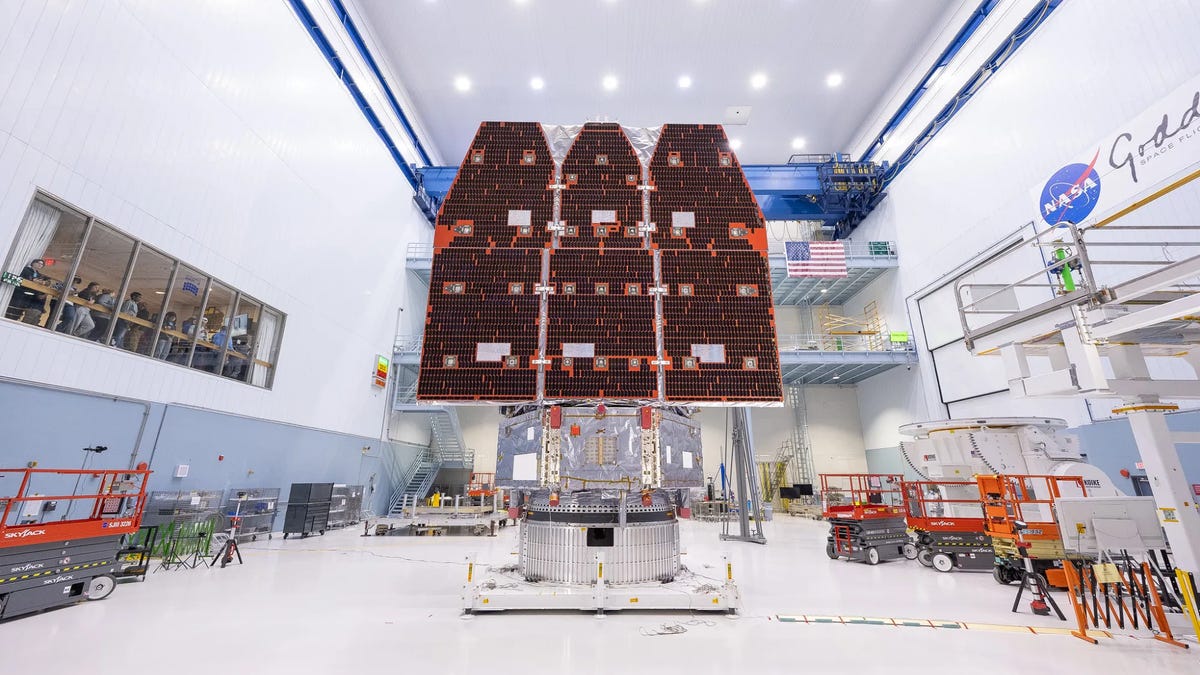
NASA Administrator Jared Isaacman recently defended significant overhauls to the Artemis lunar program. He stated these changes are critical for the United States to secure an advantage in the ongoing Moon race against China.
On April 22, Isaacman presented his case before U.S. lawmakers regarding the Artemis program. This initiative aims to return American astronauts to the Moon's surface, specifically targeting its South Pole, for the first time since 1972. The program also seeks to establish a sustainable long-term human presence on the lunar surface and in orbit, paving the way for future Mars missions. This ambition now faces increased urgency due to China's accelerated lunar exploration efforts, which include plans for its own crewed Moon missions within the decade.
Isaacman argued that the program's revised strategy is essential for the United States to land its astronauts on the Moon before China. He emphasized that the proposed "sweeping changes" streamline operations and optimize development timelines for critical components, including lunar landers and habitat modules. These adjustments aim to accelerate the overall schedule for a crewed lunar landing. He stressed the urgency of this competitive endeavor, stating that the difference between achieving lunar leadership and falling behind will be measured in months, not years. This declaration underscores the perception of a tight timeline in the space race.
The Administrator's statements highlight a clear escalation in geopolitical competition in space. The proposed program adjustments reflect a strategic pivot, prioritizing speed and efficiency to meet this competitive objective. A successful early return to the Moon could offer significant scientific, economic, and strategic advantages. It also establishes critical precedents for international collaboration and resource utilization in deep space. The international community will closely monitor both nations' progress as they advance their respective lunar programs, with each step potentially shifting the balance in this new space frontier.
Continue reading
More in this thread
SpaceX’s IPO Filing Tempers Musk’s Orbital AI Data Center Dreams
Alex Mercer
AI Boom Set to Quintuple U.S. Power Demand by 2029, Spur Grid Upgrades and Clean Energy Push
Alex Mercer
NordSpace Lands $183K Defence Contract to Kickstart 2028 VLEO Imaging Constellation
Alex Mercer
Conversation
Reader notes
Loading comments...