Nordic Wind Farms Face Month-Long Negative Prices as Renewable Overload Drives Power Below Zero
Overproduction of wind power in northern Sweden led to electricity prices below zero for 679 hours last year, posing a new challenge for renewable energy markets.
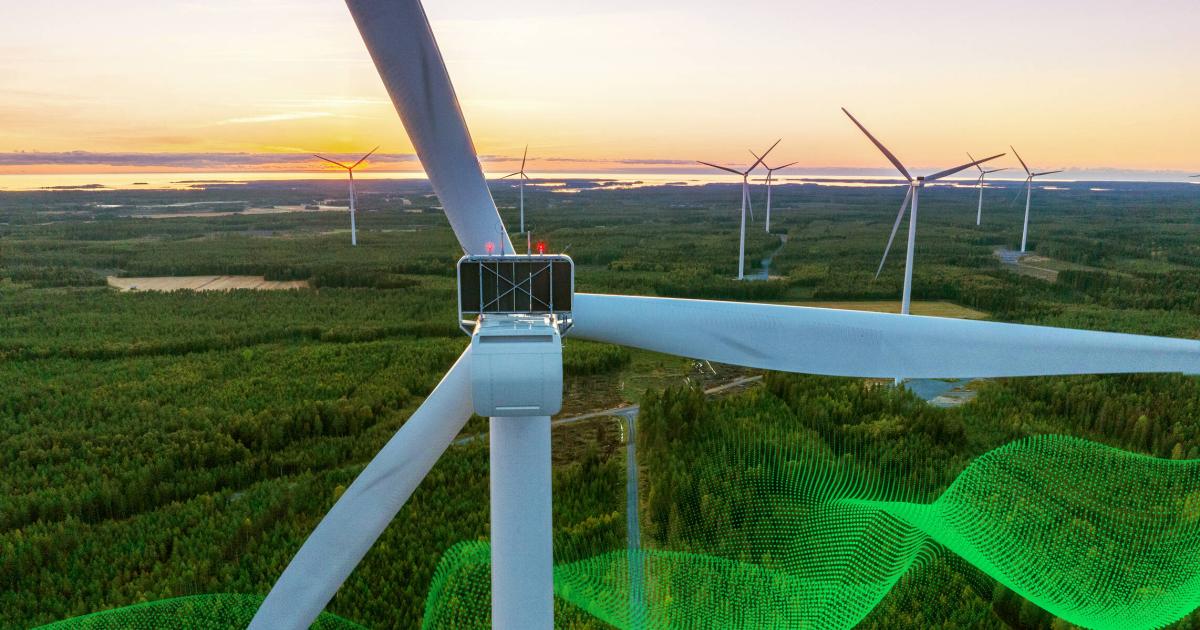
Kalax wind farm with aurora.
Northern Sweden's wind farms experienced electricity prices below zero for nearly a month last year, forcing producers to pay consumers to take excess power. This phenomenon highlights a challenge of overabundant renewable energy within a robust market.
The Nordic region's electricity market stands as a leading example for global energy transitions, successfully integrating significant renewable energy and stable infrastructure. This robust system relies on a market design that efficiently responds to shifts in supply and demand. Sweden exemplifies this achievement, generating 99% of its electricity from low-carbon sources, a share unequaled by any other nation in the European Union. This high reliance on sources like wind and hydropower contributes to a vast energy surplus.
Despite its environmental success, the Nordic market now faces a unique economic challenge: oversupply. In northern Sweden, electricity prices plunged below zero for 679 hours last year, a duration equivalent to nearly a full month. Negative prices occur when electricity generation significantly surpasses demand, compelling producers to pay grid operators or even consumers to accept the excess power and maintain grid stability. Sigbjørn Seland of StormGeo, an international weather and ocean forecasting company, observes that electricity prices have collapsed across significant portions of the Nordic market, specifically citing northern Sweden and Finland, due to this dynamic.
This unprecedented situation directly impacts the financial health of renewable energy projects. Wind farms, for instance, must continue producing clean power during these negative price periods, incurring losses for extended durations. While consumers may experience lower energy usage costs, their total electricity bills still include fixed grid fees and various taxes. The Nordic market's experience offers a critical preview for other regions accelerating their green energy transitions, illustrating the complex economic dynamics of managing periods of extreme renewable overproduction. Future strategies will require innovations in energy storage, advanced demand-side management, and enhanced grid integration to effectively harness and distribute surplus clean power.
Continue reading
More in this thread
Conversation
Reader notes
Loading comments...