NASA Cleanroom Fungus Proves Resilient to Mars Conditions
A new study reveals *Aspergillus calidoustus* spores, found in NASA cleanrooms, can endure simulated space and Martian conditions, informing planetary protection strategies.
TL;DR
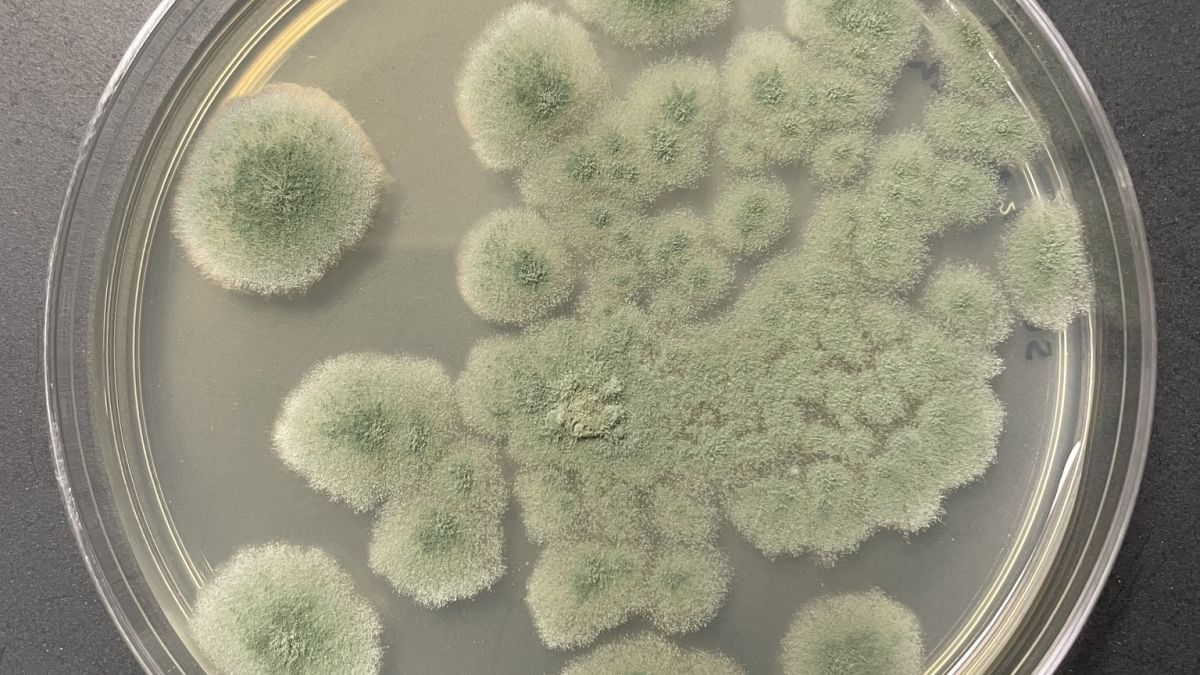
A fungal species, *Aspergillus calidoustus*, isolated from NASA cleanrooms, demonstrated the ability to survive simulated extreme conditions replicating space travel and Mars, informing future planetary protection efforts. Researchers quantified the resilience of these microbes, crucial for missions exploring other celestial bodies.
Protecting extraterrestrial environments from Earth-based contamination is a critical component of space exploration. NASA maintains stringent planetary protection protocols for spacecraft assembly to prevent the transfer of microbes. Fungi, known for their robust survival mechanisms, pose a particular challenge in these controlled environments.
Scientists investigating microbial resilience published findings this week in *Applied and Environmental Microbiology*. The study focused on *Aspergillus calidoustus*, a fungal species whose asexual reproductive spores, called conidia, were isolated from NASA cleanrooms. These facilities are specifically designed for the assembly, testing, and launch of spacecraft, emphasizing decontamination.
Researchers subjected these conidia to various simulated conditions mirroring the harshness of space travel and the Martian surface. The tests included extreme low atmospheric pressure, low temperatures, and high levels of ultraviolet and ionizing radiation. This methodology aimed to determine the limits of fungal survival.
The conidia of *Aspergillus calidoustus* tolerated most of these individual extreme conditions. They survived simulations of harsh pressure, temperature, and radiation encountered during interplanetary transit and on Mars. Only the combined application of extreme low temperature and high radiation proved lethal to the fungal spores, highlighting their extraordinary resilience.
This research provides quantitative data on potential microbial survival risks, according to study leader Kasthuri Venkateswaran, formerly with NASA's Jet Propulsion Laboratory. While a widespread contamination of Mars by Earth microbes is not considered likely, understanding this resilience is vital for future missions. The findings underscore the sophisticated survival mechanisms microorganisms possess.
The study positions *Aspergillus calidoustus* as a robust candidate for a microbe that could potentially endure the extreme conditions associated with spacecraft and persist on robotic systems exploring Martian terrain. This work informs NASA's ongoing refinement of planetary protection strategies and microbial risk assessments. Future investigations will likely focus on developing more effective decontamination techniques and further mapping microbial tolerance to combined environmental stresses.
Continue reading
More in this thread
Nordic Wind Farms Face Month-Long Negative Prices as Renewable Overload Drives Power Below Zero
Dr. Leo Tanaka
ORNL’s NEUROPix Project Gets DOE Funds to Put AI Inside Particle Detectors
Dr. Leo Tanaka
ORNL’s NEUROPix Project Brings AI‑Powered Pixel Detectors to Particle Physics
Dr. Leo Tanaka
Conversation
Reader notes
Loading comments...