Nigeria’s Hypertension Rate Hits 40%, Driving ₦122,000 Annual NCD Cost per Household
Hypertension now affects 40% of Nigerian adults, driving average yearly NCD out‑of‑pocket costs to ₦122,000 per household. Learn the facts, impacts and what to watch.
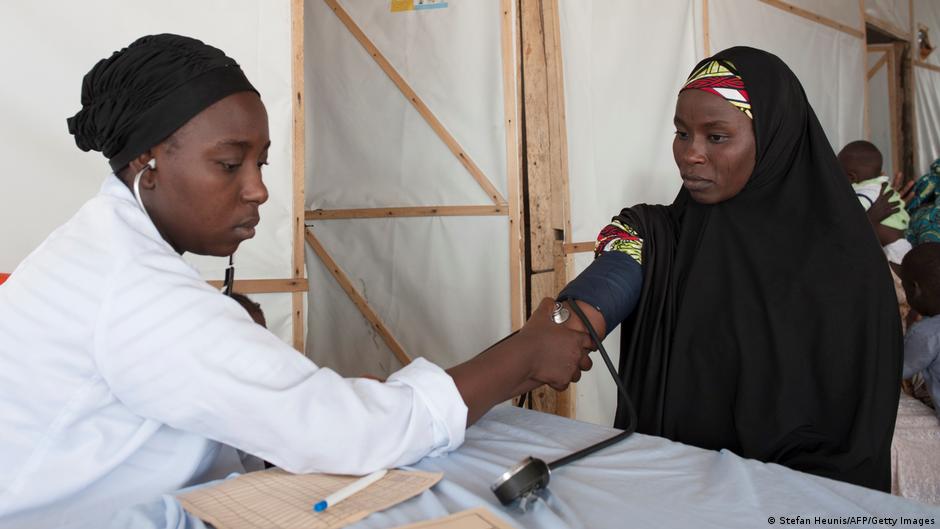
A woman gets her her blood pressure checked during a consultation (2017 file)
TL;DR
Hypertension now affects four in ten Nigerian adults, pushing yearly NCD costs to over ₦122,000 per household. The rise mirrors a broader surge in non‑communicable diseases that strains family budgets and national productivity.
Context Nigeria’s hypertension prevalence climbed from below 10 % in 1992 to 35 % in 2003 and reached about 40 % in recent surveys. These figures come from repeated cross‑sectional national health surveys, each sampling tens of thousands of adults. Urbanisation and the spread of processed foods high in salt, sugar and trans fats are driving the trend.
Key Facts - Hypertension affects roughly one in three adults, or 40 % of the population. - The average household spends about ₦122,000 annually out‑of‑pocket on NCD treatment. - Overall, 16.8 % of Nigerians live with at least one non‑communicable disease, including diabetes, cardiovascular disease, cancer and chronic respiratory illness. - Meta‑analyses of randomized trials with sample sizes exceeding 5,000 participants show that reducing sodium intake by 1 gram per day can lower systolic blood pressure by approximately 2 mm Hg.
What It Means High blood pressure raises the risk of stroke, heart failure and kidney disease, leading to costly hospital visits and lost income. Families often cut medication doses or skip doses when costs rise, worsening health outcomes. Preventive steps—choosing lower‑salt foods, reading nutrition labels, and increasing physical activity—can cut hypertension risk and reduce household expenses. Policymakers should consider expanding front‑of‑pack labeling, such as the Heart Mark logo, to help shoppers identify healthier options quickly.
What to watch next Monitor whether the Nigerian Heart Foundation’s labeling initiative expands nationwide and whether hypertension screening programs reach more rural communities over the next 12 months.
Continue reading
More in this thread
UK Gambling Overhaul Demanded After Manager’s Suicide Tied to Unlicensed Site Losses
Dr. Priya Sharma
Family Calls for UK Gambling Overhaul After Suicide Linked to Unlicensed Site Losses
Dr. Priya Sharma
Dr. Oz Urges Governors to Revalidate High-Risk Medicaid Providers as Fraud Dashboard Tops 500 Cases
Dr. Priya Sharma
Conversation
Reader notes
Loading comments...