Family Calls for UK Gambling Overhaul After Suicide Linked to Unlicensed Site Losses
Ellen Mulvey's family pushes for UK gambling reform after her suicide, following £10,000 losses on unlicensed sites, highlighting regulatory gaps.
TL;DR
The family of Ellen Mulvey seeks major changes to UK gambling regulations following her suicide. Mulvey's death occurred after significant losses on unlicensed gambling platforms.
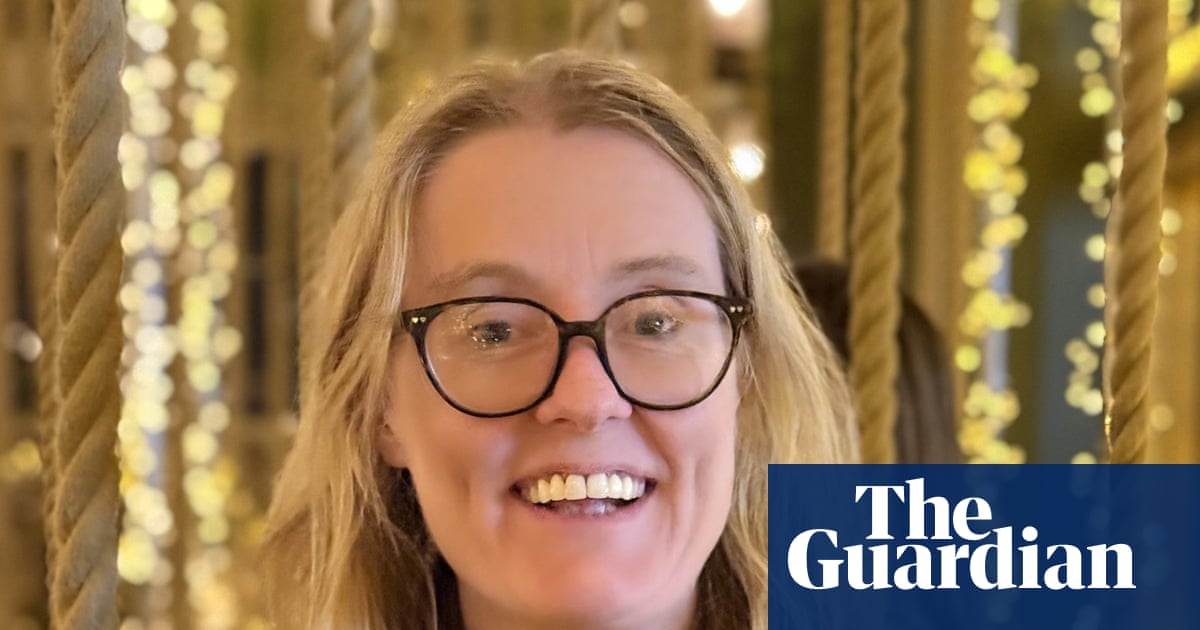
Ellen Mulvey, a 44-year-old financial executive, died by suicide on November 7. An inquest heard that longstanding gambling issues contributed to her death. Her family now advocates for comprehensive reform of the UK gambling industry.
In the weeks leading to her death, Mulvey lost approximately £10,000 gambling. Coroner Elizabeth Wheeler noted Mulvey's gambling problem was longstanding, continuing for many years. Mulvey had registered with Gamstop, a self-exclusion scheme for UK-licensed betting sites, but subsequently used unlicensed, international platforms. In a note, Mulvey described addiction as "the worst disease ever." These events highlight the risks associated with unregulated online gambling.
This case highlights a critical gap in current gambling safeguards. While Gamstop effectively blocks access to UK-licensed sites, it offers no protection from platforms operating outside UK jurisdiction. Mulvey's family advocates for a public health response to gambling-related harm, calling for enhanced regulatory oversight across the entire industry. This includes measures to prevent individuals from accessing unregulated platforms. For readers, understanding the distinction between licensed and unlicensed gambling environments is crucial, as regulatory protections and support options vary significantly.
Future discussions will likely focus on strengthening regulatory frameworks to address unlicensed gambling sites and enhance protections for vulnerable individuals in the UK.
Continue reading
More in this thread
UK Gambling Overhaul Demanded After Manager’s Suicide Tied to Unlicensed Site Losses
Dr. Priya Sharma
Dr. Oz Urges Governors to Revalidate High-Risk Medicaid Providers as Fraud Dashboard Tops 500 Cases
Dr. Priya Sharma
Measles Outbreak in Darfur Linked to Healthcare Collapse, Vaccine Delays
Dr. Priya Sharma
Conversation
Reader notes
Loading comments...