New Zealand Court Dismisses Christchurch Shooter’s Appeal Over Mental‑Health Claim
New Zealand's Court of Appeal dismisses Brenton Tarrant's mental‑health appeal, upholding his life‑without‑parole sentence for the Christchurch mosque attacks.
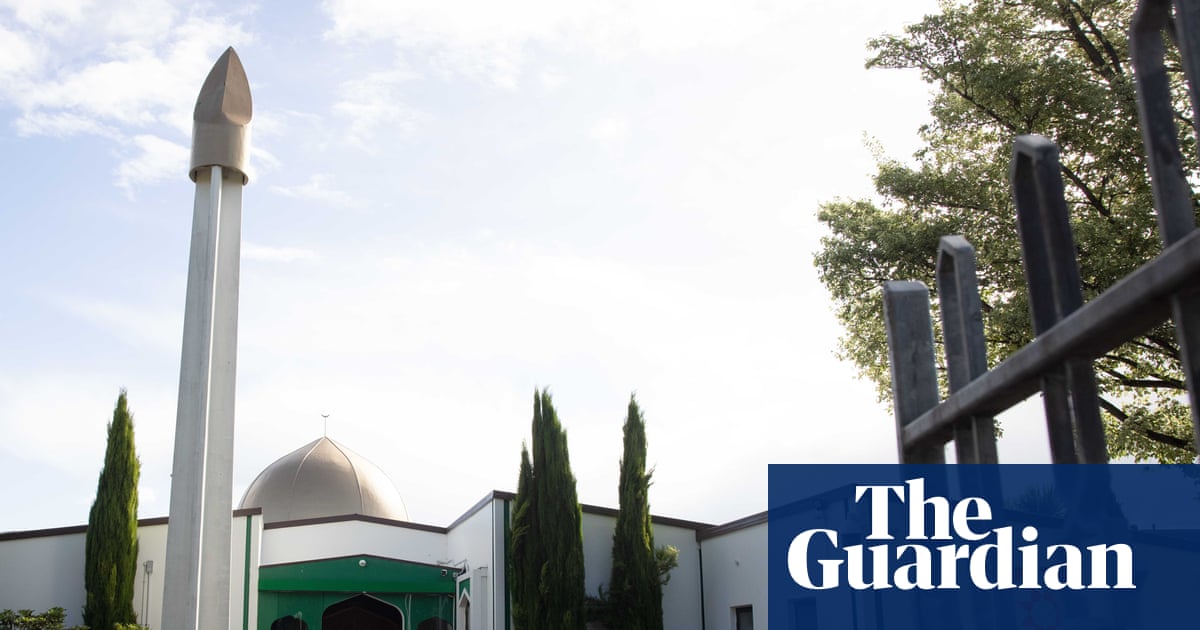
*TL;DR: New Zealand’s Court of Appeal rejected Brenton Tarrant’s bid to overturn his guilty pleas, labeling his mental‑health claim "utterly devoid of merit" and confirming his life‑without‑parole sentence.
Context In March 2020, Brenton Tarrant pleaded guilty to 51 murders, 40 attempted murders and a terrorism charge for the Christchurch mosque attacks that killed 51 worshippers. The attacks remain New Zealand’s deadliest mass shooting. In August 2020 he became the first person in the country sentenced to life imprisonment without the possibility of parole.
Key Facts - Tarrant filed a notice of appeal in February 2022, arguing that harsh prison conditions had damaged his mental health and forced his guilty plea. - The three‑judge panel found his evidence inconsistent with observations from prison staff, mental‑health professionals and trial lawyers. The court said he “endeavoured to mislead us about his state of mind” and that “all other evidence demonstrated that he made an informed and totally rational decision to plead guilty.” - Experts testified that Tarrant was fit to enter pleas and that his claims of “nervous exhaustion” were unsupported. The Crown’s lawyer described him as “an unreliable witness.” - The court also noted the delayed filing of the appeal, despite Tarrant’s access to legal counsel, and concluded the appeal lacked any legal basis. - The decision upholds the August 2020 sentence, the first life‑without‑parole term in New Zealand, and confirms that Tarrant was not coerced or pressured into pleading guilty.
What It Means The ruling closes the last procedural avenue for Tarrant to challenge his convictions or sentence. It reinforces the judiciary’s stance that mental‑health claims must be substantiated by credible evidence, especially in high‑profile terrorism cases. Survivors and families of the Christchurch victims see the decision as a final affirmation of accountability.
Future monitoring will focus on any further legal challenges from Tarrant and the ongoing coronial inquiry into the attacks, which continues to examine systemic failures and policy responses.
Continue reading
More in this thread
Seizure Death of Motorcyclist Sparks Police Outpost Burning in Ibadan
Nadia Okafor
Ukrainian Drone Strikes Spark Toxic Black Rain Over Russia's Tuapse Refinery
Nadia Okafor
ASP Nuhu Usman Arrested After Fatal Shooting of OG Millan and Alleged Force Order Breach
Nadia Okafor
Conversation
Reader notes
Loading comments...