Ukrainian Drone Strikes Spark Toxic Black Rain Over Russia's Tuapse Refinery
Three drone attacks on Russia's Tuapse refinery have triggered black rain, toxic fumes and a major environmental disaster.
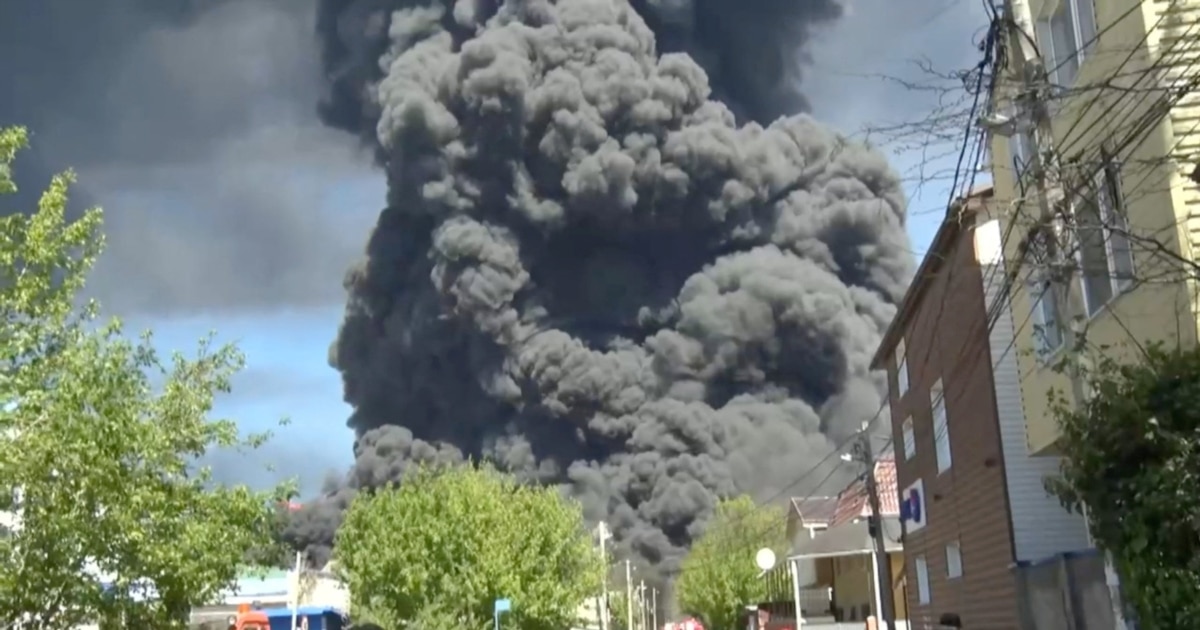
TL;DR: Three Ukrainian drone strikes on the Tuapse oil refinery have produced black rain, airborne toxins three times above safety limits and a large‑scale ecological crisis.
Context The Tuapse refinery, one of Russia’s biggest oil‑processing plants, has been hit three times in under two weeks. The attacks aim to cripple Russia’s fuel output and have turned the Black Sea town into a disaster zone.
Key Facts - April 16: the first drone hit ignited a fire that burned for two days. - April 20: a second strike sent a thick smoke plume skyward; the blaze lasted five days. Air testing after the blaze recorded benzene, xylene and soot concentrations at three times the legal safety threshold. Residents were ordered to stay indoors, seal windows and wear masks. - April 24: a third drone impact destroyed at least eight storage tanks, spilling petroleum into the Tuapse River, which carries the oil into the Black Sea. Emergency crews deployed over a dozen boats and installed containment booms along the shoreline. - Black rain, water droplets darkened by soot and ash, began falling on the town. Volunteers reported cars, train cars and animals coated in oily residue. - Volunteer Sergei Solovev, who drove 116 km from Sochi to assist, called the scene “an environmental disaster.” He described oil covering a 20‑kilometre coastline, soil saturated with toxic sludge and cleanup hampered by hard‑to‑reach terrain. - Cleanup workers must drink absorbent solutions every two hours, wear masks and chemical protection, and apply eye drops at the first sign of irritation. - Local environmentalists say some beaches have been covered with fresh pebbles to hide contamination rather than remove it. Green Alternative party chairman Ruslan Khvostov warned that oil settled in Black Sea sediments could disrupt the food chain for years, with biodiversity recovery taking five to ten years.
What It Means The repeated strikes have transformed a strategic industrial target into a public‑health emergency. Toxic fumes exceed safe limits, and black rain spreads oil onto land, water and wildlife, threatening fish, shellfish, birds and marine mammals. The scale of the spill suggests long‑term ecological damage that could persist for a decade.
Looking Ahead Monitor Russian response measures, international environmental assessments and any further attacks that could deepen the crisis.
Continue reading
More in this thread
Conversation
Reader notes
Loading comments...