Netanyahu's Secret UAE Visit Confirmed as Diplomatic Breakthrough
The covert meeting between Netanyahu and UAE President Sheikh Mohammed bin Zayed Al Nahyan signals a pivotal shift in Israel‑UAE relations amid the Iran war, with potential regional ripple effects.
TL;DR
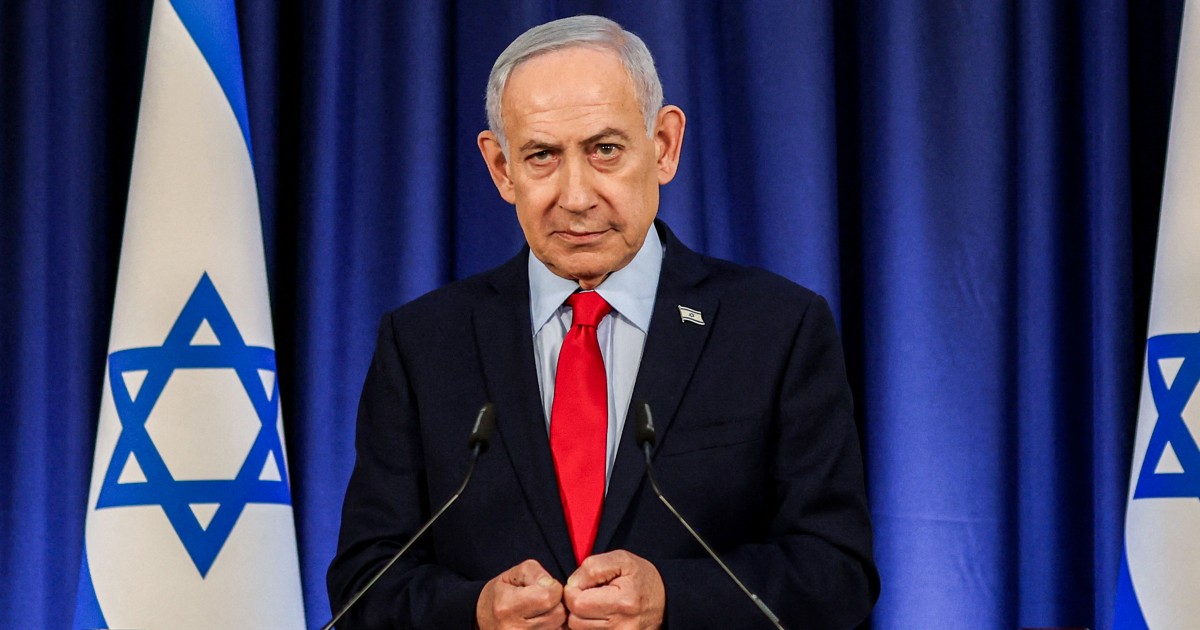
Israeli Prime Minister Benjamin Netanyahu slipped into the United Arab Emirates amid the Iran war for a secret meeting. His office confirmed the visit yielded a significant breakthrough in Israel‑UAE ties.
Context The Iran war has intensified regional security concerns, prompting Israel to explore discreet diplomatic channels with Gulf allies. The UAE, which established formal ties with Israel through the 2020 Abraham Accords, has positioned itself as a conduit for back‑channel talks. Netanyahu’s undisclosed trip highlights how both governments are seeking coordination despite the broader conflict. On Wednesday, Israeli officials said the prime minister traveled to Abu Dhabi without prior public announcement. The visit took place while Israeli forces were engaged in exchanges with Iranian‑backed groups across multiple fronts. The timing underscores the urgency felt by Jerusalem to secure regional support. Historically, Israeli leaders have used covert trips to test the waters with Gulf states before formalizing ties. These missions often precede public announcements and can shift the pace of normalization. The current visit fits that pattern, suggesting a calculated move rather than a spontaneous gesture.
Key Facts During the stay, Netanyahu met with UAE President Sheikh Mohammed bin Zayed Al Nahyan, a meeting confirmed by the Prime Minister’s Office. The discussion covered security cooperation, intelligence sharing, and potential economic projects, according to the statement. Officials described the encounter as a major step toward strengthening bilateral relations. The office characterized the meeting as a pivotal moment in Middle Eastern diplomacy, noting it could reshape alliances amid the Iran war. Analysts said the undisclosed nature of the visit reflects the sensitivity of the topics discussed. No details of any agreements were disclosed, but the tone was framed as constructive.
What It Means The confirmed engagement suggests Israel and the UAE are deepening their strategic partnership beyond the framework of the Abraham Accords. Observers anticipate that the talks may lead to joint intelligence initiatives aimed at countering Iranian influence. Such cooperation could also open doors for broader Gulf‑Israel collaboration on technology and energy. The development may encourage other Arab states to consider similar discreet overtures toward Israel, especially as the Iran war continues. Conversely, any public backlash could pressure the UAE to temper its outreach. The episode illustrates how covert diplomacy remains a tool for managing volatile regional dynamics. The engagement may also influence Washington’s calculations, as the United States seeks to build a united front against Iran. A stronger Israel‑UAE axis could affect U.S. arms sales and joint military planning in the region. Policymakers in Washington will likely monitor the outcome for cues on broader alliance structures. Analysts will watch for any joint statements, cooperative projects, or public announcements from Israel and the UAE in the coming weeks.
Continue reading
More in this thread
Speaker Abbas Calls for Expanded Saudi Scholarships Through Nigerian Parliament
Nadia Okafor
Fidelity’s $7 Trillion Clout Fuels Clarity Act Amid Collapsed Bipartisan Talks
Nadia Okafor
Beijing Tightens Security for Trump Visit Amid Wage Stagnation and Online Doubt
Nadia Okafor
Conversation
Reader notes
Loading comments...