Beijing Tightens Security for Trump Visit Amid Wage Stagnation and Online Doubt
Beijing braces for Trump’s state visit with security lockdowns, wage growth under 2%, and online skepticism about the trip’s effectiveness.
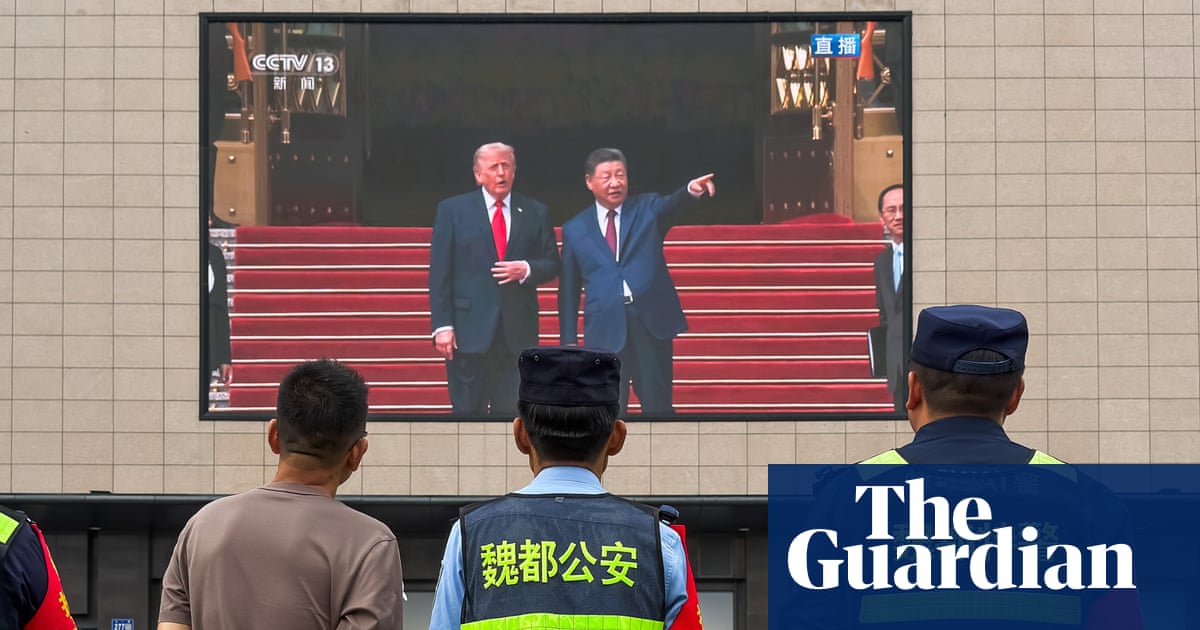
Beijing tightened security and closed historic sites as Donald Trump arrived for a state visit, while local wage growth stalled below 2% and online users voiced doubt about the trip’s impact.
The city’s streets are filled with extra police and barriers ahead of Trump’s scheduled tour of the Temple of Heaven on Thursday afternoon. Authorities shut the Ming‑dynasty complex to visitors starting Tuesday, citing the need to ensure a smooth visit. This comes as Beijing’s usual tourist flow is disrupted, reflecting the high stakes attached to the meeting between the US and Chinese leaders.
Wage growth in Beijing slowed to less than 2% in real terms last year, meaning after inflation adjustments workers saw minimal pay increases. The slowdown adds to broader economic concerns that have accompanied a rise in nationalist sentiment, fueled by state media and perceptions of US instability. Many residents say the visit will not change their daily financial pressures.
On Weibo, one user wrote that there’s no point discussing anything with Trump because he will change his mind after returning and his statements can shift from morning to afternoon. The comment captures a broader skepticism among some netizens who view the president as unpredictable and question whether diplomatic gestures will lead to concrete outcomes.
The visit underscores a moment when symbolic diplomacy meets domestic economic strain. While officials hope the talks will ease tensions, ordinary citizens remain focused on local issues such as wages and job security. Analysts will watch for any concrete agreements on trade or Taiwan and for shifts in public opinion after the leaders depart.
Continue reading
More in this thread
UN Urges Saudi Arabia to Free Briton Detained Over Old Social Media Posts
Nadia Okafor
Speaker Abbas Calls for Expanded Saudi Scholarships Through Nigerian Parliament
Nadia Okafor
Fidelity’s $7 Trillion Clout Fuels Clarity Act Amid Collapsed Bipartisan Talks
Nadia Okafor
Conversation
Reader notes
Loading comments...