Nepal Sets 30,000 MW Power Goal, Offers Shares Instead of Cash to Affected Communities
Nepal’s new policy targets 30,000 MW of power by 2035, offers equity stakes to displaced residents, and provides tax incentives to grow green hydrogen, ammonia and fertilizer sectors.
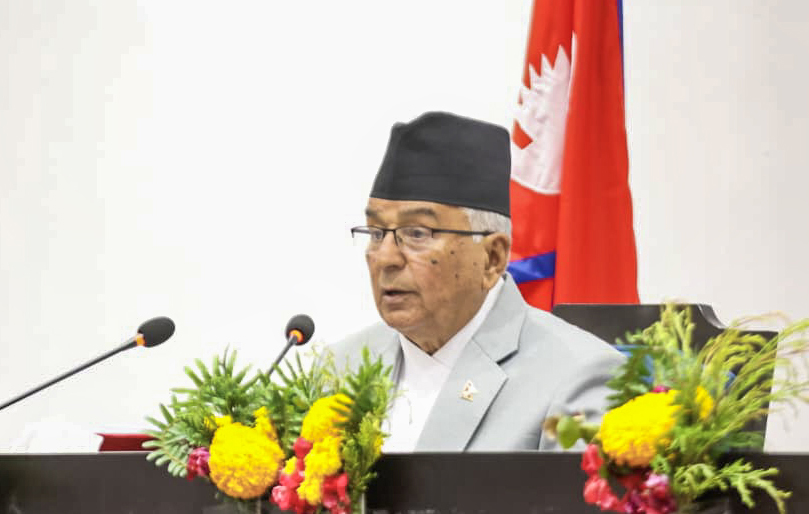
Govt.'s policies and programmes: Share investment option to forward hydropower projects
TL;DR
Nepal targets 30,000 megawatts of electricity by 2035 and offers project‑affected residents the choice to receive shares in hydropower firms instead of cash compensation. The policy also grants tax exemptions, reduced power rates and capital incentives to attract green hydrogen, ammonia and fertilizer industries.
Context For years, hydropower construction in Nepal has stalled as local communities protested over inadequate compensation and environmental concerns. The government now seeks to turn opposition into ownership by letting people invest directly in the projects that affect their land. By tying benefits to equity, officials hope to align incentives and speed up permitting.
The broader strategy also aims to make Nepal a regional exporter of clean power while nurturing domestic green‑industry clusters. The administration also pledged to revise energy, forest and land laws and introduce a one‑door clearance system to cut bureaucratic delays.
Key Facts The state plans to add 30,000 MW of generating capacity over the next decade. Affected citizens may opt for share investments in hydropower ventures rather than receiving cash payouts. To promote green hydrogen (hydrogen made with renewable electricity), green ammonia (ammonia produced using that hydrogen) and chemical fertilizer production, the package includes tax exemptions, concessional electricity rates, capital incentives and other investment‑friendly measures.
What It Means If the share‑investment option gains traction, it could reduce protest‑related delays and lower the fiscal burden of cash compensation. Equity stakes may also give locals a long‑term revenue stream from power sales, potentially increasing community support for future dams. Tax breaks and cheap power could attract foreign and domestic capital to nascent green‑hydrogen (hydrogen from renewables) and ammonia plants, positioning Nepal as a supplier for neighboring markets.
Success will depend on transparent share‑allocation mechanisms and reliable grid integration. Authorities will need to establish clear valuation methods for the shares to prevent disputes over fair compensation. Watch for the first round of share offers later this year and the pace at which green‑industry incentives translate into operational plants.
Continue reading
More in this thread
Japan Blocks MBK's Makino Deal, Signaling Tougher Security Review of Cross‑Border M&A
Elena Voss
Clearway Energy's $600 Million Honeycomb Center Adds 320 MW Storage and 150 Jobs to Utah Grid
Elena Voss
UK Driving Test Overhaul Bars Instructors, Limits Changes
Elena Voss
Conversation
Reader notes
Loading comments...