Nabiullina Cuts Russia's Key Rate to 14.5%, Vows Faster Return to 4% Inflation
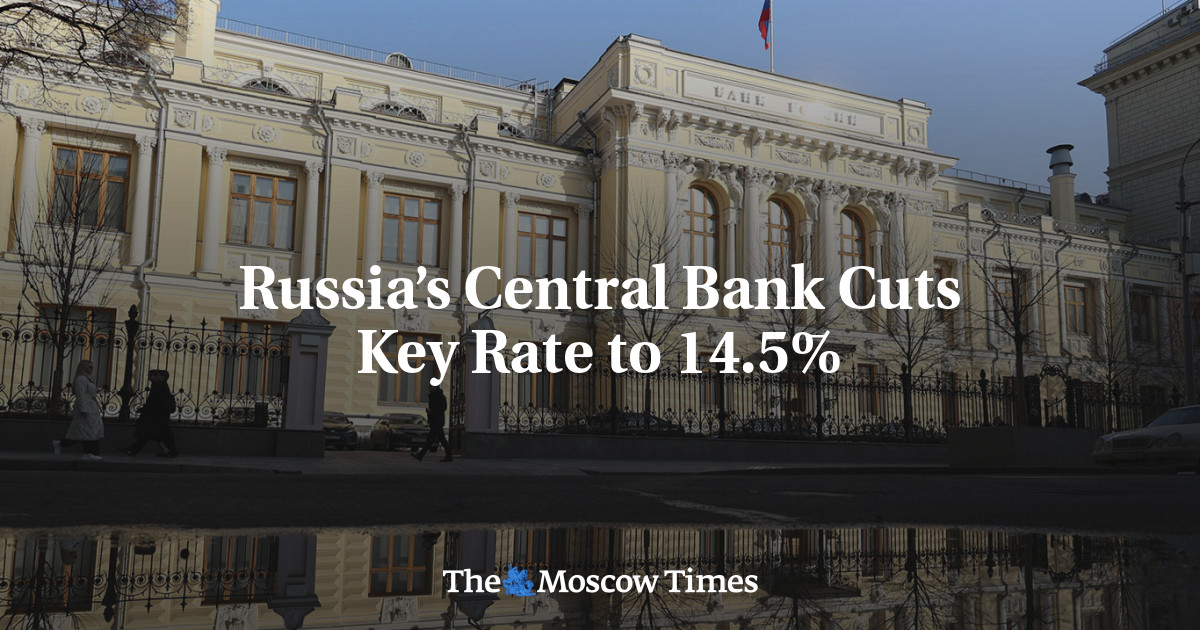
Russia's central bank reduced its key interest rate by 0.5% to 14.5%. Governor Nabiullina projects a rapid return to 4% inflation and observes easing labor market conditions.
TL;DR
Russia's central bank cut its key interest rate by 0.5 percentage points to 14.5%. Governor Elvira Nabiullina expressed certainty that inflation would return to 4% swiftly, outpacing the timeline of human space exploration.
Russia's central bank reduced its key interest rate by 0.5 percentage points, setting it at 14.5%. This decision adjusts the cost of borrowing for commercial banks, a mechanism influencing broader economic lending and investment. The central bank's board discussed maintaining the rate or implementing the 0.5-percentage-point cut, ultimately opting for the reduction despite acknowledging increased inflationary risks.
Central Bank Governor Elvira Nabiullina articulated a clear outlook for price stability. She asserted that annual inflation would return to 4%, stating confidently this would happen "much faster" than the five decades humanity needed to return to the Moon. This declaration underpins the bank's assessment of future price trends, even as core inflation has remained in a 4-5% range since the middle of last year.
Furthermore, Nabiullina observed an easing in the nation's labor market. She indicated that the current tightness in the market is adjusting, driven by multiple factors beyond traditional unemployment metrics. This suggests a more nuanced understanding of employment dynamics, influencing the bank's policy calibration.
The rate cut comes as the central bank monitors shifts in economic activity. Data for the first quarter showed a decline, but March and April figures suggest the economy is returning to growth, with business surveys indicating improved climate assessments. Despite this, the bank maintains that conditions for significantly sharper rate cuts or a sustained soft monetary policy are not yet met, requiring inflation to drop below target or a substantial rise in unemployment. Higher government expenditure, particularly through the budgetary channel, could also necessitate a tighter monetary policy to counter inflationary pressures, potentially narrowing the scope for private lending. The bank notes less confidence in the budget's contribution to disinflation than previously anticipated.
Market participants will continue to monitor the interplay between inflation data, central bank policy, and government fiscal decisions. Focus will remain on how swiftly inflation approaches the 4% target and any further adjustments to the key rate or budgetary parameters.
Continue reading
More in this thread
Transcorp Q1 2026 Profit Climbs 3% to ₦50.7bn Despite Revenue Dip to ₦125.1bn
David Amara
Banks Fund $159bn in Agri‑Food While Only Two Track Farm Methane in Climate Goals
David Amara
Only Two Banks Count Farm Emissions in Climate Targets Despite $159bn Agri‑Food Lending
David Amara
Conversation
Reader notes
Loading comments...