Banks Fund $159bn in Agri‑Food While Only Two Track Farm Methane in Climate Goals
Twenty‑five banks lent $159 billion to top meat, dairy and rice emitters, yet just two include agricultural emissions in climate targets.
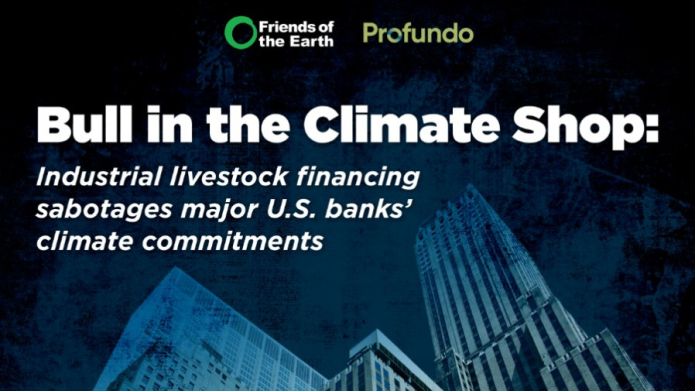
TL;DR Twenty‑five banks provided $159 billion in lending and underwriting to the 15 highest‑emitting meat, dairy and rice firms, but only two of those banks count agricultural sector emissions in their climate targets.
Context Planet Tracker surveyed 25 global banks that finance the biggest agri‑food polluters, including JPMorgan Chase (JPM), HSBC Holdings (HSBC), Barclays (BCS), Royal Bank of Canada (RY) and Citigroup (C). The 15 companies surveyed generate roughly 1.3 million metric tons of methane each year, about 7 % of global agricultural methane. Methane is over 80 times more potent than CO₂ over a 20‑year span and drives roughly 30 % of current warming.
Key Facts The banks’ combined lending and underwriting to those firms totaled $159 billion. JPM, HSBC, Santander, RBC and Barclays were the top five providers of that capital. Only two of the 25 banks—Barclays, which has UK dairy and livestock targets, and Rabobank, which covers ten agricultural sectors—include agricultural emissions in their climate frameworks. Report author Ailish Layden said banks should use their leverage to cut methane by restricting or withdrawing finance from companies that fail to act.
What It Means While direct loans appear on balance sheets, arranging bond issuance or syndicating loans (facilitated finance) often does not, letting banks meet lending‑only climate goals while still enabling debt for high‑emitters. Bonds make up an estimated 96 % of the surveyed companies’ total debt, meaning most climate‑relevant financing stays off‑balance‑sheet under current standards. Market data shows JPM’s market cap near $400 billion with shares up about 4 % year‑to‑date, HSBC around $150 billion up 2 %, BCS about $45 billion down 1 %, RY roughly $150 billion up 3 %, and C near $100 billion flat. On the agri‑food side, JBS (JBSS3) holds a market cap near $60 billion, up 5 % YTD, while Marfrig (MRFG3) is around $5 billion, down 3 % YTD. These figures illustrate the scale of capital flowing to methane‑intensive sectors and the gap between banks’ stated climate ambitions and their actual exposure.
What to watch next Regulators may push for broader scope‑3 methane disclosures, and investors will likely scrutinize whether banks extend their targets to cover facilitated lending in the coming reporting cycles.
Continue reading
More in this thread
Transcorp Q1 2026 Profit Climbs 3% to ₦50.7bn Despite Revenue Dip to ₦125.1bn
David Amara
Only Two Banks Count Farm Emissions in Climate Targets Despite $159bn Agri‑Food Lending
David Amara
South Africa Proposes 30-Day Crypto Declaration Rule With Up to 5-Year Jail Penalties
David Amara
Conversation
Reader notes
Loading comments...