Musk-Altman trial reveals Altman's $1.5bn Helion stake, judge's tight schedule, trustworthiness clash
The Musk‑Altman trial disclosed Sam Altman’s Helion Energy stake above $1.5 billion, detailed Judge Gonzalez Rogers’s strict break schedule, and highlighted Altman’s brief trustworthiness answer.
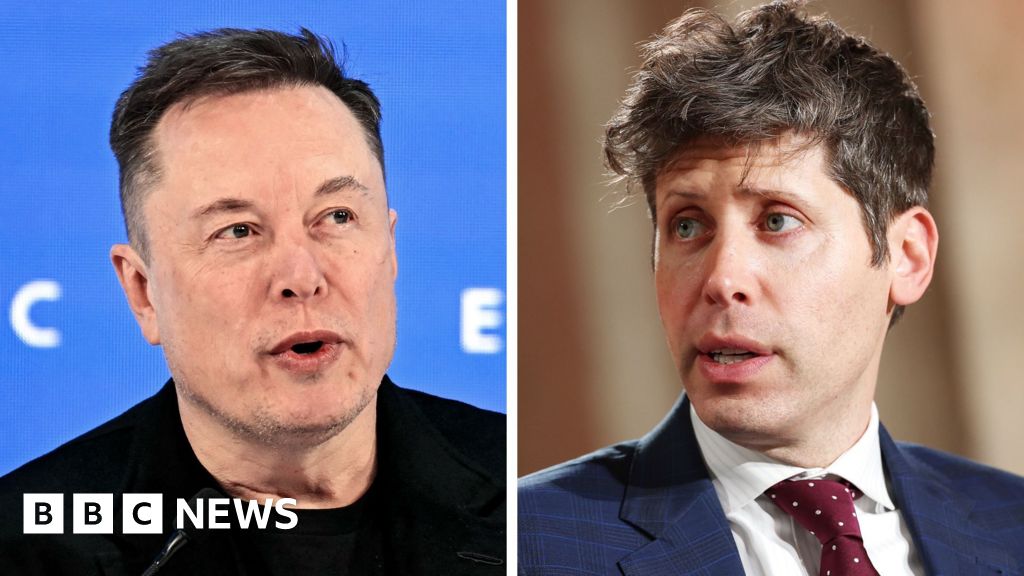
A composite image of Elon Musk on the left and Sam Altman on the right.
TL;DR: The Musk‑Altman lawsuit revealed Sam Altman’s Helion Energy stake valued above $1.5 billion, showed Judge Gonzalez Rogers imposing only two 20‑minute breaks a day with no lunch, and featured Altman’s brief reply when asked if he is completely trustworthy: “I believe so.”
Context
The case unfolded in a federal court in California over three weeks, with Elon Musk alleging that Altman misled him about OpenAI’s nonprofit commitments. Testimony came from prominent tech figures, including OpenAI co‑founder Ilya Sutskever, former board member Tasha McCauley, and Microsoft CEO Satya Nadella, who noted his firm’s extensive due diligence before investing billions in OpenAI. Microsoft appears as a co‑defendant, accused by Musk of aiding and abetting the alleged scheme. The trial also touched on Musk’s claim that Altman “stole a charity,” a sum Musk himself describes as tiny relative to his wealth.
Key Facts
Court records show Altman holds a stake in Helion Energy valued at more than $1.5 billion; he served as chairman of Helion’s board until recently and the startup has yet to deliver any power. A power‑purchase agreement between OpenAI and Helion was flagged as potentially worrisome given the lack of delivered energy. Judge Gonzalez Rogers maintained a strict schedule, allowing only two 20‑minute breaks each day and denying a lunch break to keep participants alert; she also admonished those who took photographs or asked off‑limits questions, and once deadpanned about federal funding when audio problems arose. During cross‑examination, Musk’s lawyer Steven Molo asked Altman if he is completely trustworthy; Altman answered, “I believe so,” and later sought to amend his reply to “yes.” The exchange highlighted broader scrutiny of Altman’s candor, fueled by a recent New Yorker profile and testimony from former OpenAI board members and executives who described instances where they felt he was not fully forthcoming.
What It Means
The size of Altman’s Helion stake raises questions about possible conflicts of interest, especially given his prior board role and the ongoing power‑purchase talks between OpenAI and the fusion company. The judge’s tight timetable reflects a courtroom prioritizing efficiency, limiting downtime for lawyers, jurors, and observers. Altman’s brief trustworthiness answer became a focal point for assessing his credibility as the jury deliberates. Observers should watch for the jury’s verdict, any subsequent appeals, and how the outcome might influence OpenAI’s governance, Altman’s future investments, and the broader conversation about transparency in high‑stakes tech ventures.
Continue reading
More in this thread
Conversation
Reader notes
Loading comments...