Microchip Scan Brings Lost Georgia Cat Home After 7‑Year Cross‑Country Trek
A microchip scan linked a stray cat to his Georgia family, reuniting them after a 2,300‑mile, seven‑year journey. Learn how pet microchips can prevent permanent loss.
TL;DR
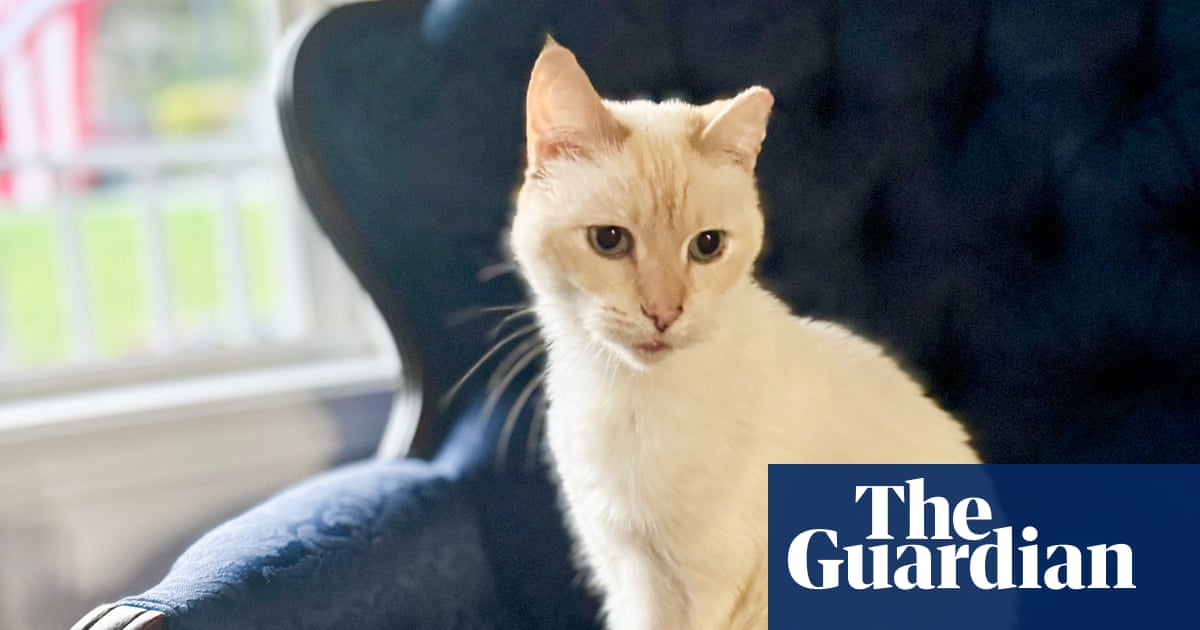
A microchip scan identified Dodger as the missing family cat, enabling his return to Georgia after a seven‑year, 2,300‑mile odyssey.
The Davidson‑Orozco family thought they had lost more than a pet when Dodger vanished during a move from Clovis, California, to Florida in 2018. The cat escaped from a friend’s vehicle and disappeared for over seven years, while the family mourned the loss of their father and the upheaval of relocation.
In February, a stray cat matching Dodger’s description was captured in Madera, California, about 31 miles from his original home. Veterinarians at Fresno Trap and Release (a nonprofit that traps, neuters and releases stray cats) scanned the animal and found a microchip that linked him to the Davidson‑Orozco household. The microchip—a tiny implanted device that stores an owner’s contact information—enabled the nonprofit’s director, Sydney Sherman, to contact the family.
Sherman offered to transport Dodger to the United States, first flying to Florida for a wedding and then arranging a hand‑off in Calhoun, Georgia, more than 2,300 miles from the cat’s capture site. The family drove seven hours to meet her at 5 a.m., retrieved Dodger, and began the long drive back north.
Dodger arrived home still displaying the “sweet, cuddly, social temperament” his owners remembered. Amber Davidson‑Orozco said he still responds to his name and allows her sons to flip him over their shoulders, a behavior that feels like a piece of their childhood returned. The reunion, covered by national media, underscores the practical value of microchipping pets.
Microchipping provides a permanent ID that cannot be lost like a collar. In Dodger’s case, the chip survived neutering, vaccination and years of stray life, ultimately bridging a gap of seven years and thousands of miles. Veterinarians estimate that over 30 % of lost pets are recovered through microchip scans, a figure that rises when owners keep contact details up to date.
For the Davidson‑Orozco family, the cat’s return offers emotional closure after a period marked by loss and displacement. Amber urges other pet owners to microchip their animals, noting that “situations happen” and a simple chip can prevent a permanent goodbye.
What to watch next: Adoption and rescue groups are lobbying for legislation that would require microchips for all companion animals in several U.S. states. Follow the debate as lawmakers consider mandatory pet identification measures.
Continue reading
More in this thread
Conversation
Reader notes
Loading comments...