Cape Verde Leverages $6 Million Culture Budget to Shape AI‑Music Policy
Cape Verde's tiny culture budget drives AI‑music policy, balancing innovation with authenticity concerns across Africa's music scene.
TL;DR: Cape Verde’s $6 million culture budget fuels an AI‑music strategy that balances innovation with the need to preserve authentic African sound.
Context The Atlantic Music Expo in Praia spotlighted artificial intelligence as both tool and challenge for African musicians. Delegates heard from artists, tech founders, and policymakers about how AI can amplify reach without erasing local identity.
Key Facts Cape Verde’s culture ministry operates on a $6 million budget, under 1% of the country’s total spending. Minister Augusto Jorge de Albuquerque Veiga insists artists must “work with” AI, warning that synthetic systems cannot replace cultural authenticity. He is lobbying for additional funds from tourism taxes and diaspora bonds aimed at the nation’s sizable expatriate community in Boston and Lisbon.
Nigerian singer‑songwriter Fave recently reclaimed an unauthorized AI‑generated version of her track by releasing an official remix that incorporated the AI choir. Lagos‑based entertainment lawyer Oyinkansola Fawehinmi called the move “smart and very business aware,” highlighting a growing model where creators turn viral AI copies into revenue.
At the expo, AI startup Sona demonstrated a text‑prompt tool that refines songs while training on local music data, a claim that it avoids the homogenisation typical of generic AI models. Co‑founder José Moura argued the technology amplifies, rather than erases, regional sounds.
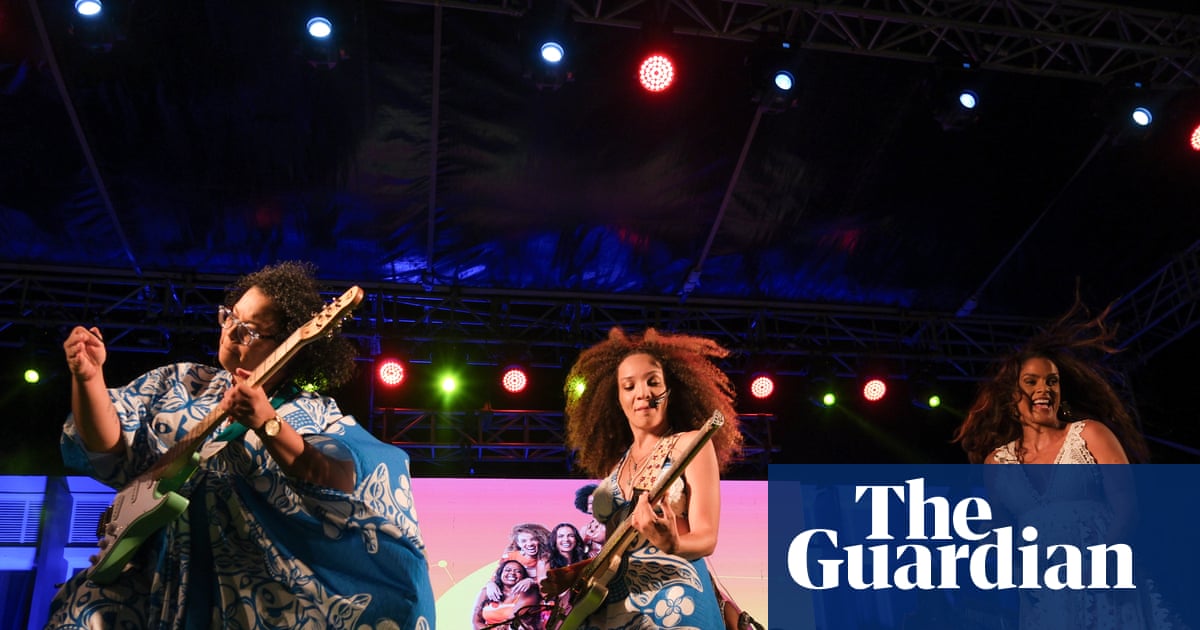
Brazilian ensemble Sambaiana and vocalist Rayra Mayara underscored that live performance still delivers emotions AI cannot replicate. Their statements reinforced the expo’s message that AI should complement, not replace, human creativity.
What It Means Cape Verde’s modest cultural funding is being stretched to create a regulatory and support framework that could become a template for other African nations facing weak intellectual‑property protections. By pairing limited public money with diaspora financing and targeted AI tools, the country aims to keep its music scene competitive while safeguarding the unique voices that define it. The next test will be how effectively these policies translate into sustainable income for indie artists across the continent.
Continue reading
More in this thread
Conversation
Reader notes
Loading comments...