Mick Jagger and Eric Clapton Help Block 29‑Storey Thames Tower
Celebrities Mick Jagger and Eric Clapton helped stop a 29‑storey tower on the Thames after Wandsworth Council rejected the plan for its height and impact.
TL;DR
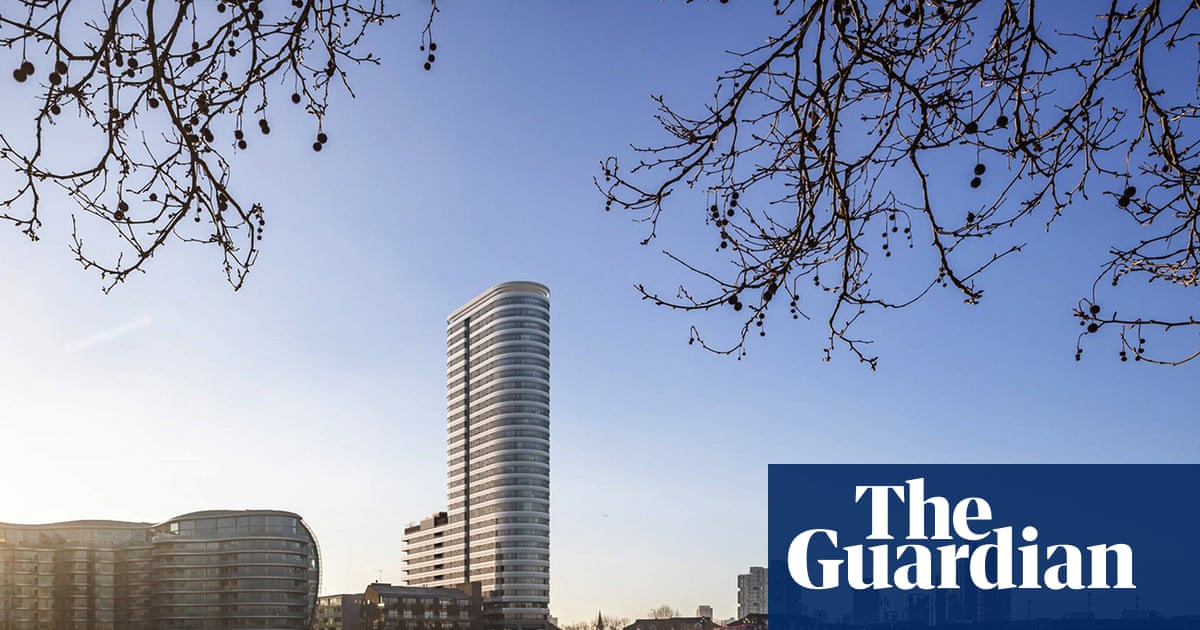
Mick Jagger and Eric Clapton joined a local coalition to stop a 29‑storey, 100‑metre tower on the south bank of the Thames; Wandsworth Council and a planning inspector ruled the scheme unacceptable.
Context A developer’s plan to erect a 29‑storey tower beside Battersea Bridge sparked a two‑year legal battle. The proposal would have added 110 flats, including 54 affordable units, and underground parking to a stretch of riverfront already dominated by the historic Battersea Power Station chimneys. High‑profile residents—rock legends Mick Jagger and Eric Clapton, actress Felicity Kendal and comedian Harry Hill—joined local opponents to challenge the project.
Key Facts Wandsworth Council rejected the scheme, citing “excessive height and scale” that would “significantly harm the spatial character” of the riverside. The council warned the tower would spoil the skyline and “devastate” neighbours’ lives. The Greater London Authority backed the decision. A planning inspector upheld the council’s view, describing the tower as “overbearing” and harmful to townscape character from multiple viewpoints. The inspector noted the building would be “taller and bulkier than other existing buildings” and would appear “alien and isolated” in the location.
Mick Jagger, who has lived on the north bank of the Thames since the 1960s, called the tower “totally wrong on every level” and said it made “no sense.” He warned that approval could trigger a wave of tall developments that would permanently alter the riverside. Eric Clapton echoed the concern, warning that the plan would open a “free‑for‑all for other developers to build towers along the river,” adding that developers care only about profit.
Rockwell Property, the developer, argued the project addressed an “urgent need for new, high‑quality housing” in London and highlighted the involvement of renowned architects Farrells. After the appeal was dismissed, the developer expressed disappointment but maintained confidence in the design’s quality.
What It Means The decision reinforces the power of local opposition and high‑profile advocacy in shaping London’s skyline. It also signals that future riverfront projects will face stricter scrutiny over height, visual impact and community benefit. Developers eyeing the Thames corridor will need to balance density goals with the area’s historic character.
Looking ahead, watch for new proposals that attempt to meet housing targets while respecting the visual and spatial constraints highlighted by this case.
Continue reading
More in this thread
Conversation
Reader notes
Loading comments...