High Court Overturns OfS £500,000 Fine on University of Sussex
High Court quashes OfS fine on University of Sussex, citing bias and jurisdictional errors. What this means for England’s higher education regulator.
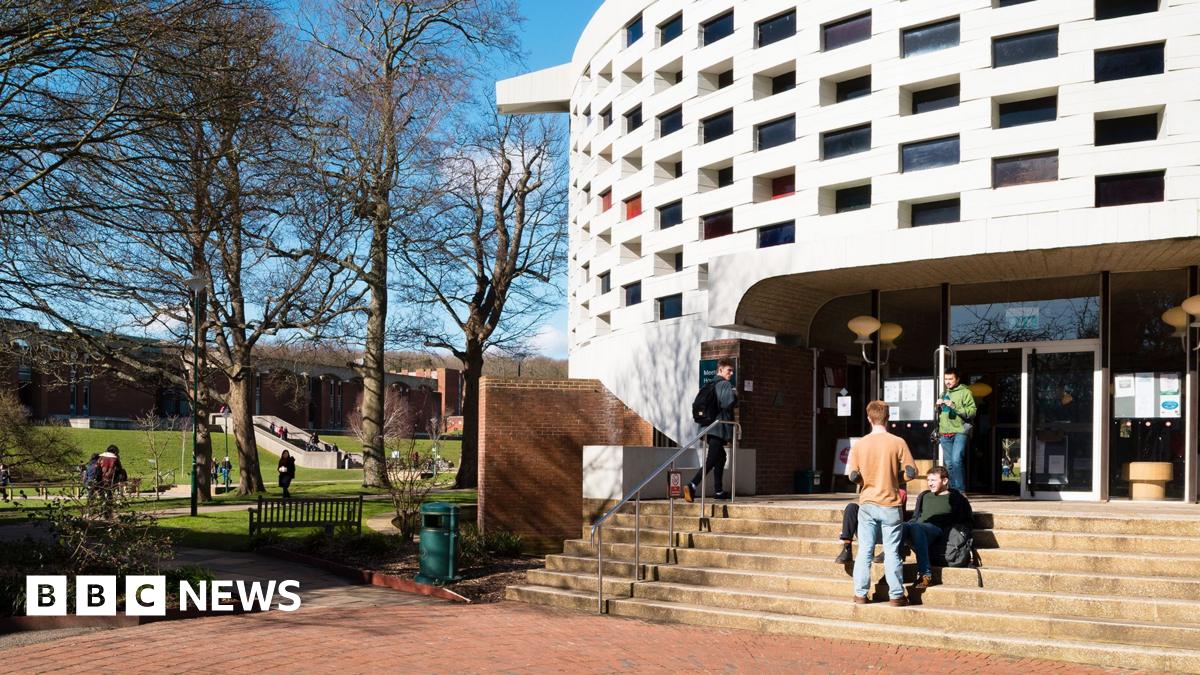
University campus showing students on steps and a white concrete building, with green space outside
TL;DR
The High Court rejected the Office for Students’ £500,000 fine against the University of Sussex, ruling the regulator acted with bias and exceeded its authority. The decision underscores persistent shortcomings in OfS oversight.
Context
England’s Office for Students (OfS) is the statutory body tasked with regulating higher education and protecting student interests. Since its creation, the regulator has faced criticism for slow responses and limited enforcement power. The Sussex case became a high‑profile test of its ability to handle disputes involving academic freedom and controversial speech.
Key Facts
The High Court dismissed OfS’s attempt to fine the University of Sussex more than £500,000 for regulatory failings linked to Kathleen Stock’s tenure. Susan Lapworth, then OfS chief executive, launched the investigation into Sussex in 2021. In December the OfS announced its own investigation into the matter, months after the court’s ruling.
What It Means
The judgment reveals that OfS moved hastily, allowing perceived predetermination to taint its process. By throwing out the fine on bias and jurisdictional grounds, the court signals that the regulator must improve procedural fairness and evidence‑based decision‑making. The case adds to a pattern where OfS has struggled to address sector‑wide issues such as risky loan‑dependent colleges and management failures at other institutions.
What to watch next: whether the new OfS leadership under Ruth Hannant and Polly Payne will tighten internal controls and restore confidence among universities and students.
Continue reading
More in this thread
Iranian Nobel Laureate Narges Mohammadi Faces Death Risk After 20 kg Weight Loss and Suspected Heart Attack in Prison
Nadia Okafor
Fed Holds Rates Steady at 3.5-3.75% Amid Political Pressure and Market Moves
Nadia Okafor
Armed Herdsmen Influx Raises Food Security Fears in Benue’s Logo LGA
Nadia Okafor
Conversation
Reader notes
Loading comments...