London Council Blocks 29‑Storey Thames Tower After Jagger and Clapton Opposition
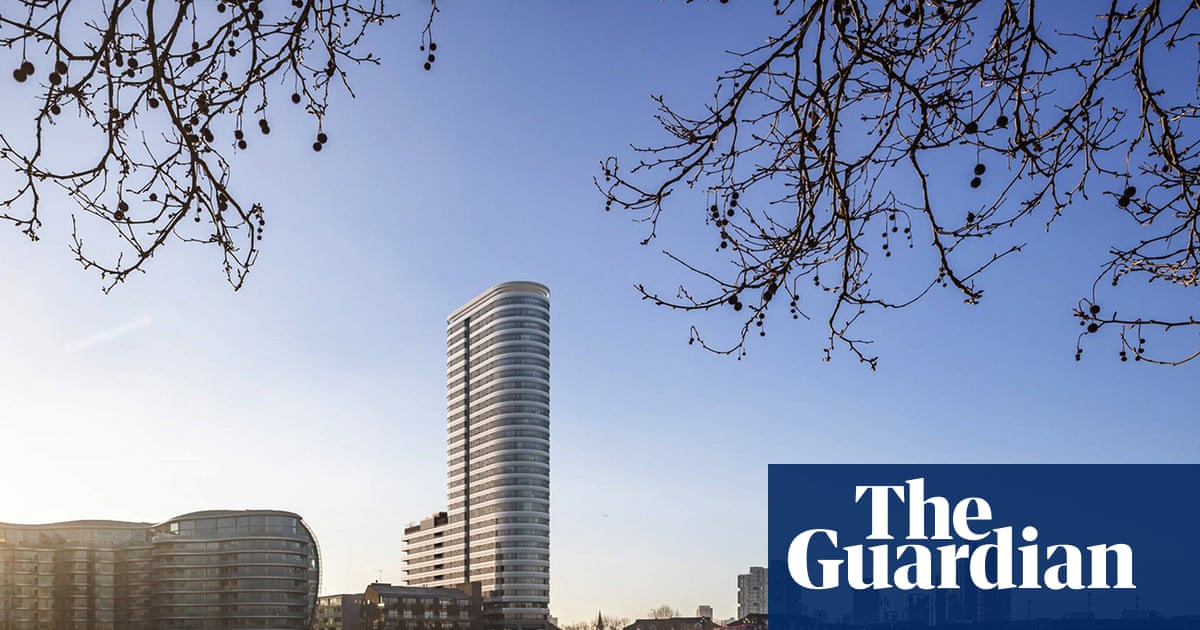
Mick Jagger and Eric Clapton helped stop a 29‑storey tower on the Thames after a planning inspector ruled it would harm the area’s character, upholding Wandsworth Council’s rejection.
TL;DR
Mick Jagger and Eric Clapton helped stop a 29‑storey tower planned for the Thames south bank after a planning inspector found it would harm the area’s character. Wandsworth Council’s rejection was upheld, marking a rare win for celebrity‑led local opposition.
Context
The proposal came from Rockwell Property, which originally sought a 34‑storey block with 142 flats before scaling back to 110 units, including 54 affordable homes. The site sits beside Battersea Bridge, where the tower would have matched the height of the iconic Battersea Power Station chimneys. Local residents, including longtime residents Jagger and Keith Richards, argued the project would alter the riverside skyline permanently and set a precedent for taller buildings along the waterfront. The plan also included underground parking and a mix of commercial spaces, which the developer said addressed an urgent need for new housing in London.
Key Facts
Jagger told the Chelsea Citizen the tower made “no sense” and was “totally wrong on every level.” Clapton warned that approval would trigger a “free‑for‑all” of riverfront towers, saying developers care only about money. Planning inspector Joanna Gilbert ruled the scheme would have adverse effects on the local area’s character and would appear overbearing, noting it would be taller and bulkier than surrounding buildings and damage views from multiple angles. She added that the proposal was not exemplary or distinctive, just tall, and would appear alien in its setting, harming the spatial character of the area.
What It Means
The decision reinforces the threshold height that planners consider acceptable along this stretch of the Thames, signalling that future proposals must respect the existing low‑rise character. It also shows that high‑profile opposition can influence planning outcomes when backed by substantive inspector reports. Developers may now need to redesign schemes with lower profiles or seek alternative sites, potentially shifting focus to brownfield locations elsewhere in the city. Local groups see the outcome as a benchmark for protecting historic views and community amenity against speculative high‑rise projects.
What to watch next
Whether Rockwell Property will appeal the inspector’s ruling to the Secretary of State or pursue a revised, lower‑rise development on the same parcel.
Continue reading
More in this thread
Conversation
Reader notes
Loading comments...