Large Hydropower Dams Threaten Communities Without Inclusive Planning
New research warns that big dam projects repeat past harms unless local voices shape decisions, highlighting the need for community-led planning.
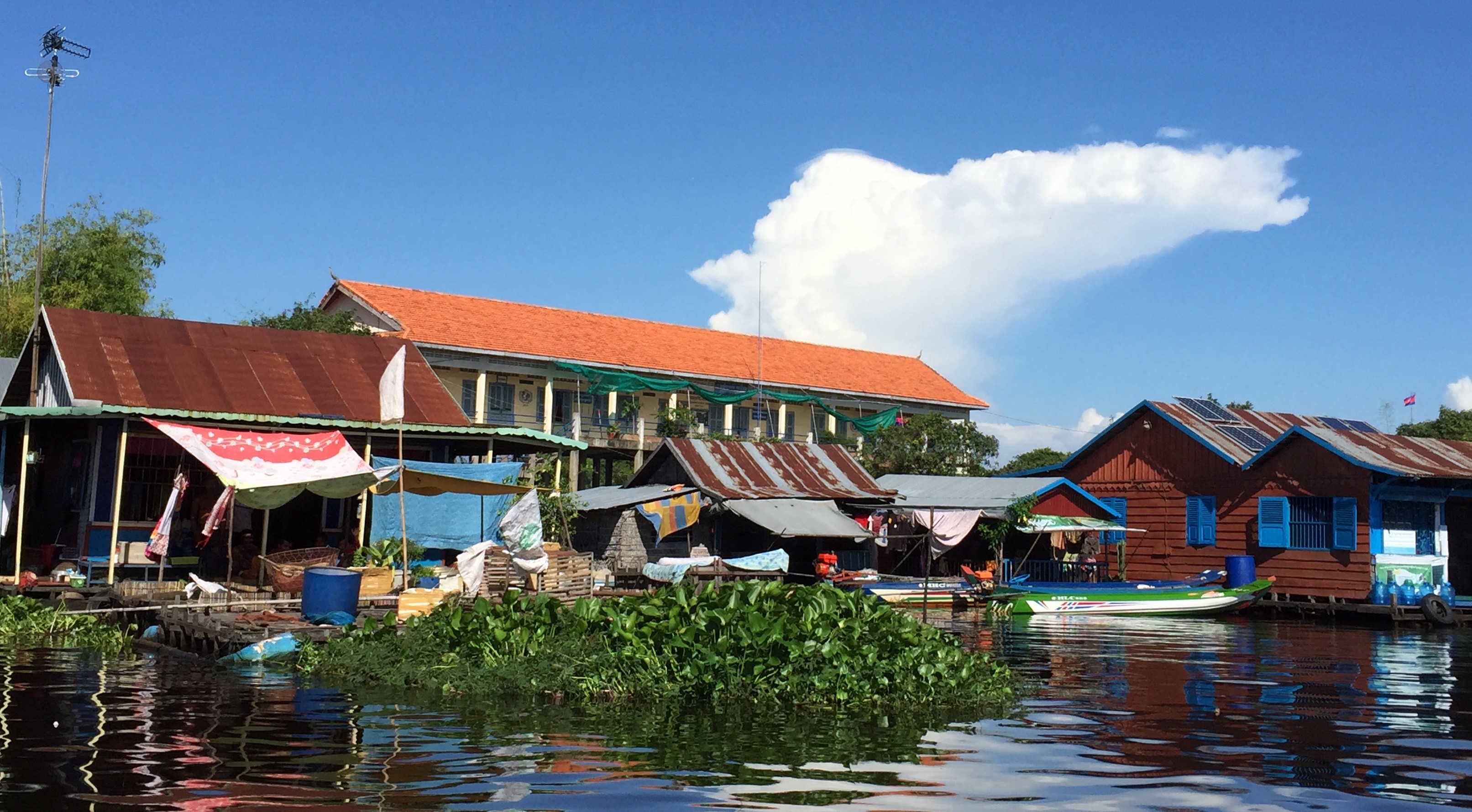
Floating village on Tonle Sap Lake, Cambodia. The water level of the lake changed dramatically in recent years due the combined impacts of climate change, land transitions, and dam constructions in the region, affecting agriculture, fishery, and the ecosystem that the local people rely on for their livelihood. Photo taken by Peilei Fan in November 2015.
TL;DR
A study in *Nature Sustainability* finds that large‑scale hydropower dams continue to damage ecosystems and livelihoods when communities are excluded from planning.
Context Hydropower now provides over 50 % of the world’s renewable electricity. As the United States and other nations push for clean‑energy expansion, big dams are often promoted as reliable sources. Yet past projects have left rivers altered, fisheries collapsed, and local economies shattered.
Key Facts Researchers from Michigan State University examined 120 dam projects built since 2000 in the Global South. They combined satellite‑derived river flow data, biodiversity surveys, and interviews with 1,800 residents near 30 sites. The analysis showed that 78 % of projects failed to meet the World Commission on Dams’ 2000 guidelines for minimizing social and environmental harm. In 62 % of cases, fish catches dropped by more than 40 % within five years of dam completion, and 54 % of households reported loss of primary income.
Lead author Emilio Moran, a distinguished professor of geography, notes that “countries building large‑scale hydropower often forget to ensure that damages are minimized in local communities.” The study highlights that top‑down decision‑making ignores proven alternatives such as the “prosumer” model, where local and Indigenous groups both generate and consume electricity. Co‑author Sergio Villamayor‑Tomas explains that this approach can democratize power systems and give affected people a stake in the benefits.
What It Means The findings suggest that simply adding more turbines will not guarantee sustainability. Instead, planners should assess entire river basins, involve community leaders from the outset, and adopt horizontal governance—shared responsibility among governments, utilities, and residents. Existing technologies like small‑scale run‑of‑river turbines and community micro‑grids can increase renewable output while preserving ecosystems.
Maria Claudia Lopez, an associate professor at MSU, stresses that the tools for a better path already exist. The challenge now is political: will investors and policymakers adopt inclusive frameworks before the next wave of dams reshapes more rivers?
Watch next How upcoming policy proposals in the U.S. and Brazil incorporate community‑led governance into new hydropower projects.
Continue reading
More in this thread
Penn State’s Zero‑Gap Reactor Converts CO₂ and Renewable Power into Methane with 95% Coulombic Efficiency
Dr. Leo Tanaka
California’s $100 Million Satellite Program Stops 20+ Methane Leaks, Boosts Credit Value 40%
Dr. Leo Tanaka
EU Plan to Tax International Flights Could Add €45 to Ticket Prices by 2030
Dr. Leo Tanaka
Conversation
Reader notes
Loading comments...