Kansas Extends Naloxone Shelf Life to Ten Years, Effective 2026
Kansas will allow naloxone use up to ten years past expiration starting July 1, 2026, aiming to cut costs and maintain overdose‑reversal access.
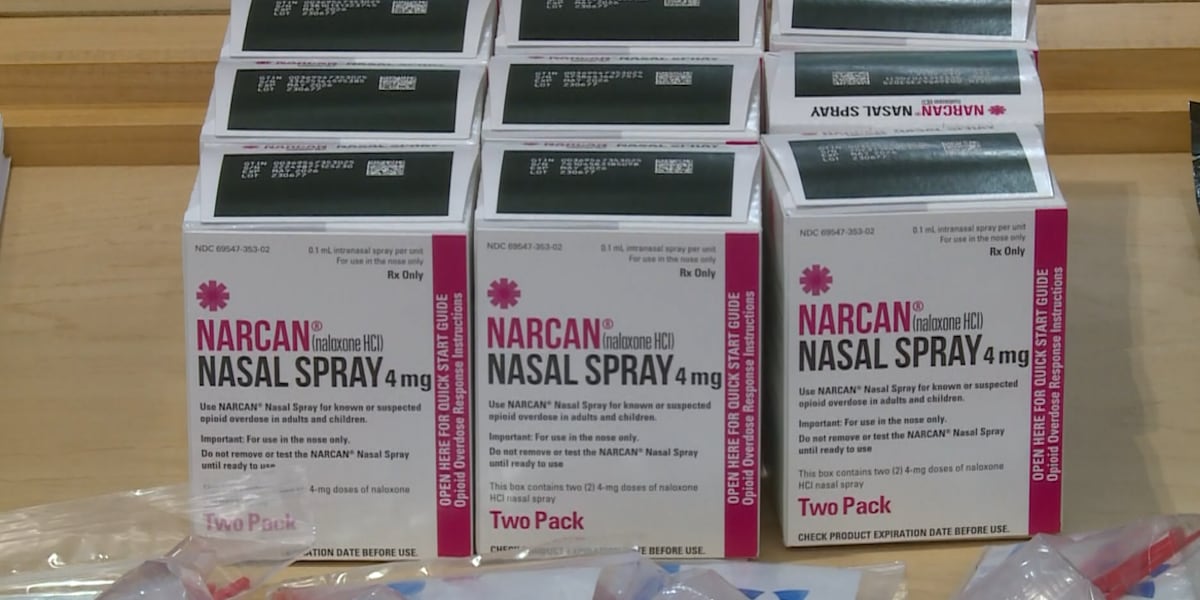
TL;DR Kansas will allow naloxone use up to ten years past its printed expiration date starting July 1, 2026. The policy aims to reduce waste and keep the overdose‑reversal drug available as opioid deaths remain high.
Context Naloxone, commonly known by the brand name Narcan, rapidly reverses opioid overdoses by blocking opioid receptors. In Kansas, the nonprofit DCCCA has been the state’s primary distributor of naloxone kits since 2020, supplying law‑enforcement, first‑responders, and community groups. Opioid‑related deaths have been a pressing public‑health concern, with the state recording a peak in overdose fatalities in recent years.
Key Facts The new legislation, House Bill 2250, amends the state’s Good Samaritan law to permit naloxone administration for up to ten years after the printed expiration date, effective July 1, 2026. DCCCA reported distributing over 50,000 naloxone kits in 2025, a supply valued at more than $1 million. In 2022, Kansas saw 739 drug‑poisoning deaths, 497 of which were opiate‑related, marking the highest annual total on record. The bill’s sponsor cited stability data from cohort studies—typically involving hundreds of kits—that show naloxone retains potency for at least a decade beyond its label date.
What It Means By allowing expired naloxone to remain in circulation, the state expects to lower replacement costs for agencies that stock the drug. DCCCA anticipates fewer requests for new kits, potentially saving organizations money while preserving lifesaving access. For the public, the change means a larger, more stable supply of naloxone in community settings, which could support quicker response to overdoses. Practical takeaways include checking local agency policies for updated storage and training guidance as the July 2026 date approaches.
Watch for implementation reports from DCCCA and state health officials in 2026 to assess any impact on opioid‑related death rates and cost savings.
Continue reading
More in this thread
Conversation
Reader notes
Loading comments...