Nearly 20 Million Sudanese Face Acute Hunger Amid Ongoing War
Nearly 19.5 million Sudanese face acute hunger amid ongoing war, with over 800,000 children at risk of severe malnutrition. Learn what to watch next.
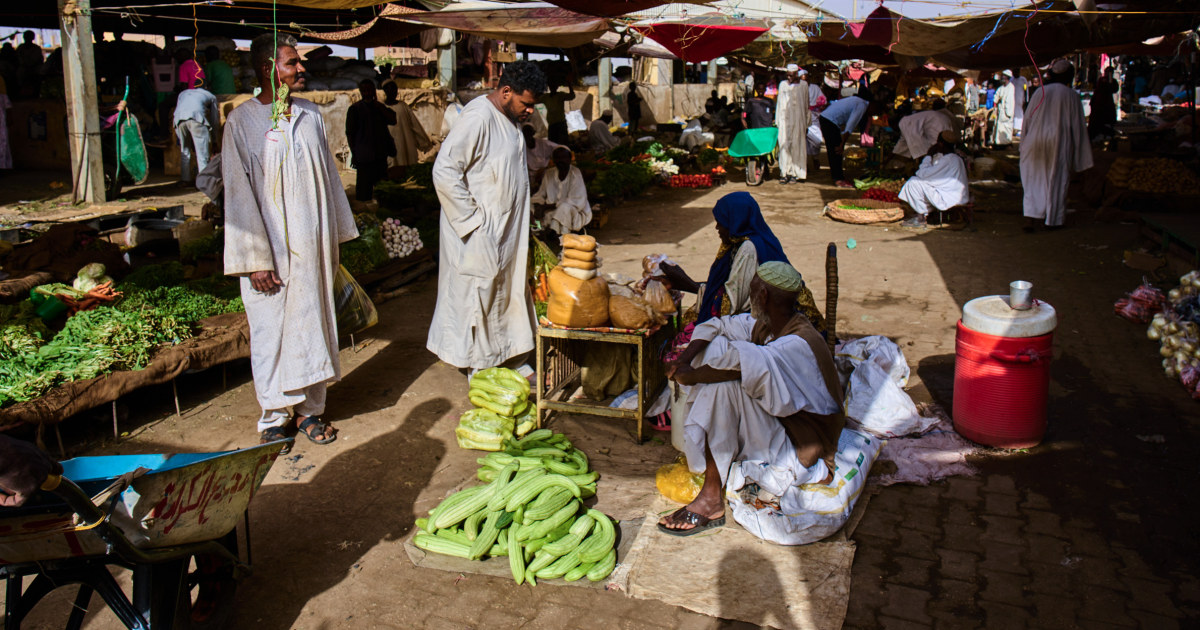
Nearly 19.5 million Sudanese face acute hunger as the civil war disrupts food supplies and health services.
About 825,000 children are projected to suffer severe acute malnutrition.
Sudan’s three‑year war between the Sudanese armed forces and the Rapid Support Forces has severed markets, blocked aid routes, and shuttered clinics. The resulting food insecurity has pushed families to extreme coping measures, including eating leaves and animal skins.
Seasonal rains, due to start in July, coincide with the lean planting period and threaten to further reduce harvest yields. Humanitarian groups warn that without safe corridors, malnutrition rates will climb.
The IPC’s latest assessment estimates that 19.5 million people—more than 40 % of Sudan’s population—are experiencing acute hunger. This figure represents a decline from the 21.2 million reported last year, though access limitations may mask the true scale.
Among the hungry, experts project that approximately 825,000 children will suffer severe acute malnutrition, a life‑threatening condition. Severe acute malnutrition markedly increases the risk of death and long‑term developmental harm.
Field reports from aid workers describe households consuming wild leaves, animal feed, and even skins from slaughtered animals to stave off starvation. These coping strategies signal that normal food sources have largely collapsed in the hardest‑hit areas.
The IPC relies on household surveys, nutrition screenings, and market analyses rather than an experimental trial, so the findings show correlation between conflict and hunger, not proven causation.
Nevertheless, the convergence of disrupted supply chains, damaged health facilities, and seasonal stresses creates a causal pathway that experts consider highly plausible.
Practical takeaways for readers include monitoring humanitarian access reports, donor funding levels, and early‑warning indicators such as market price spikes.
When these metrics deteriorate, the risk of famine rises sharply, guiding where advocacy and aid can be most effective.
Local health clinics that remain operational can treat moderate malnutrition, but severe cases require therapeutic feeding centers that are often inaccessible due to fighting.
Supporting mobile nutrition teams and repairing cold‑chain logistics could reduce child mortality.
Watch for the next IPC update and any peace‑negotiation breakthroughs that could reopen supply corridors and allow aid to reach the most affected areas.
Continue reading
More in this thread
Thrive Fest Launched to Address Youth Mental Health Crisis in Gadsden County
Dr. Priya Sharma
Thrive Fest Connects Over 200 Gadsden Students to Mental Health Services
Dr. Priya Sharma
Warren and Hawley revive bill to force CVS and rivals to divest pharmacies
Dr. Priya Sharma
Conversation
Reader notes
Loading comments...