Juventus dominate Cagliari but drop points as squad depth questions grow
Juventus had 72% possession and 22 shots at Cagliari but needed an 81st-minute equaliser from Randal Kolo Muani to salvage a 1-1 draw, raising questions about s
- Match
- Cagliari vs Juventus
- Competition
- Serie A
- Kick-off
- October 11, 2026
- Status
- FULL TIME
- Score
- 1-1
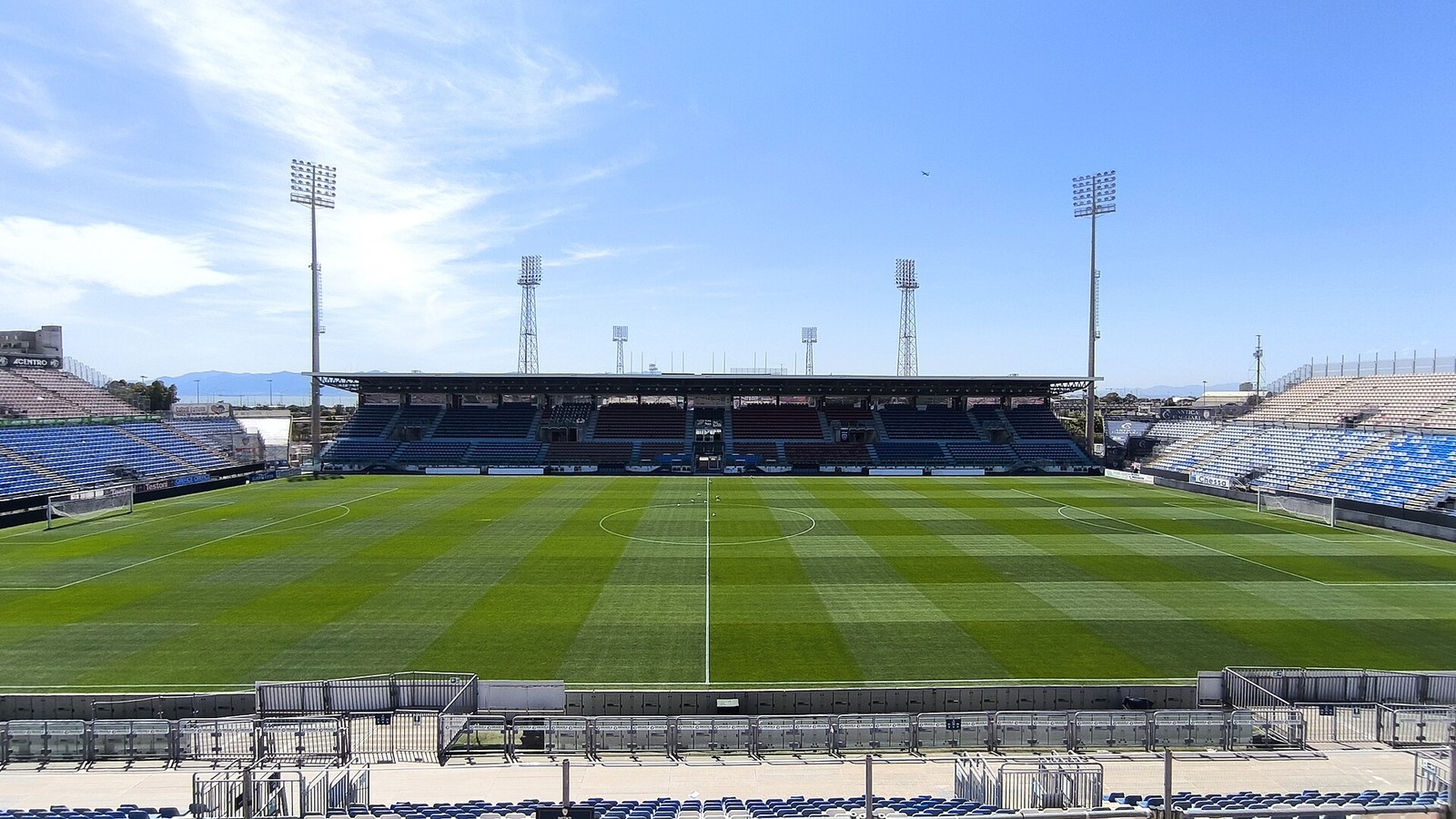
Juventus left Sardinia with a point and a familiar ache. The scoreline says 1-1. The numbers say something closer to a siege that never quite became a victory.
The match in numbers
By every measure of territory and chance creation, this was a Juventus performance that should have produced three points. They finished with 72% possession, 22 shots to Cagliari's four, ten on target to Cagliari's two, nine corners to one, and an expected goals figure of 1.92 against 0.51. They completed 781 accurate passes, against an average of 457.8 across their earlier 2026/2027 matches in all competitions, and 574 passes in the opposition half, against an average of 244.0.
Daniel Maldini, who had scored all three of Cagliari's Serie A goals before this match, put the hosts ahead in the 20th minute. Randal Kolo Muani, his first goal of the season, equalised in the 81st.
One match is not a trend, and this is a small sample, but the contrast is the story of the evening. The disagreement is worth sitting with. A side can be dominant and blunt at the same time, and that is precisely what the raw numbers and the match reports describe together.
Process versus points
This was not a cagey away display that happened to edge the shot count. It was a team camped in Cagliari's half, circulating the ball at a volume well beyond its own recent norm, and still needing a late goal from Kolo Muani — his first of the season — to avoid defeat.
Context matters here, and it cuts against the idea that this was simply a bad night. The table positions frame the result differently from the possession stats: the side with 72% of the ball was the side under pressure, and the side with 28% was the one protecting a lead it had earned.
That is a substantial list, and it runs through the spine of the team. A squad in that much flux, missing that many players, is not the same squad that would be expected to convert 22 shots into more than one goal as a matter of course.
Whether that explains the result or merely accompanies it is a question the next matches will answer.
The wider question
What the data does support is narrower and more useful: Juventus created enough to win comfortably and did not win. Cagliari's early-season position and Juventus's absences reframe the draw as a squad-depth problem rather than a one-off bad night, but the finishing gap is the more immediate concern.
A team that generates 1.92 expected goals and scores once will drop points it should not. The next fixtures will show whether this was an outlier or the shape of the season.
The result leaves Juventus with more questions than answers about whether their process can convert into results.
Sources

Editor & Founder
Peter OlaleruPeter is the founder of Measured Take and a cybersecurity professional. He covers breaches, vulnerabilities, threat intelligence, APTs, and compliance. His reporting draws on hands-on experience in the security industry to make complex threats understandable.
More from Sports


Conversation
Reader notes
Loading comments...