Jason Collins, First Openly Gay NBA Player, Dies at 47 After Brain Cancer Battle
Jason Collins, the first openly gay male athlete in a major US team sport, died at 47 after battling glioblastoma. His legacy advances LGBTQ inclusion in the NBA and beyond.
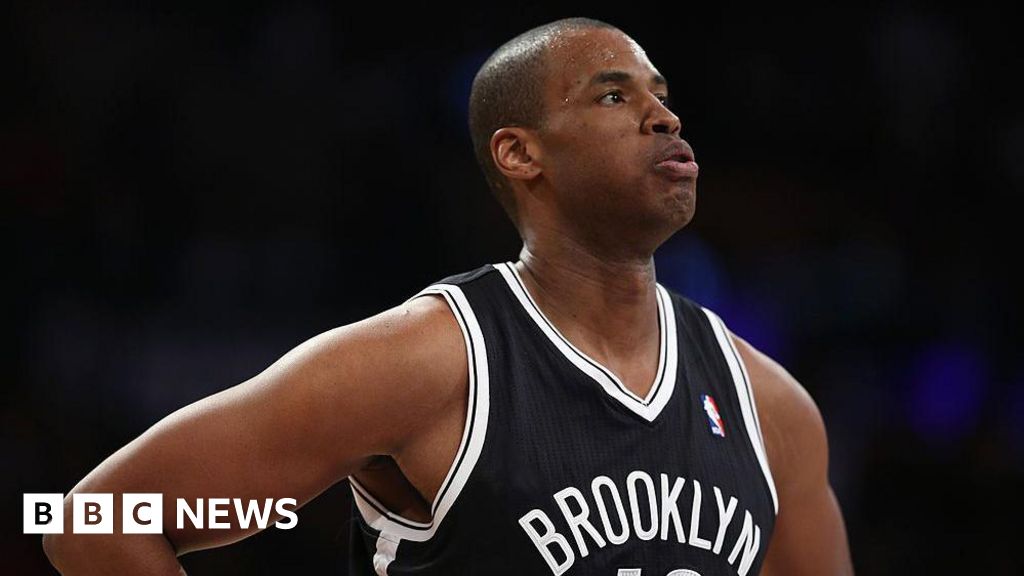
Jason Collins is seen playing for the Brooklyn Nets. He is wearing a black NBA jersey and is exhaling
TL;DR
Jason Collins, the first openly gay male athlete in a major American team sport, died at age 47 after a battle with glioblastoma. His passing ends a career that broke barriers in the NBA and helped push the league toward greater inclusivity.
Context Collins entered the NBA in 2001 after a standout career at Stanford and played 13 seasons for six franchises, including the New Jersey Nets, where he spent eight years and contributed to back‑to‑back Eastern Conference finals appearances in 2002 and 2003.
In April 2013, while a free agent, he published a Sports Illustrated cover story announcing he was gay, becoming the first active male athlete in a major US team sport to do so. At that time same-sex marriage was legal in only a handful of states; nationwide legalization would not arrive until 2015. After retiring in 2014, he remained a visible advocate for LGBTQ inclusion in sports.
Key Facts At 47, Collins lost his fight with glioblastoma, an aggressive brain tumor he likened to "a monster with tentacles spreading across the underside of my brain the width of a baseball." He revealed the diagnosis in late 2024, saying doctors warned he had only months without treatment.
NBA Commissioner Adam Silver said Collins' impact went beyond basketball, noting he helped make the NBA, WNBA and the broader sports community more inclusive and welcoming for future generations. Collins was the first openly gay male athlete to compete in any of the four major US leagues after rejoining the Nets following their move to Brooklyn.
What It Means Collins' career illustrates how a single athlete's visibility can accelerate cultural change within professional sports. His decision to come out preceded a wave of LGBTQ representation in athletics and coincided with shifting public opinion on gay rights.
The NBA's response, highlighted by Silver's statement, suggests the league will continue to reference his legacy when shaping policies on diversity and inclusion. His family's description of him as kind and thoughtful reinforces the narrative that personal character, not just athletic performance, shapes lasting influence.
What to watch next: How the NBA and WNBA honor Collins' legacy in upcoming seasons, particularly through any new initiatives or tributes aimed at fostering LGBTQ inclusion across the league and its affiliated programs.
Continue reading
More in this thread
Jason Collins, NBA’s First Openly Gay Player, Dies at 47 from Brain Cancer
Marcus Cole
Manchester United Eyes Summer Move for Real Madrid’s Federico Valverde After Concussion
Marcus Cole
Jason Collins, NBA’s First Openly Gay Player, Dies at 47 After Brain Cancer Battle
Marcus Cole
Conversation
Reader notes
Loading comments...