Jason Collins, NBA’s First Openly Gay Player, Dies at 47 from Brain Cancer
Jason Collins, the NBA’s first openly gay active player, died at 47 from stage 4 glioblastoma, leaving a lasting impact on sports inclusion.
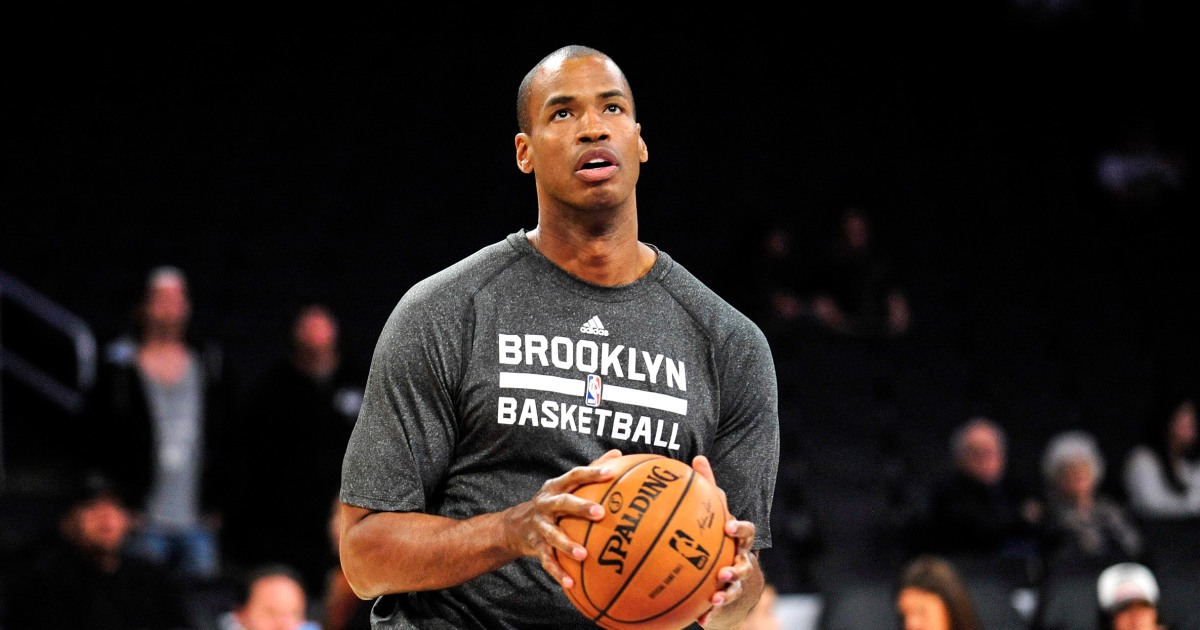
*TL;DR: Jason Collins, the NBA’s first openly gay active player, died at 47 after a diagnosis of stage 4 glioblastoma, a highly aggressive brain cancer.
Collins announced his diagnosis in December and spent the last eight months undergoing treatment. The former NBA center’s family confirmed his death on Tuesday, describing his fight as “valiant” and thanking the medical staff who cared for him.
In April 2013, Collins wrote a Sports Illustrated essay stating, “I’m a 34‑year‑old NBA center. I’m black. And I’m gay.” The piece made him the first active athlete in North America’s four major professional leagues to come out publicly. At the time, he was playing his ninth NBA season, having appeared for six teams and reached two NBA Finals with the New Jersey Nets.
Collins’ decision broke a long‑standing silence around LGBTQ+ identities in professional sports. His announcement prompted reactions from President Obama, Kobe Bryant and numerous teammates, and it paved the way for later disclosures by NFL players Michael Sam and Carl Nassib.
Beyond the court, Collins became a speaker and activist, citing his grandmother’s advice—“baby, it’s about love”—as his guiding principle. He urged others to “show up as your true self,” a message he repeated while discussing his cancer battle on ESPN.
The NBA released a statement noting Collins’ impact on “players, fans and the broader community.” His family highlighted the outpouring of love and prayers, as well as the “exceptional medical care” he received.
Collins’ legacy is measured not by rebounds or points but by the cultural shift he helped ignite. By confronting stigma in a high‑visibility arena, he gave younger athletes a clearer path to authenticity. His story underscores how personal courage can translate into institutional change.
What it means: Collins’ death reminds sports leagues of the ongoing need for inclusive policies and support systems for LGBTQ+ athletes. Watch how the NBA and other major leagues respond with new initiatives, mentorship programs, and health‑care provisions aimed at protecting both the physical and mental well‑being of their players.
Continue reading
More in this thread
Conversation
Reader notes
Loading comments...