Jason Collins, First Openly Gay NBA Player, Dies at 47
NBA pioneer Jason Collins, the first openly gay male athlete in a major U.S. team sport, died at 47 after fighting glioblastoma. His advocacy helped make leagues more inclusive.
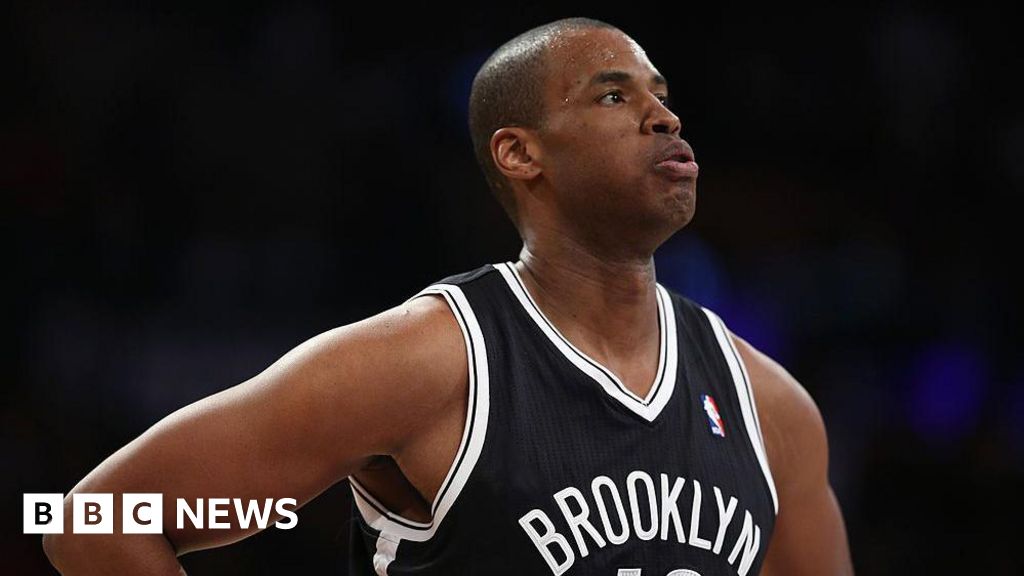
Jason Collins is seen playing for the Brooklyn Nets. He is wearing a black NBA jersey and is exhaling
TL;DR
Jason Collins, the first openly gay male athlete in a major U.S. professional team sport, died at age 47 after a battle with glioblastoma. His advocacy helped make the NBA, WNBA and broader sports community more inclusive.
Context Collins began his basketball career at Stanford University before entering the NBA in 2001. Over 13 seasons he played for six franchises, starting with the New Jersey Nets and finishing with the Brooklyn Nets, where he spent eight seasons. In 2013 he published a Sports Illustrated cover story declaring, "I'm a 34‑year‑old N.B.A. center. I'm Black and I'm gay," becoming the first active male athlete in a major American team sport to come out while still playing. He was later named to Time magazine’s 100 most influential people list. In December 2024 he revealed a glioblastoma diagnosis, describing the tumor as a monster with tentacles spreading across the underside of his brain. Doctors warned that without treatment he would live only three months; he pursued Avastin therapy and targeted chemotherapy in Singapore before his death.
Key Facts - Collins died at 47, more than three decades below the average U.S. male life expectancy of roughly 79 years. - He was the first openly gay male athlete in a major American professional team sport. - NBA Commissioner Adam Silver said Collins' impact went beyond basketball, making the NBA, WNBA and sports community more inclusive. - Collins stated that life improves when you live authentically as your true self, both publicly and privately. - His family described his fight with cancer as valiant and noted his kindness touched many both on and off the court.
What It Means Collins' visibility accelerated LGBTQ+ acceptance in professional sports, prompting leagues to adopt inclusive locker‑room policies, pride‑night events, and partnership with advocacy groups such as Athlete Ally. His death brings renewed attention to glioblastoma, a cancer with a five‑year survival rate under 10 % despite treatments that can delay progression. Observers will watch how the NBA commemorates his legacy through upcoming pride nights, potential scholarship funds for LGBTQ+ youth, and any updates to league‑wide health‑screening programs for athletes. Additionally, his story may influence collective‑bargaining discussions on player wellness and mental‑health support.
Continue reading
More in this thread
Jason Collins, First Openly Gay NBA Player, Dies at 47 After Brain Cancer Battle
Marcus Cole
Morocco’s Atlas Lions Partner with Google Gemini for AI‑Powered Fan Engagement
Marcus Cole
Gilgeous‑Alexander and Brunson Lead Odds for 2025‑26 Conference Finals MVPs
Marcus Cole
Conversation
Reader notes
Loading comments...