Japan Airlines to Pilot Humanoid Baggage Handlers at Haneda from May 2026
JAL launches a two‑year trial of AI‑powered humanoid robots as baggage handlers at Haneda Airport, starting May 2026.
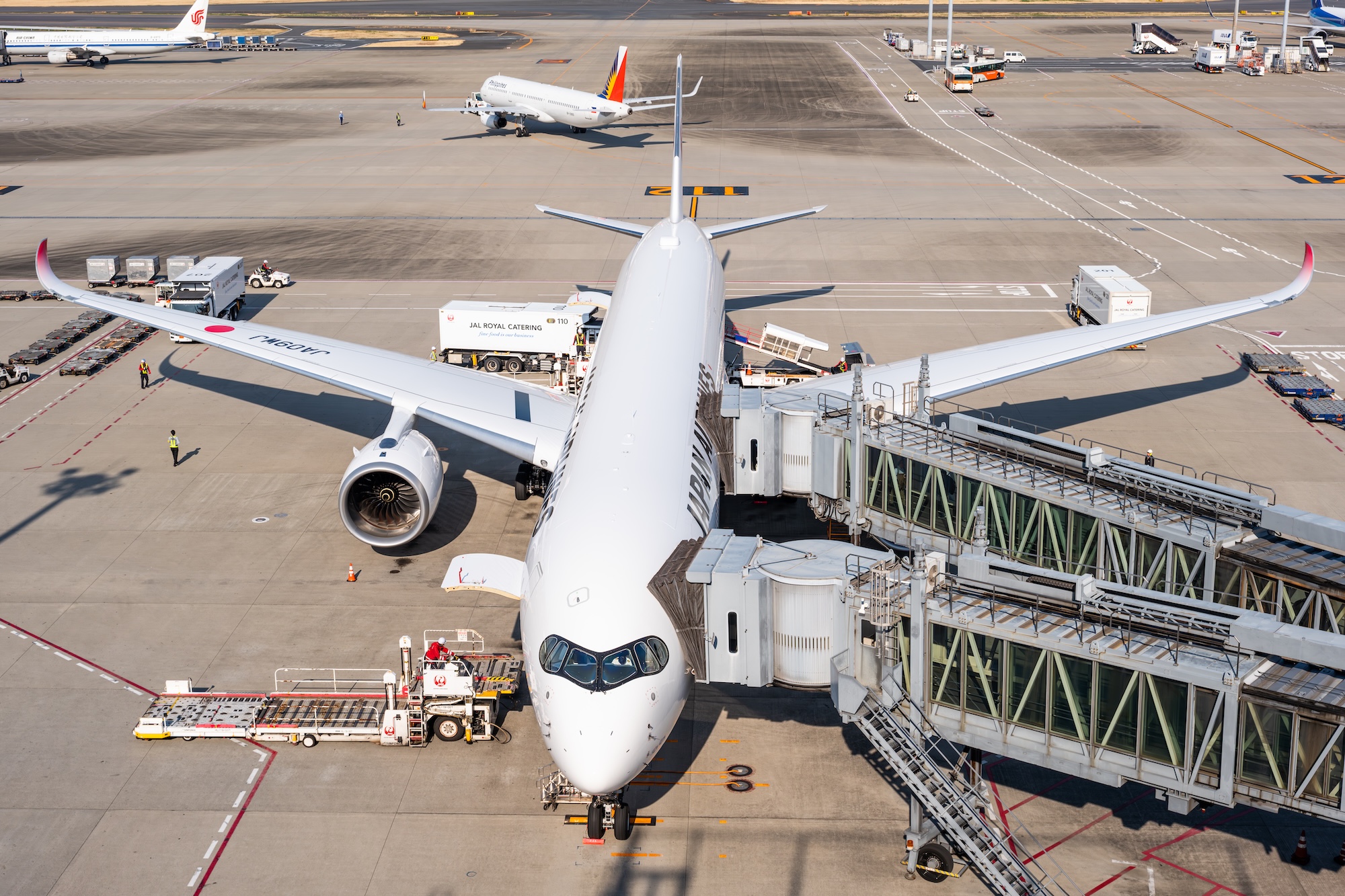
*TL;DR Japan Airlines will begin a two‑year trial of humanoid robots handling baggage at Tokyo’s Haneda Airport in May 2026.
Context Passenger traffic at Haneda has risen sharply, exposing a shortage of ground‑crew staff. While industrial robots already move pallets and assemble cars, they require fixed stations and repeatable tasks. Humanoid robots—machines built with a torso, arms and legs—promise to work alongside humans in less structured settings such as airport terminals.
Key Facts - JAL Ground Service, the airline’s ground‑operations arm, will launch the demonstration in May 2026. - The trial will run until the end of 2028, giving the robots up to two years of real‑world exposure. - GMO AI & Robotics Corporation, a specialist in artificial‑intelligence‑driven robotics, will manage the program on JAL’s behalf. - Initial duties include loading and unloading baggage carts; later phases may test cabin cleaning and handling of other ground‑support equipment.
What It Means If the robots can adapt to the unpredictable flow of luggage, trolleys and passengers, airlines could reduce reliance on human labor for routine ground tasks. Successful deployment would also demonstrate that recent advances in AI—particularly models that enable perception and decision‑making—are sufficient for open‑environment work. Conversely, the trial will reveal whether current hardware can survive the physical demands of airport operations, such as uneven surfaces and tight schedules.
The experiment follows earlier robot pilots in factories and warehouses, where fixed‑axis arms dominate. Humanoid platforms must navigate stairs, avoid obstacles and respond to sudden changes, a far more complex challenge. JAL’s partnership with GMO AI signals confidence that the latest software can bridge that gap.
Travelers at Haneda may start seeing the robots on the tarmac as early as summer 2026. Their performance will inform whether other airports adopt similar technology to offset labor shortages and improve turnaround times.
What to watch next Monitor JAL’s mid‑trial reports for data on handling speed, error rates and passenger reactions, and watch for any expansion of robot duties beyond baggage handling.
Continue reading
More in this thread
Disneyland Introduces Facial Recognition at Select Entrances
Alex Mercer
AI and Gendered Storytelling Meet in Barcelona This November
Alex Mercer
IX International AI and Gender Storytelling Conference Sets Hybrid Format and June 2026 Abstract Deadline
Alex Mercer
Conversation
Reader notes
Loading comments...