Iraq's Shia Bloc Faces Sunday Deadline to Name Prime Minister Amid Internal Split
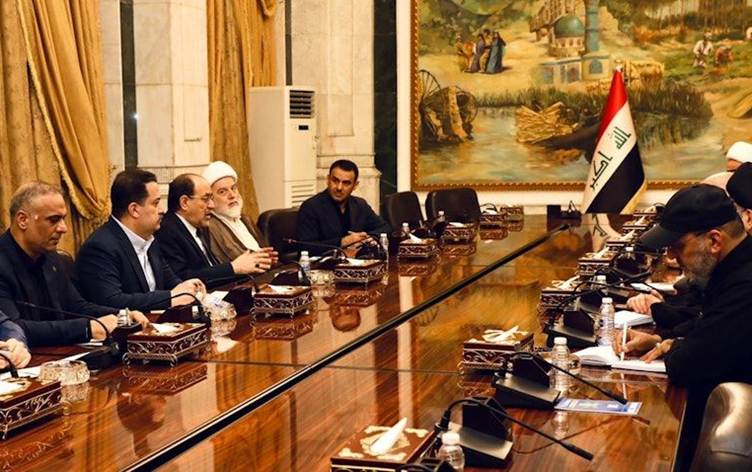
Iraq’s largest Shia bloc must pick a prime minister by Sunday or risk prolonging a five‑month stalemate. The Coordination Framework is split over two candidates and a quorum dispute.
TL;DR
Iraq’s largest Shia bloc must name a prime minister by Sunday or risk extending a political stalemate that has lasted over five months. The Coordination Framework, which holds 185 of 329 parliamentary seats, is split over two candidates.
Context Iraq’s parliament elected Kurdish politician Nizar Amedi as president on April 11. Under the constitution, the president must task the largest bloc’s nominee to form a government within 15 days, setting a Sunday deadline for the Shia‑led Coordination Framework. The bloc has been unable to agree on a nominee since the October elections, delaying government formation and keeping caretaker Prime Minister Mohammed Shia al‑Sudani in office. In January the bloc nominated two‑time premier Nouri al‑Maliki, a move that drew a public warning from former US President Donald Trump to cut support if he returned. Recent visits by Iran’s Quds Force chief Ismail Qaani and US envoy Tom Barrack have added external pressure, though both sides deny the visits directly influence the nominee choice.
Key Facts - The Coordination Framework controls 185 seats in the 329‑member parliament, giving it the constitutional right to propose the premier. - President Nizar Amedi’s election triggers the 15‑day window, meaning a decision is required by the coming Sunday. - Hider al‑Mola of the State of Law Coalition said Bassem al‑Badry enjoys more support than Ihsan al‑Awadi, calling him the frontrunner for the post. - Internal disagreements center on the Hikma Movement and Asa’ib Ahl al‑Haq, and a dispute over whether a two‑thirds quorum should count bloc leaders or all parliamentarians has stalled meetings. - Al‑Badry’s backers say they lack the needed quorum, while al‑Awadi’s supporters argue the same, leaving neither candidate with enough confirmed votes to secure parliamentary confidence.
What It Means The impasse leaves Iraq without a full government, affecting budget approvals, reconstruction projects, and foreign aid negotiations. Continued delay could deepen public frustration and give external actors more room to influence Iraqi politics. If the bloc fails to meet the Sunday deadline, constitutional mechanisms may allow the president to turn to the next largest bloc, though that would shift the sectarian balance of power. Watch for whether the Coordination Framework resolves its quorum dispute and presents a nominee by Sunday, and how the United States and Iran respond to the eventual choice.
Continue reading
More in this thread
Passaic’s Arthur G. Soto leads North Jersey spring school board voting as 15 districts hold April elections
Nadia Okafor
China‑Iran Trade Grows to $13.37 Billion Amid 2026 Middle East War
Nadia Okafor
Fact Check: Ukraine’s Russian Oil Restart and the EU’s €90 Billion Loan
Nadia Okafor
Conversation
Reader notes
Loading comments...