Iran Loses $435 Million Daily as Hormuz Blockade Continues
Iran's trade losses hit $435 million daily as the US naval blockade enters its 39th day, pushing public finance losses to about $17 billion while diplomatic talks stall.
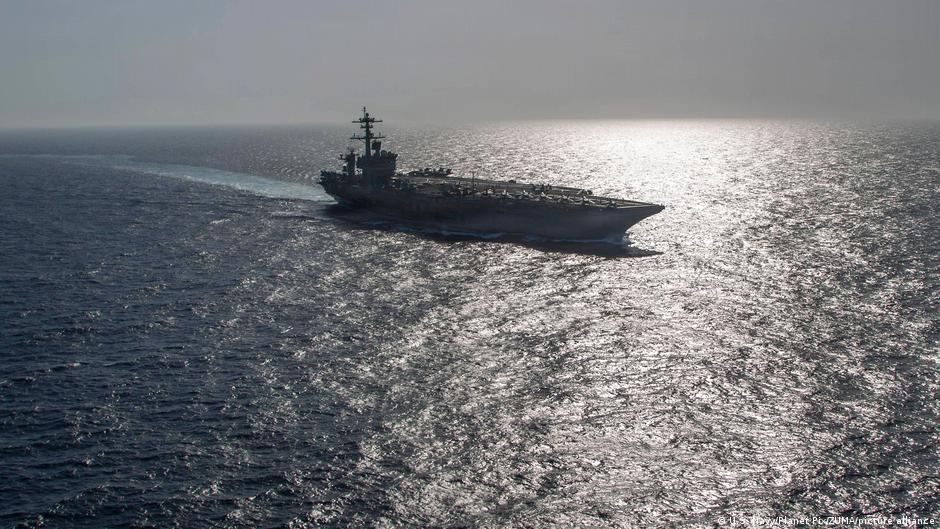
The US Navy aircraft carrier USS Abraham Lincoln in the Arabian Sea, near the Strait of Hormuz, off Iran, on May 8, 2026
TL;DR: Iran is losing about $435 million each day due to the US naval blockade of the Strait of Hormuz, with most of the hit coming from crude oil sales. After 39 days, the country's public finances have slipped roughly $17 billion.
The United States has turned back vessels carrying Iranian oil, while Iran charges ships up to $2 million for safe passage through the strait. These opposing measures have stalled traffic without delivering a clear advantage to either side.
Talks mediated by Pakistan and a proposed one‑page memorandum have repeatedly broken down, leaving the standoff in its fourth month. Gulf states, worried about inflation and energy costs, urge Washington to avoid further strikes and give diplomacy more time.
Some Iranian vessels continue to slip through the blockade, while several Asian shipping firms have agreed to pay the $2 million tolls, even though such fees contravene international maritime law. This informal workaround keeps a trickle of oil moving but adds costs for both shippers and Tehran.
Iran's trade losses stand at roughly $435 million per day, with about two‑thirds of that amount stemming from crude oil exports.
After 39 days of the blockade, the cumulative hit to Iran's public finances reaches an estimated $17 billion.
Dania Thafer of the Gulf International Forum notes that Tehran reads US military threats as evidence that Washington lacks the will to escalate the conflict.
The daily drain cuts into government revenue, limiting funds for subsidies and public services. Over time, the pressure could affect ordinary Iranians through higher prices and reduced imports.
For the United States, the blockade sustains leverage without triggering a broader war, but prolonged economic strain raises the risk of miscalculation or retaliatory moves by Iran.
Gulf states watch closely, as any disruption to oil flows influences their own budgets and the timeline for diversification away from fossil fuels.
Tehran's leadership frames the standoff as part of a broader push to reshape regional security arrangements, aiming to reduce the U.S. military presence in the Gulf. Analysts note that success would require sustained economic resilience, which the current blockade tests.
Observers will monitor whether upcoming negotiations yield a concrete timetable for reopening the strait or if either side escalates military posturing.
Continue reading
More in this thread
Conversation
Reader notes
Loading comments...