Iran Declines Talks After US Seizure of Cargo Ship, Trump Sends Team to Islamabad
Tehran rejected new negotiations after a US seizure of its cargo ship, despite President Trump sending a team for talks in Islamabad on April 20, 2026.
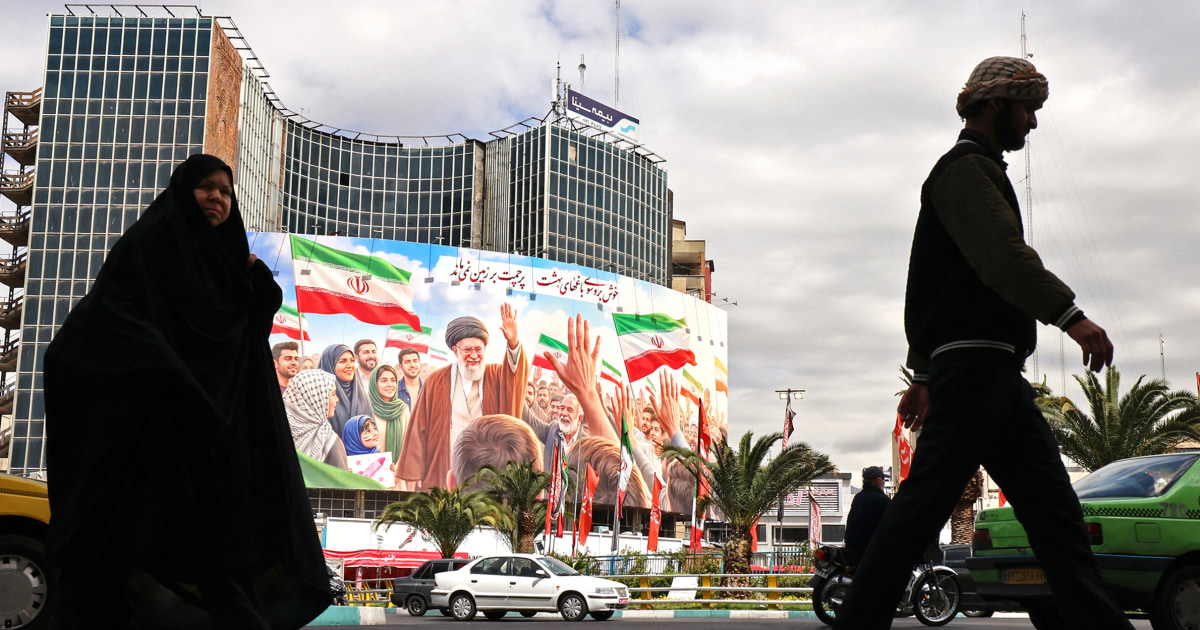
**TL;DR** Iran declined further diplomatic engagement today following the United States' seizure of an Iranian-flagged cargo vessel. This refusal came even as President Donald Trump dispatched a team to Islamabad for potential talks with Tehran, marking a significant escalation in regional tensions.
**Context** Tensions in the Middle East surged today, April 20, 2026, after the United States seized an Iranian-flagged cargo ship. The incident occurred in the Strait of Hormuz, a narrow passage vital for global energy markets, through which approximately one-fifth of the world's oil supply transits daily. This maritime action immediately heightened international concerns about stability in the Persian Gulf region.
For years, relations between Washington and Tehran have remained strained. Recent developments have included renewed sanctions and proxy conflicts across the Middle East. The US seizure of the cargo ship adds a direct, tangible point of conflict to this existing backdrop of diplomatic friction and strategic competition.
**Key Facts** Iran’s Foreign Ministry spokesperson swiftly responded to the maritime incident, stating that the government has no plans for new negotiations with the United States. This declaration emphasized Tehran's firm stance against engaging in dialogue under perceived duress. The spokesperson's statement underscores Iran's position that such actions by the US hinder diplomatic progress.
This explicit refusal for talks emerged just hours after US President Donald Trump announced a separate diplomatic initiative. President Trump stated he is sending a high-level team to Islamabad, the capital of Pakistan, for the express purpose of exploring possible talks with Iran. The timing of these two announcements highlights a significant disconnect in diplomatic approaches.
The US action against the Iranian vessel and Tehran's immediate rejection of further talks present a direct diplomatic challenge. These opposing moves unfold against a backdrop of long-standing disagreements and recent escalations. The Strait of Hormuz has repeatedly served as a flashpoint for international incidents, underscoring its strategic importance in regional geopolitics.
**What It Means** The current situation reveals a clear divergence in diplomatic strategies from both Washington and Tehran. Tehran's outright rejection of talks, juxtaposed with Washington's attempt to open a new channel, signals a deepening chasm between the two nations. This dynamic indicates that direct negotiations face considerable obstacles following the maritime seizure.
The global community will closely monitor reactions from other regional powers and international bodies. How this diplomatic gap evolves, and what further actions both the United States and Iran undertake in the Persian Gulf, will be critical next points to observe.
Conversation
Reader notes
Loading comments...