Myanmar’s Pad Ban Sends Prices Soaring as Over 3.5 Million Remain Displaced
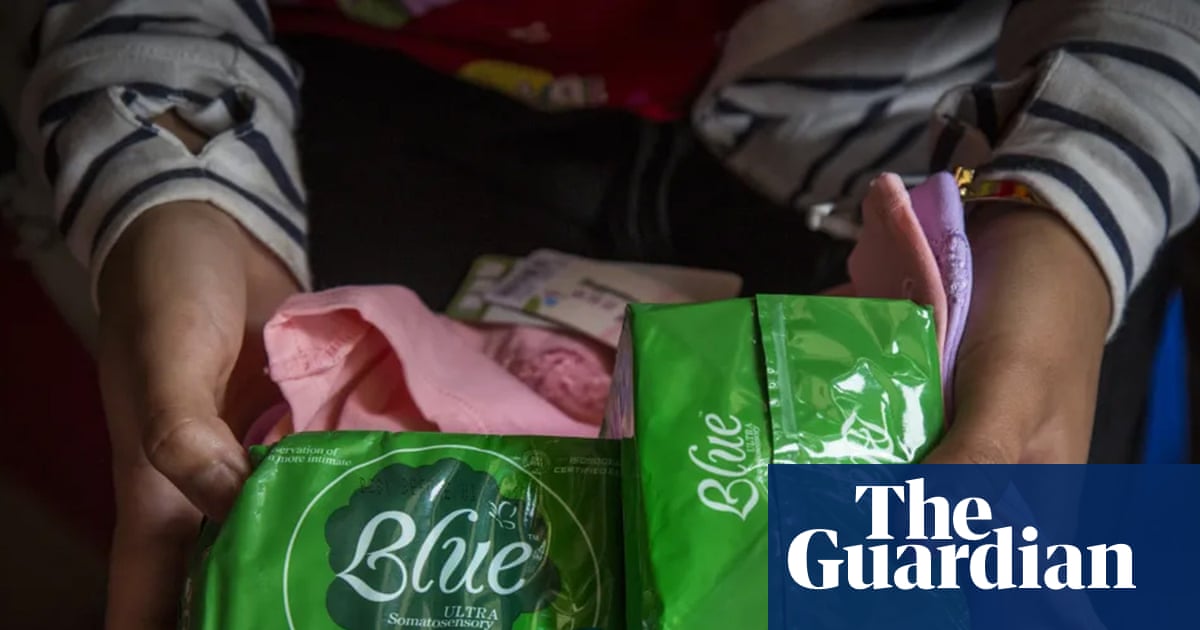
Myanmar's military regime restricts menstrual pad access, causing prices to rise from 3,000 to 9,000 kyat. Over 3.5 million displaced people face severe hygiene challenges.
TL;DR
Myanmar’s military regime is restricting access to menstrual pads, leading to significant price hikes and exacerbating challenges for over 3.5 million displaced individuals across the nation. This measure raises concerns about public health and the conditions in conflict-affected regions.
Context Myanmar has been in a civil war since 2021, following a military coup that overthrew the democratic government. The conflict has seen widespread violence, including artillery fire and arbitrary arrests, as the military seeks to suppress dissent. Amidst this instability, the regime implements a strategy known as "four cuts," aiming to deprive insurgent forces of basic supplies.
Key Facts As part of these restrictions, transporting menstrual pads across the Sagaing-Mandalay bridge is now completely prohibited. The military regime claims these products are diverted for medical use by resistance fighters, an assertion disputed by medical aid experts who state sanitary pads are ineffective for treating combat wounds. This ban has immediate economic impacts. The price of a pack of menstrual pads has tripled from 3,000 kyat (approximately £1), the local currency, to 9,000 kyat. This significant increase occurs in a country where the minimum daily wage is 7,800 kyat. Over 3.5 million people have been displaced into temporary camps since 2021, relying on limited resources and facing extreme vulnerability.
What It Means The ban on menstrual products directly impacts women's health and dignity, creating an environment where basic hygiene is compromised for millions. Displaced women, already living in temporary camps, often resort to unsafe alternatives like rags, leaves, or newspaper. These practices significantly increase the risk of urinary tract infections (UTIs) and reproductive tract infections, with medical attention often inaccessible due to a collapsed health system. This situation goes beyond supply chain issues; it potentially restricts women’s movement and participation in daily life, aligning with tactics that target civilians and control populations. The unfolding situation highlights the broader human rights implications of restricting essential commodities during conflict. The long-term effects on public health and social equity in Myanmar warrant continued observation.
Continue reading
More in this thread
Virginians Approve Redistricting Referendum, But Legal Challenges Loom
Nadia Okafor
Lynchburg Faces Potential Shift to 6th District as Voters Decide on Controversial Redistricting Referendum
Nadia Okafor
El Salvador Launches Mass Trial of 486 Alleged MS-13 Members Amid Claims of Over 47,000 Crimes
Nadia Okafor
Conversation
Reader notes
Loading comments...