Iran Briefly Fires Air Defences as Oil Prices Surge and US War‑Power Deadline Looms
Iran's brief air‑defence activation coincides with Brent hitting $126 a barrel as the US faces a congressional deadline on war powers.
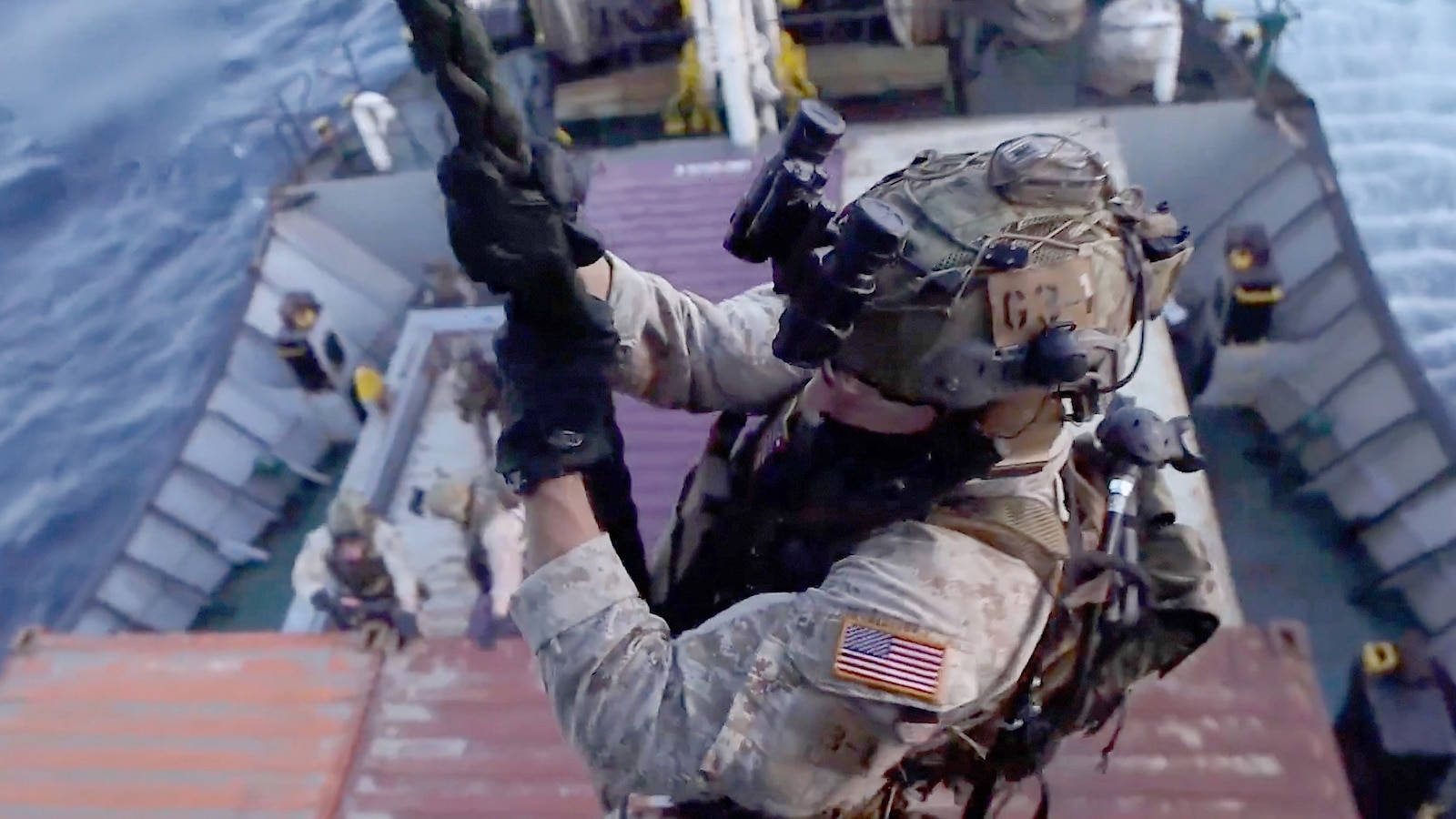
*TL;DR – Iran activated air‑defence systems for about 20 minutes to intercept small aircraft and drones over Tehran; Brent crude rose over 7% to $126 per barrel as the US faces a congressional deadline on war powers.*
Context The White House signalled it will not wait for congressional approval to continue military actions against Iran, reviving a clash over the War Powers Resolution that limits presidential war‑making. At the same time, global oil markets reacted to heightened tension, pushing the benchmark Brent crude to a four‑year high.
Key Facts - Iranian air‑defence units sounded across parts of the capital late Thursday, targeting “small aircraft and reconnaissance drones.” The systems operated for roughly 20 minutes before the situation returned to normal, according to state news agencies Tasnim and Fars. - Brent crude surged more than 7%, reaching $126 per barrel, the highest level since 2022. The spike reflected fears of disrupted shipping through the Strait of Hormuz, a narrow waterway that handles about a fifth of global oil trade. - Supreme Leader Ayatollah Ali Khamenei declared the United States “defeated” after two months of what he called “aggression,” and announced that Iran now controls shipping in the Persian Gulf and the Strait of Hormuz. - The Trump administration argues that the 60‑day clock for seeking congressional authorisation was paused by a cease‑fire announced on April 7, and therefore hostilities have technically ended for War Powers purposes. - US Central Command has redirected 44 commercial vessels to breach its own blockade of Iranian ports, while Washington seeks an international coalition to ensure safe passage through Hormuz.
What It Means The brief activation of Tehran’s air‑defence network signals heightened alertness but not a sustained escalation. The rapid return to “normal” suggests the incursion was limited in scope, possibly a test of readiness or a response to perceived surveillance.
Oil’s jump to $126 per barrel underscores market sensitivity to any hint of a shipping choke point. If Iran maintains de‑facto control of the strait, insurers and shippers may demand higher premiums, feeding further price pressure.
Congressional inaction could grant the president broader leeway to extend military pressure, including the naval blockade that Washington has already used to divert 44 merchant ships. Iran’s rhetoric about a “new chapter” in the Gulf raises the risk of miscalculation, especially as Israeli officials warn of possible renewed strikes.
Looking ahead, watch for any formal declaration of hostilities by either side, movements of commercial vessels through the Strait of Hormuz, and the outcome of the congressional vote on war powers that could reshape US engagement in the region.
Continue reading
More in this thread
China and Belgium Pledge Deeper Ties on 55th Anniversary of Diplomatic Relations
Nadia Okafor
IGP Disu Ends Police Impunity, Orders Dismissal for Firearm Misuse as 1,068 Constables Graduate
Nadia Okafor
Hampton Vale Voters Swing Parties Over Cleanliness, Safety
Nadia Okafor
Conversation
Reader notes
Loading comments...