iOS 27 Lets Users Choose Siri’s AI Engine, Google Gemini Becomes Default
iOS 27 opens Siri to any AI model, with Google Gemini as the default and a $1 billion licensing deal. Find out what this means for users and developers.
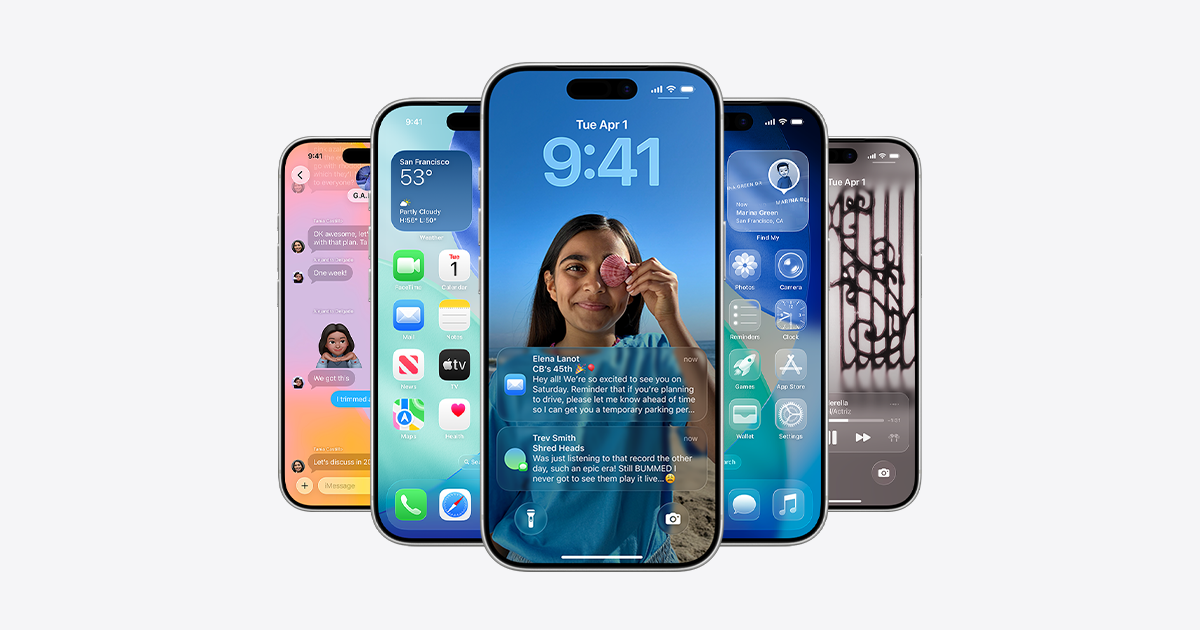
*TL;DR Apple’s iOS 27 opens Siri to any AI model, but Google’s Gemini will ship as the default, backed by a $1 billion agreement.*
Context Apple has long struggled to make Siri competitive with newer chat‑based assistants. The upcoming iOS 27 release aims to overhaul the experience by allowing users to pick the underlying AI model for Siri and other Apple Intelligence tools. This shift follows years of missed AI milestones and a reshuffle of Apple’s AI leadership.
Key Facts - iOS 27 will let iPhone users select any third‑party AI model as the default for Siri and related features such as Writing Tools and Image Playground. - Google’s Gemini model is set as the default AI engine for these Apple Intelligence services. - Apple has agreed to pay $1 billion to license Gemini as the primary model powering Siri. - The new “Extensions” framework will let developers package alternative models—such as Anthropic’s Claude—so users can install and activate them within the iOS ecosystem. - Apple will retain a revenue share from any subscription purchased through the App Store for third‑party AI services.
What It Means By decoupling Siri from a single, in‑house model, Apple gives users the flexibility to choose the assistant that best fits their needs. The default partnership with Google positions Gemini as the baseline for Apple’s AI push, while the $1 billion fee underscores the strategic value Apple places on a proven large‑scale model. Third‑party extensions create a marketplace where models compete for iOS users, potentially driving innovation and price competition.
OpenAI, previously the sole external model integrated with Apple Intelligence, will now sit alongside a broader field of competitors. Its loss of exclusivity could dilute its influence on the iOS platform, though it remains available through the extension system.
For developers, the Extensions API opens a new revenue channel: each subscription sold via the App Store will generate a cut for Apple, incentivising the company to support a thriving AI ecosystem.
Looking ahead, watch how quickly third‑party AI providers roll out iOS extensions and whether Apple adjusts its revenue share model as competition intensifies.
Continue reading
More in this thread
Conversation
Reader notes
Loading comments...