Apple’s iOS 27 Lets Users Pick Any AI Model, Pays $1 B for Gemini Default
iOS 27 lets iPhone users select any AI model, with Google Gemini as the default after Apple pays $1 billion. OpenAI loses exclusivity.
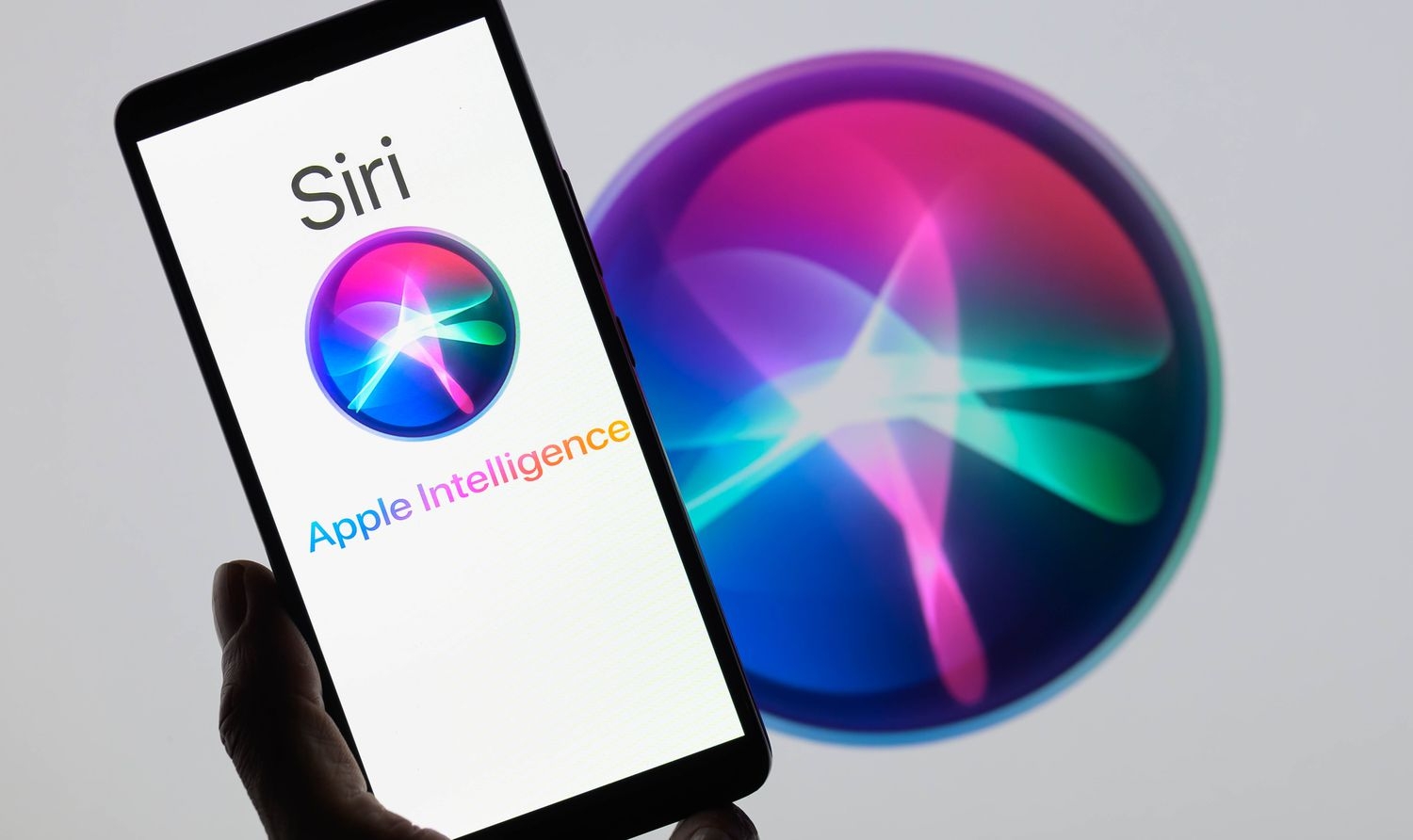
Apple is preparing new tools to enable AI companies to integrate their chatbots directly into Siri, enabling users to select multiple chatbots for answers.
TL;DR
iOS 27 gives iPhone users the freedom to select any AI model for Siri and other features, while Apple pays $1 billion to make Google’s Gemini the default.
Context Apple has long struggled to make Siri competitive with newer chat‑based assistants. The upcoming iOS 27 release aims to overhaul the experience by decoupling the assistant’s brain from the Apple brand. Users will be able to install and set any compatible AI model as the default for Apple Intelligence, the suite that powers writing tools, image generation and voice interaction.
Key Facts - Apple has agreed to a $1 billion payment to Google, securing Gemini as the default model for Siri and other Apple Intelligence features. - iOS 27 introduces a selectable‑model system, allowing users to replace the default with alternatives such as Anthropic’s Claude or any future model that supports Apple’s Extension framework. - OpenAI, previously the sole third‑party AI partner, will lose its exclusive status but will remain available through Extensions, making it one option among many rather than the default. - Apple will collect a fee on subscriptions purchased via the App Store for any third‑party model used within its ecosystem.
What It Means The move shifts Apple from a single‑partner strategy to an open marketplace for AI. By paying $1 billion for Gemini, Apple ensures a high‑quality baseline while giving users the power to tailor their experience. The Extension system creates a plug‑and‑play environment: developers can package their models as apps, and users can switch them on demand. This could accelerate competition among AI providers, as each will vie for the default slot that drives the most App Store revenue.
OpenAI’s loss of exclusivity reduces its leverage within iOS, but its continued presence via Extensions means it can still capture a share of the market if users prefer its output. For Apple, the strategy mitigates the risk of being locked into a single vendor and aligns with its broader approach of curating services while monetising through the App Store.
The real test will be how smoothly Apple integrates third‑party models and whether performance parity is maintained across the board. Users will likely evaluate speed, accuracy and cost when choosing a default, and Apple’s fee structure could influence pricing decisions by AI firms.
Looking ahead, watch the rollout of iOS 27’s Extension marketplace and the early adoption patterns of alternative models. The balance of power among AI providers could shift quickly as developers and consumers respond to the new choice architecture.
Continue reading
More in this thread
Conversation
Reader notes
Loading comments...