Inquest Finds British Soldiers Used Unreasonable Force in 1972 Springhill Killings
An inquest judge finds British troops breached lethal‑force rules, killing five civilians in Belfast in 1972, bringing closure to families after 54 years.
TL;DR
An inquest judge concluded that British soldiers lost control and used unreasonable force, killing five civilians in Belfast on 9 July 1972.
Context The Springhill and Westrock shootings occurred during the most violent year of the Northern Ireland conflict, six months after the Bloody Sunday massacre. Two soldiers, identified only as A and E, opened fire on a group of civilians near a timber yard, claiming they responded to a perceived threat.
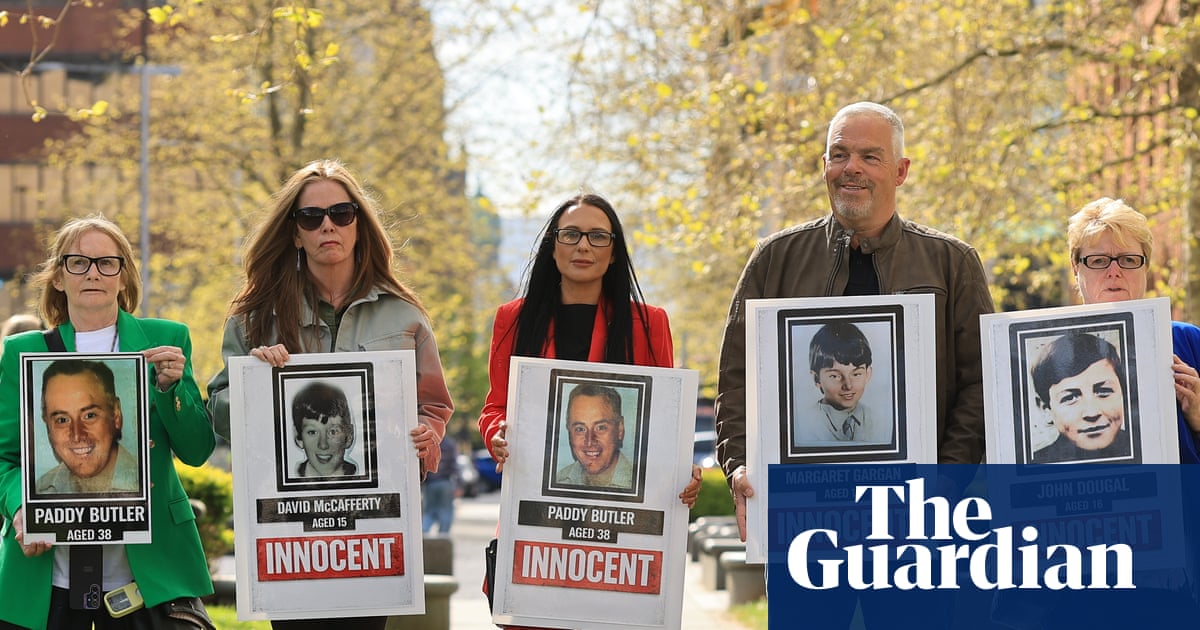
Key Facts - The coroner, Mr Justice Scoffield, found that all fatal shots breached the army’s “yellow card” rules, which set limits on lethal force. - Four of the five victims—13‑year‑old Margaret Gargan, 37‑year‑old refuse worker Patrick Butler, Father Noel Fitzpatrick (42), and 15‑year‑old David McCafferty—were unarmed. The status of the fifth victim, 16‑year‑old John Dougal, remained unclear, but the judge said he was likely fleeing and should not have been shot. - Father Fitzpatrick and Mr Butler were hit by the same bullet while crossing a road. Gargan was shot in the head while talking with friends. McCafferty was shot in the back while trying to retrieve the priest’s body; he was a member of the IRA youth wing but was unarmed. - Soldier A fired from less than 100 metres without assessing any risk, while Soldier E shot Gargan. Radio logs contradicted the soldiers’ claim of a coordinated attack on the timber yard. - Betty Kennedy, sister of David McCafferty, said the verdict finally gave “long‑awaited clarity and justice” to her family. Natasha Butler, daughter of Patrick Butler, praised the inquest for delivering a detailed narrative that the legacy commission cannot match. - Sinn Féin MP Paul Maskey called the finding a confirmation of the community’s belief that the victims posed no threat and highlighted the army’s historic impunity.
What It Means The ruling marks the last inquest completed before the 2024 “legacy court” deadline that aimed to close historic cases. While the Labour government plans to amend the legislation, it intends to retain an independent commission for reconciliation and information recovery. The verdict may pressure the commission to provide more granular findings, as families have shown they value the depth of inquest reports. Future scrutiny will focus on how the revised framework balances finality with the demand for truth in unresolved legacy cases.
Continue reading
More in this thread
US loses up to $2.8 billion in aerial assets after Iran’s strike on Saudi base
Nadia Okafor
Israel Intercepts 22 of 58 Gaza Aid Boats, Detains Over 200 Activists
Nadia Okafor
House Passes DHS Funding Bill Excluding Border Patrol and ICE, Paving Way to End Shutdown
Nadia Okafor
Conversation
Reader notes
Loading comments...